


What Are Cavities?
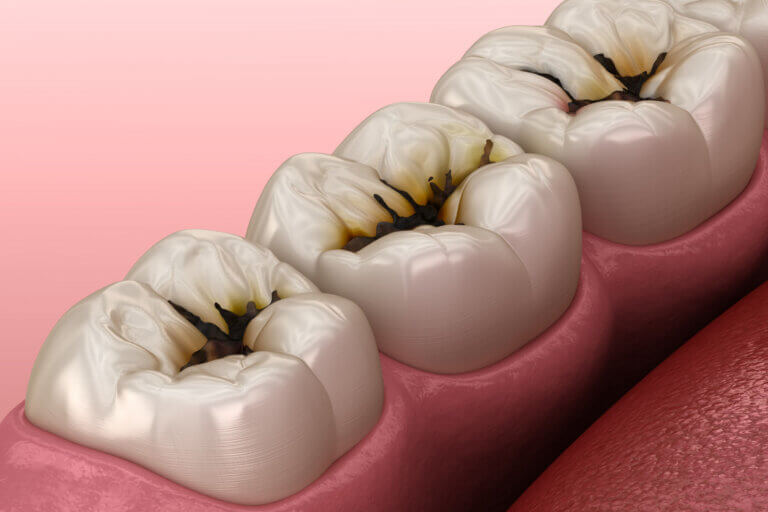
Cavities, also known as dental caries or tooth decay, are one of the most common dental problems affecting people of all ages. A cavity is a permanently damaged area in the hard surface of your tooth that develops into tiny holes or openings. Cavities form when plaque bacteria produce acid that erodes the tooth enamel over time.
If left untreated, cavities can lead to toothaches, infections, and even tooth loss. Fortunately, they are largely preventable with proper oral hygiene and regular dental care.
What Causes Cavities?
Cavities develop through a process that involves multiple factors, including bacteria, diet, and oral hygiene habits. Here’s how they form:
- Plaque formation: After eating or drinking sugary or starchy foods, bacteria in the mouth produce acids. These acids, along with food particles and saliva, form a sticky film called plaque on the teeth.
- Acid attacks: The acids in plaque dissolve the enamel—the outer protective layer of the tooth.
- Decay progression: Over time, the enamel wears away, and decay can reach deeper layers of the tooth, including the dentin and eventually the pulp, causing pain and possible infection.
What Are the Risk Factors for Cavities?
Anyone with teeth can get cavities, but certain factors increase the risk:
- Poor oral hygiene (not brushing or flossing regularly)
- High-sugar or acidic diet
- Dry mouth (reduced saliva flow)
- Frequent snacking or sipping sugary drinks
- Worn dental fillings or dental devices
- Acid reflux or eating disorders (can expose teeth to stomach acid)
- Lack of fluoride in water or toothpaste
- Younger children and older adults may be more vulnerable
What Are the Symptoms of Cavities?
Cavity symptoms can vary depending on their size and location. In the early stages, there may be no symptoms at all. As the decay progresses, you may experience:
- Toothache or pain, especially when eating or drinking
- Tooth sensitivity to hot, cold, or sweet items
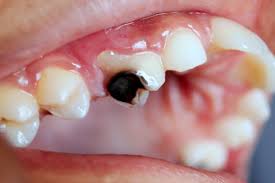
- Visible holes or pits in your teeth
- Brown, black, or white stains on the tooth surface
- Bad breath or an unpleasant taste in the mouth
- Swelling or pus in severe cases, indicating infection
How Are Cavities Diagnosed?
Dentists typically diagnose cavities through a combination of:
- Visual examination: Inspecting teeth for discoloration, holes, or sensitivity
- Probing: Using dental tools to check for soft spots
- X-rays: Identifying cavities between teeth or under fillings that aren’t visible to the eye
Early detection is key to preventing more serious problems.
How Are Cavities Treated?
Treatment depends on the severity of the cavity. Options include:
- Fluoride treatments: For early-stage decay, fluoride can help remineralize enamel and stop the cavity from progressing.
- Dental fillings: The decayed area is removed and replaced with materials like composite resin, amalgam, or gold.
- Crowns: In cases of severe decay, the tooth may be covered with a crown to protect and strengthen it.
- Root canals: If the decay reaches the pulp, a root canal is needed to remove the infected tissue and seal the tooth.
- Tooth extraction: If the tooth is too damaged to be saved, it may need to be removed and replaced with a bridge, denture, or implant.
Can Cavities Be Prevented?
Yes—cavities are largely preventable with consistent oral care and lifestyle changes. Here are some effective ways to prevent them:
- Brush your teeth at least twice a day with fluoride toothpaste
- Floss daily to remove plaque between teeth
- Limit sugary foods and drinks
- Drink water regularly, especially fluoridated water
- Chew sugar-free gum to stimulate saliva
- Visit your dentist regularly for check-ups and cleanings
- Use dental sealants (especially for children) to protect back teeth
Are Cavities Contagious?
While cavities themselves aren’t contagious, the bacteria that cause tooth decay can be spread—especially between parents and children or through shared utensils. Practicing good hygiene and avoiding sharing toothbrushes or utensils can reduce this risk.
What Happens If Cavities Are Left Untreated?
Untreated cavities can lead to serious complications, such as:
- Increased pain and sensitivity
- Tooth infection or abscess
- Tooth loss
- Spread of infection to surrounding tissues or even the bloodstream in rare cases
- Difficulty eating, speaking, or concentrating
Early treatment helps preserve tooth structure and reduces the risk of more invasive procedures later.
Conclusion: What Should You Know About Cavities?
Cavities are a common but preventable dental condition that can lead to discomfort, infection, and long-term oral health problems if ignored. Maintaining a good oral hygiene routine, limiting sugar, and visiting your dentist regularly are the best ways to protect your teeth. If you notice any signs of tooth pain or sensitivity, don’t wait—early treatment can save your tooth and your smile.
