


Acute Respiratory Distress Syndrome (ARDS): Everything You Need to Know
What is ARDS?
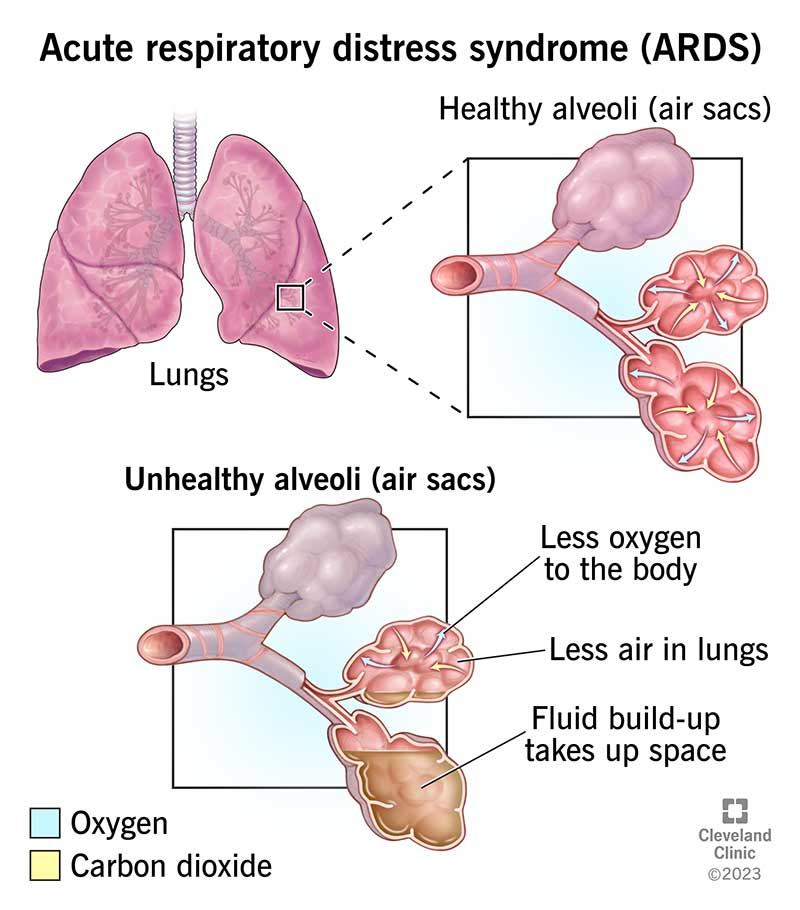
Acute Respiratory Distress Syndrome (ARDS) is a life-threatening lung condition where fluid builds up in the air sacs (alveoli), preventing oxygen from reaching the bloodstream. This leads to severe breathing difficulties and, in many cases, requires intensive medical care. But what causes ARDS, how is it treated, and can it be prevented? Let’s explore.
What Causes ARDS?
ARDS usually develops as a complication of an underlying condition. Could any of these triggers be responsible?
- Severe infections (Sepsis) – Does an overwhelming bacterial or viral infection spread through the bloodstream and damage the lungs?
- Pneumonia – Can serious lung infections cause inflammation and fluid leakage into the alveoli?
- Trauma or Injury – Could physical trauma (such as car accidents or falls) damage lung tissue?
- Inhalation of harmful substances – Have toxic fumes, smoke, or near-drowning led to lung irritation?
- Severe COVID-19 or Influenza – Could viral infections lead to widespread lung inflammation?
- Pancreatitis – Does inflammation of the pancreas release harmful substances that damage the lungs?
- Blood transfusion reactions – Could multiple transfusions trigger an inflammatory response in the lungs?
Because ARDS is not a disease itself but a severe complication, could early treatment of these conditions prevent it from developing?
What Are the Symptoms of ARDS?
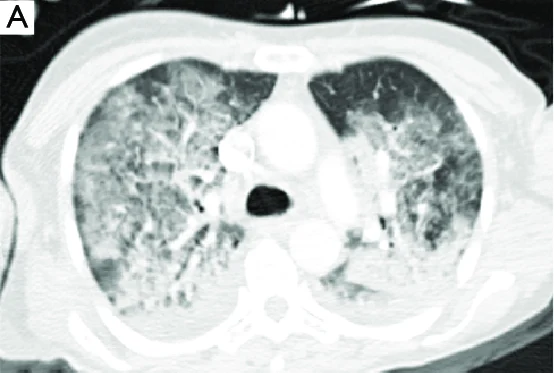
ARDS develops quickly, often within hours to days after a triggering event. Have you noticed any of these warning signs?
- Severe shortness of breath – Do you struggle to breathe, even at rest?
- Rapid, shallow breathing – Are you taking quick, gasping breaths?
- Low oxygen levels (Hypoxemia) – Does your skin or lips appear bluish (cyanosis) due to low oxygen?
- Extreme fatigue & confusion – Do you feel disoriented or excessively tired due to lack of oxygen?
- Chest pain – Does breathing cause discomfort or tightness in the chest?
- Cough (sometimes with frothy sputum) – Are you coughing up fluid due to lung inflammation?
ARDS is a medical emergency. Could immediate hospital care improve survival chances?
How is ARDS Diagnosed?
Doctors diagnose ARDS based on symptoms, medical history, and diagnostic tests. What should you expect?
- Physical examination – Does listening to lung sounds reveal crackles or abnormal breathing patterns?
- Blood tests (Arterial Blood Gas – ABG) – Do low oxygen levels confirm respiratory failure?
- Chest X-ray or CT scan – Does imaging show fluid-filled lungs instead of clear air spaces?
- Pulse oximetry – Does a simple fingertip test show dangerously low oxygen levels?
- Echocardiogram – Could ruling out heart problems help confirm that the issue is lung-related?
Since early diagnosis improves outcomes, could seeking medical attention sooner rather than later be life-saving?
How is ARDS Treated?
There is no specific cure for ARDS, but treatment focuses on supporting breathing and addressing the underlying cause. What are the main treatment options?
1. Oxygen Therapy & Ventilation Support
- Supplemental Oxygen: Does a face mask or nasal cannula help increase oxygen levels?
- Mechanical Ventilation: Could a ventilator (breathing machine) provide life-saving oxygen when the lungs fail?
- Prone Positioning: Does lying face-down (prone) improve oxygenation by reducing lung compression?
2. Medications
- Sedatives & Pain Relievers: Do these help reduce breathing effort and improve comfort on a ventilator?
- Antibiotics: Could treating infections (like pneumonia or sepsis) prevent worsening lung damage?
- Diuretics: Does removing excess fluid from the lungs improve breathing?
- Anti-Inflammatory Medications: Could corticosteroids help reduce lung inflammation?
3. Supportive Care & Rehabilitation
- Fluid Management: Can careful IV fluid control prevent lung swelling without causing dehydration?
- Nutritional Support: Does tube feeding or IV nutrition maintain strength during prolonged illness?
- Physical Therapy & Lung Rehabilitation: Can breathing exercises help regain lung function after recovery?
Since ARDS often requires intensive care and prolonged hospitalization, could early aggressive treatment improve survival rates?
What Are the Complications of ARDS?
Even with treatment, ARDS can lead to serious long-term effects. Are you aware of these potential complications?
- Lung Scarring (Fibrosis): Can ARDS cause permanent damage to the lungs, making breathing difficult?
- Organ Failure: Could prolonged low oxygen levels harm the heart, kidneys, or brain?
- Blood Clots: Does being in critical care increase the risk of dangerous clots in the legs or lungs?
- Post-Intensive Care Syndrome (PICS): Could prolonged ventilation lead to muscle weakness, depression, or memory issues?
Since some patients recover completely while others experience long-term damage, could rehabilitation programs improve recovery?
Can ARDS Be Prevented?
While ARDS isn’t always avoidable, can these strategies reduce the risk?
- Preventing Infections: Could vaccination (flu, pneumonia, COVID-19) lower the risk of severe lung infections?
- Early Treatment of Sepsis & Pneumonia: Does timely antibiotic therapy prevent lung complications?
- Avoiding Harmful Substances: Could quitting smoking or reducing exposure to toxic fumes protect the lungs?
- Managing Chronic Conditions: Does controlling diabetes, heart disease, or lung conditions lower ARDS risk?
- Safe Blood Transfusions: Could proper transfusion practices prevent lung-related immune reactions?
Since prevention focuses on treating underlying causes early, could being proactive about health reduce the likelihood of ARDS?
When Should You Seek Medical Help?
ARDS develops rapidly and requires immediate medical attention. Call emergency services if you or someone else experiences:
- Sudden, severe shortness of breath.
- Bluish skin or lips due to low oxygen.
- Rapid breathing with extreme fatigue or confusion.
- Chest pain or signs of infection worsening.
Delaying treatment can be life-threatening. Could early medical intervention improve outcomes?
