


What is an Odontogenic Cyst?
An odontogenic cyst is a type of cyst that originates from the tissues involved in the formation of teeth. These cysts are typically found in the jawbone and are related to the development of the teeth. Odontogenic cysts can be classified into various types, with the most common being the dentigerous cyst, keratocystic odontogenic tumor, and primordial cyst. These cysts are usually benign (non-cancerous), but they can cause significant problems if left untreated.
What causes an Odontogenic Cyst?
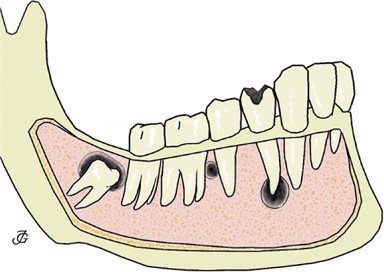
Odontogenic cysts arise from the cells and tissues that form the teeth, specifically from the epithelial remnants of the tooth development process. The exact cause of these cysts is not always clear, but they are often linked to:
- Disruptions during tooth development: The cyst may develop due to the presence of leftover cells from the formation of teeth.
- Infections or trauma: Some odontogenic cysts can be linked to infection, injury, or an impacted tooth, leading to the formation of a cystic growth.
- Genetic factors: In rare cases, genetic mutations or syndromes may predispose individuals to the development of odontogenic cysts.
What are the types of Odontogenic Cysts?
There are several types of odontogenic cysts, each with its own characteristics:
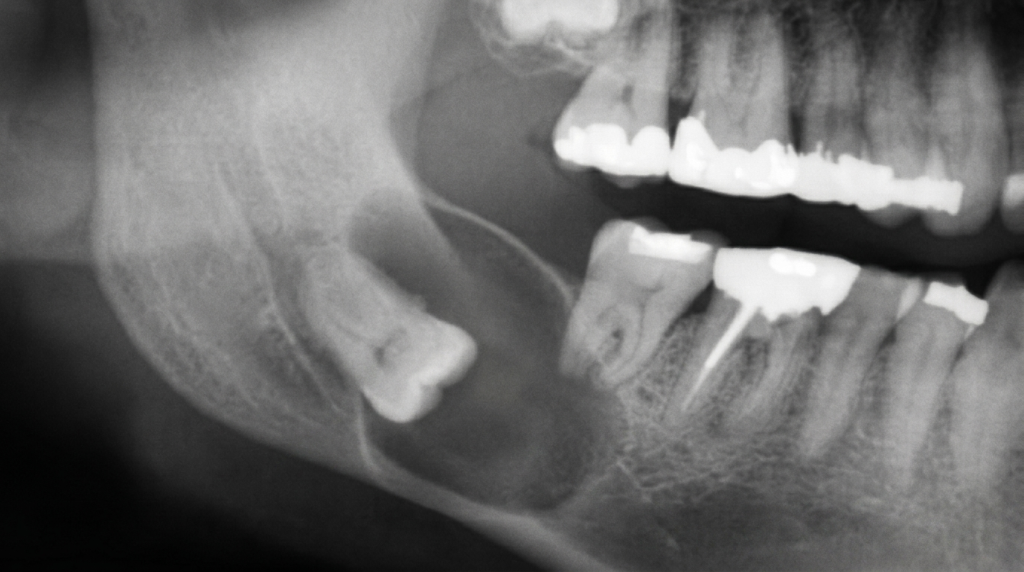
- Dentigerous cyst: This is the most common type of odontogenic cyst, typically surrounding the crown of an unerupted or impacted tooth, often the third molars (wisdom teeth). It can lead to tooth displacement if left untreated.
- Keratocystic odontogenic tumor (KCOT): A more aggressive cyst that can recur after treatment. It is often associated with the basal cell nevus syndrome.
- Primordial cyst: This type of cyst occurs in place of a tooth that has not developed. It is often detected incidentally during routine dental X-rays.
- Lateral periodontal cyst: This cyst occurs along the side of the root of a tooth and is typically asymptomatic, often found in adults.
What are the symptoms of an Odontogenic Cyst?
Many odontogenic cysts do not produce noticeable symptoms and are often discovered during routine dental X-rays. However, in some cases, symptoms may include:
- Swelling or a lump: A visible swelling or bump in the jaw or gums, particularly in the area around an impacted tooth.
- Pain or discomfort: If the cyst becomes infected or grows large enough, it may cause pain or tenderness in the affected area.
- Tooth displacement: Larger cysts can push teeth out of alignment, leading to bite issues.
- Soft tissue infections: If the cyst ruptures or becomes infected, it may cause redness, warmth, and swelling of the surrounding soft tissue.
- Difficulty opening the mouth: In some cases, a cyst may affect the jaw joint, making it difficult to open the mouth fully.
How is an Odontogenic Cyst diagnosed?
Diagnosis of an odontogenic cyst is typically made through a combination of clinical examination and imaging studies:
- Dental X-rays: X-rays are the most common method for detecting odontogenic cysts, as they often appear as a well-defined, radiolucent (dark) area around a tooth.
- CT scans or MRI: In some cases, especially for larger cysts, a CT scan or MRI may be used to evaluate the extent of the cyst and its impact on surrounding structures.
- Biopsy: If the cyst is large or unusual, a biopsy may be taken to examine the cyst tissue and confirm the diagnosis.
What are the treatment options for an Odontogenic Cyst?
Treatment for odontogenic cysts depends on the type, size, and location of the cyst, as well as the presence of any symptoms or complications. Treatment options include:
- Surgical removal: The most common treatment for odontogenic cysts is surgical excision. This involves removing the cyst along with any affected tissue, such as an impacted tooth. If the cyst is small, it may be removed through a relatively simple procedure.
- Marsupialization: In some cases, especially with larger cysts, marsupialization may be performed. This procedure involves draining the cyst and creating a small opening to allow it to shrink over time.
- Enucleation: For certain cysts, enucleation (complete removal) may be necessary to ensure that the cyst is fully removed and does not recur.
- Follow-up care: After treatment, regular follow-up visits and X-rays are needed to ensure the cyst has not returned.
What is the prognosis for an Odontogenic Cyst?
The prognosis for most odontogenic cysts is excellent, especially when they are diagnosed early and treated promptly. Most cysts are benign and do not pose a significant risk of malignancy. However, some types, such as the keratocystic odontogenic tumor (KCOT), have a higher risk of recurrence, requiring ongoing monitoring after treatment. In general, when treated appropriately, the prognosis is favorable, and most individuals recover without complications.
Can Odontogenic Cysts be prevented?
Since the exact cause of odontogenic cysts is often unclear, there is no known way to prevent them. However, regular dental check-ups, including routine X-rays, can help detect cysts early before they cause significant issues. Early detection and treatment are key to preventing complications, such as tooth displacement or infection.
How can patients and families cope with Odontogenic Cysts?
While most odontogenic cysts are not life-threatening, they can cause significant discomfort or inconvenience. Coping strategies include:
- Regular dental visits: Staying on top of regular dental check-ups allows for early detection of cysts and other dental issues.
- Treatment planning: Discussing treatment options with a dentist or oral surgeon helps ensure the best approach for managing the cyst and preventing recurrence.
- Post-surgical care: Following proper care instructions after surgery, including keeping the surgical site clean and avoiding certain foods, can aid in recovery.
