What Is a Gastroileal Fistula?
A gastroileal fistula is an abnormal connection (fistula) between the stomach and the ileum, which is the last part of the small intestine. This rare condition allows partially digested stomach contents to bypass the normal digestive route, moving directly from the stomach to the ileum.
This can disrupt digestion and nutrient absorption, often leading to uncomfortable symptoms and potential complications.
Causes of Gastroileal Fistula
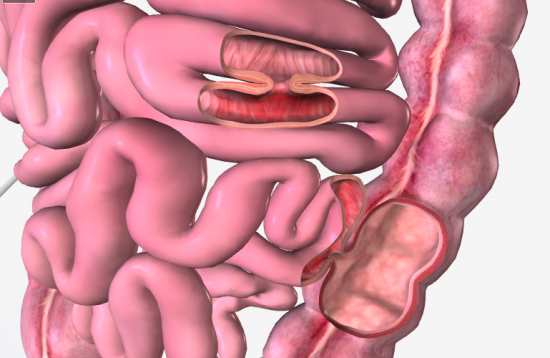
Gastroileal fistulas may be caused by various medical or surgical conditions. Common causes include:
- Crohn’s disease (a chronic inflammatory bowel disease)
- Peptic ulcer disease eroding into nearby intestinal loops
- Abdominal surgery complications
- Cancer involving the stomach or small intestine
- Radiation therapy to the abdominal region
- Infections or abscesses in the gastrointestinal tract
- Trauma to the abdomen
Symptoms of Gastroileal Fistula
Symptoms may vary depending on the size and severity of the fistula. Common symptoms include:
- Chronic diarrhea
- Abdominal pain or cramping
- Weight loss
- Fatigue or weakness
- Bloating or gas
- Malnutrition
- Foul-smelling stool or changes in bowel habits
Some people may also develop anemia or vitamin deficiencies due to poor absorption of nutrients.
How Is a Gastroileal Fistula Diagnosed?
Diagnosis typically involves a combination of medical history, physical examination, and imaging studies. Tests may include:
- CT scan or MRI of the abdomen to identify the fistula and rule out complications
- Upper gastrointestinal series with contrast to visualize the connection between the stomach and ileum
- Endoscopy or colonoscopy to examine the internal structures and possibly locate the fistula
- Blood tests to assess for anemia, infection, or nutritional deficiencies
Treatment Options for Gastroileal Fistula
The treatment approach depends on the underlying cause, size of the fistula, and overall health of the patient. Common treatment strategies include:
Conservative Management
- Nutritional support (oral supplements or intravenous feeding)
- Antibiotics if infection is present
- Bowel rest with special diets or feeding through veins (TPN)
- Anti-inflammatory medications (especially for Crohn’s disease)
Surgical Treatment
- Surgery may be required to:
- Remove the fistulous tract
- Repair the stomach and ileum
- Address any complications such as abscesses or strictures
Endoscopic Approaches
- In select cases, endoscopic closure with clips or sealants may be attempted
Complications of Gastroileal Fistula
If untreated or not properly managed, a gastroileal fistula can lead to:
- Severe malnutrition
- Electrolyte imbalances
- Weight loss and fatigue
- Chronic infections or sepsis
- Bowel obstructions
- Fistula recurrence after surgery
Can a Gastroileal Fistula Be Prevented?
While not all cases can be prevented, some steps may reduce the risk:
- Managing Crohn’s disease or ulcer conditions effectively
- Avoiding unnecessary abdominal surgeries
- Prompt treatment of GI infections or abscesses
- Monitoring post-surgical sites for signs of leakage or complications
Living With a Gastroileal Fistula
Living with a gastroileal fistula can be challenging, especially if it affects digestion and nutrition. Supportive care may involve:
- Frequent small meals
- Nutritional supplements
- Medical supervision and follow-up
- Support from dietitians and GI specialists
- Mental health support, especially if chronic symptoms affect quality of life