


What Is an Insulinoma?
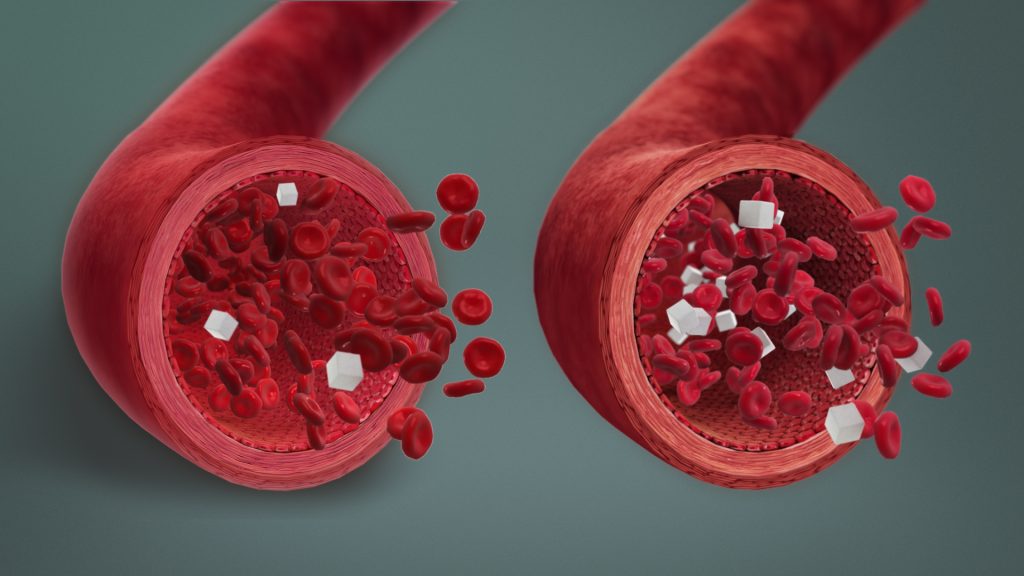
An insulinoma is a rare type of pancreatic neuroendocrine tumor that produces excess insulin, the hormone responsible for lowering blood sugar. This leads to repeated episodes of hypoglycemia (low blood sugar), which can cause a variety of symptoms.
Insulinomas are usually benign (non-cancerous) and small in size, but they can cause significant health issues due to their effect on blood glucose regulation.
How Common Is Insulinoma?
Insulinomas are rare, occurring in about 1 to 4 people per million per year. They are the most common type of functioning pancreatic endocrine tumor, and most cases appear sporadically, though some are linked to genetic syndromes like MEN1 (Multiple Endocrine Neoplasia type 1).
What Causes Insulinoma?
The exact cause is often unknown, but insulinomas originate from the beta cells in the pancreas, which normally produce insulin. In these tumors, the cells secrete insulin inappropriately, even when blood sugar levels are normal or low.
In a minority of cases, insulinomas are associated with MEN1, a genetic disorder that also affects the parathyroid glands and pituitary gland.
What Are the Symptoms of Insulinoma?
Symptoms are related to low blood sugar (hypoglycemia) and may include:
- Confusion or dizziness
- Blurred vision
- Headaches
- Sweating
- Shakiness or tremors
- Weakness or fatigue
- Hunger
- Irritability or mood changes
- In severe cases: seizures, loss of consciousness, or coma
These symptoms often occur when fasting, after physical activity, or between meals—and improve rapidly with sugar intake.
How Is Insulinoma Diagnosed?
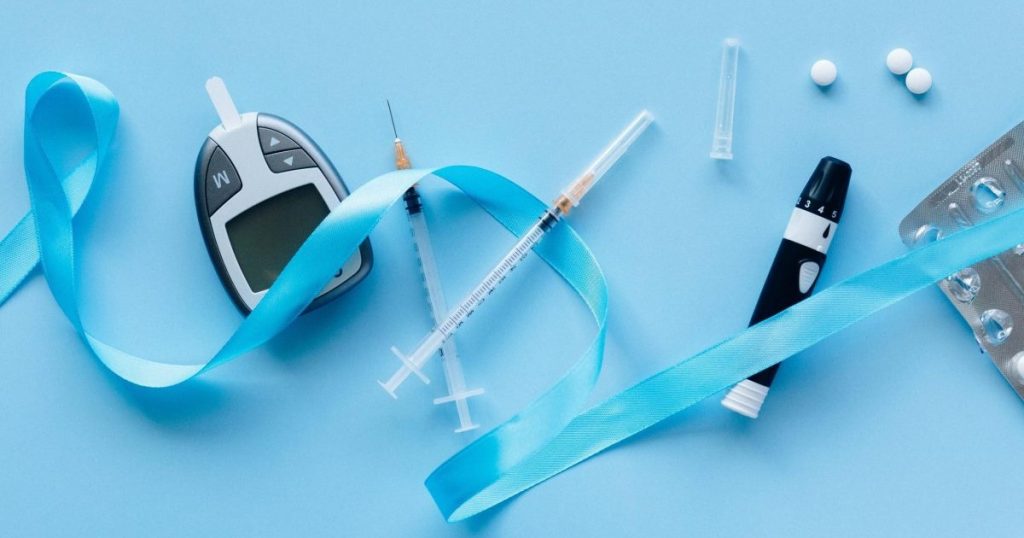
Diagnosis involves confirming inappropriate insulin secretion during a hypoglycemic episode. Common tests include:
- 72-hour fasting test: The gold standard test to check for low blood sugar and high insulin levels during fasting
- Blood tests during hypoglycemia:
- Low glucose
- High insulin
- High C-peptide (shows insulin is made in the body, not from injection)
- Low ketones
- Imaging tests to locate the tumor:
- CT scan or MRI of the pancreas
- Endoscopic ultrasound
- Specialized scans like Octreoscan or Gallium-68 DOTATATE PET scan
In some cases, invasive tests like calcium stimulation with hepatic venous sampling may be needed if imaging is inconclusive.
How Is Insulinoma Treated?
Surgery:
- Surgical removal is the preferred treatment for most insulinomas.
- Minimally invasive or open surgery may be used depending on tumor location and size.
- Most tumors are solitary and benign, making surgery highly effective.
Medication:
- If surgery isn’t possible or the tumor is malignant:
- Diazoxide – to reduce insulin secretion
- Octreotide or lanreotide – somatostatin analogs that suppress hormone release
- Everolimus – for advanced or metastatic disease
Dietary Management:
- Small, frequent meals high in protein and complex carbohydrates
- Avoiding fasting or long gaps between meals
Can Insulinoma Be Cancerous?
Most insulinomas are benign (around 90%), but about 10% can be malignant. Malignant tumors may spread to the liver, lymph nodes, or other nearby structures. These cases require more extensive treatment, including surgery, targeted therapy, and sometimes chemotherapy.
What Is the Outlook for People With Insulinoma?
The outlook is excellent for people with benign insulinomas that are surgically removed—most are cured with no recurrence. For malignant cases, the prognosis depends on how far the cancer has spread and how it responds to treatment.
Regular follow-up is important to monitor for recurrence or manage symptoms if surgery isn’t an option.
When Should You See a Doctor?
You should consult a healthcare provider if you experience:
- Recurrent episodes of low blood sugar
- Symptoms that resolve after eating or drinking sugary fluids
- Unexplained confusion, fainting, or seizures
Early diagnosis is essential to prevent serious complications and improve quality of life.
