What is Powder Allergy?
Powder allergy refers to an allergic reaction triggered by exposure to various types of powders. These powders can include cosmetic powders (such as talcum powder or face powder), industrial powders (like flour, dust, or chemical powders), or airborne particulate matter. The allergy causes symptoms when the immune system reacts to powder particles, leading to irritation or inflammation.
What causes Powder Allergy?
Powder allergy is caused by sensitivity to specific components found in powders, such as:
- Talc or other minerals in cosmetic powders
- Fragrances or preservatives added to powders
- Dust mites or mold spores present in powders or dust
- Industrial or occupational powders like flour, wood dust, or chemical dust
- Airborne particles in dusty environments
Exposure to these allergens triggers an immune response leading to allergy symptoms.
What are the symptoms of Powder Allergy?
Symptoms may vary depending on the site of exposure but commonly include:
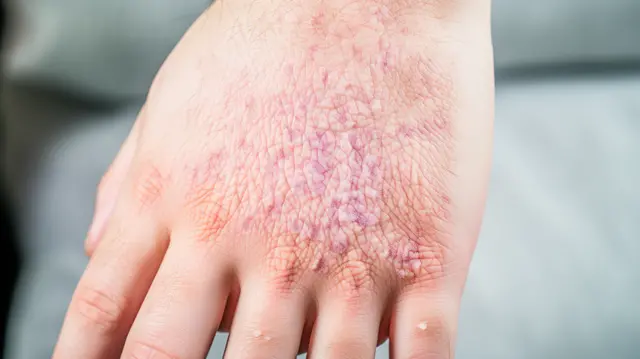
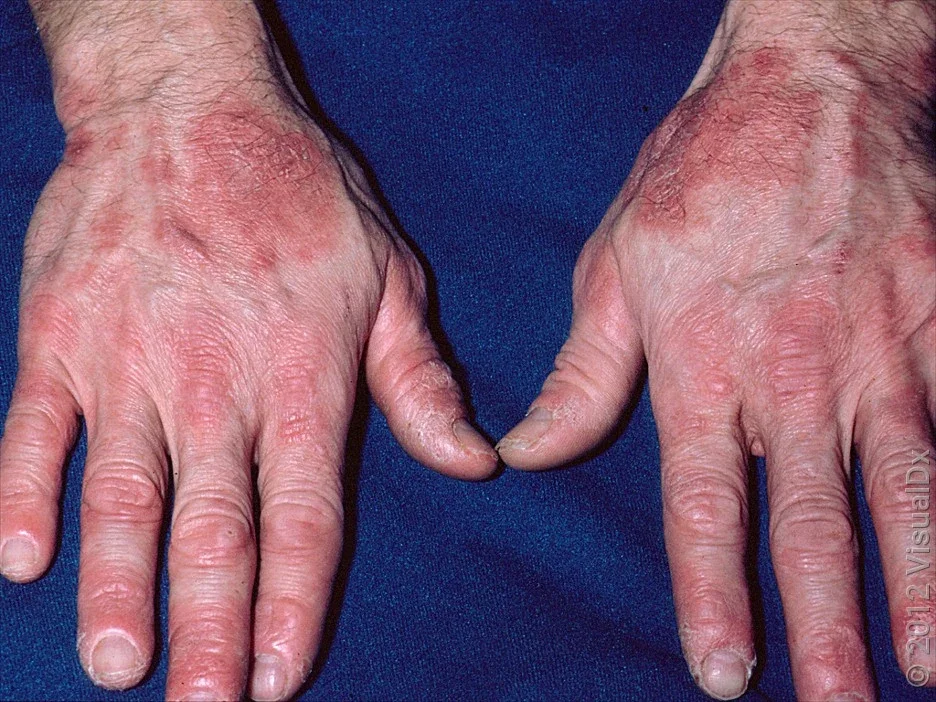
- Skin reactions such as redness, itching, rash, or hives (contact dermatitis)
- Nasal congestion, sneezing, runny nose, or itchy nose
- Coughing, wheezing, or shortness of breath (if inhaled)
- Eye irritation, redness, or watery eyes
- In severe cases, asthma attacks or respiratory distress
How is Powder Allergy diagnosed?
Diagnosis involves:
- Detailed medical and exposure history
- Physical examination focusing on skin and respiratory symptoms
- Allergy testing such as skin prick tests or patch tests to identify specific allergens
- Sometimes lung function tests if respiratory symptoms are present
What are the treatment options for Powder Allergy?
Treatment focuses on avoiding exposure and managing symptoms:
- Avoidance of known powders or allergens
- Use of protective gear such as masks or gloves in occupational settings
- Antihistamines or nasal sprays for allergic symptoms
- Topical corticosteroids for skin reactions
- Bronchodilators or inhaled corticosteroids if asthma symptoms occur
- Immunotherapy (allergy shots) in some cases under specialist guidance
What is the recovery and prognosis for Powder Allergy?
- Symptoms generally improve with avoidance of allergens and proper treatment
- Some individuals may experience chronic or recurrent symptoms if exposure continues
- Prognosis is good with effective management and environmental control
How can Powder Allergy be prevented or managed long-term?
- Identify and avoid triggers or allergenic powders
- Maintain good hygiene and clean living or work environments to reduce dust accumulation
- Use hypoallergenic cosmetic products if sensitive
- Employ protective equipment when working with powders in industrial settings
- Seek regular medical advice for symptom monitoring and management