What Is Filarial Worm Disease?
Filarial worm disease, also known as lymphatic filariasis, is a parasitic infection caused by microscopic worms called filariae. These worms are spread through the bite of infected mosquitoes and affect the lymphatic system, which helps maintain the body’s fluid balance and fight infections. Over time, the disease can lead to swelling, skin thickening, and disability.
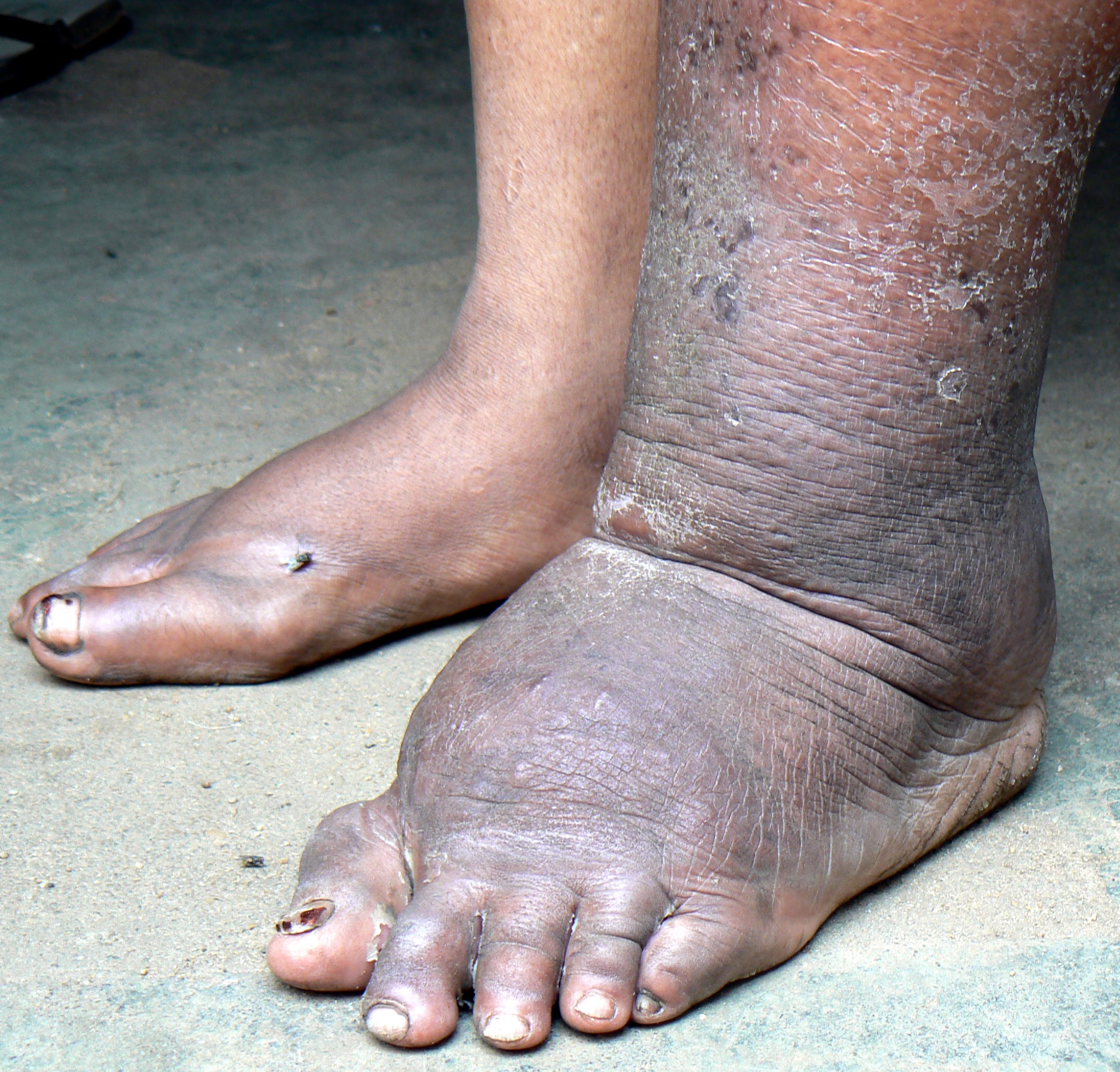
What Are the Common Symptoms?
Many people may not have symptoms in the early stages. However, when the disease progresses, symptoms may include:
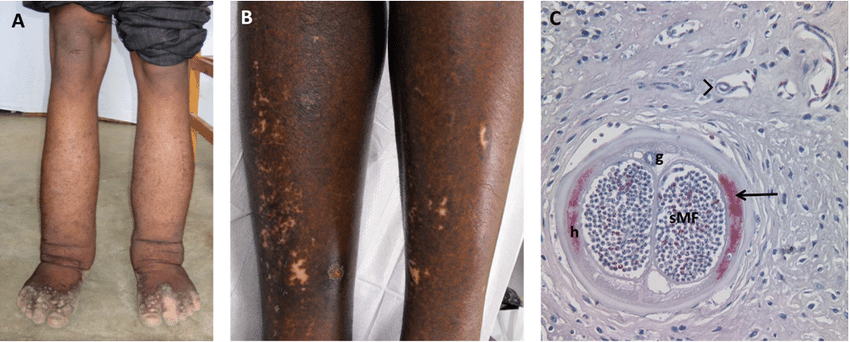
- Swelling of the legs, arms, breasts, or genitals (commonly referred to as elephantiasis)
- Repeated episodes of fever
- Thickened, hardened skin
- Pain or discomfort in the swollen areas
- Lymph node inflammation
- Scrotal swelling in men (hydrocele)
What Causes Filarial Worm Disease?
The disease is caused by filarial worms such as:
- Wuchereria bancrofti
- Brugia malayi
- Brugia timori
These worms are transmitted to humans through the bites of mosquitoes that carry the infective larvae. Once inside the human body, the larvae grow into adult worms and live in the lymphatic vessels, leading to inflammation and blockage over time.
How Is It Diagnosed?
Diagnosis typically involves:
- Blood tests: To detect the presence of microfilariae (best collected at night)
- Antigen detection tests: Identify active infections
- Ultrasound: May show adult worms in lymphatic vessels
- Physical examination: Based on visible swelling and symptoms
What Are the Treatment Options?
Treatment aims to kill the parasites and manage symptoms:
- Antiparasitic medications:
- Diethylcarbamazine (DEC)
- Ivermectin
- Albendazole (often combined with the others)
- Hygiene and skin care: Regular cleaning of swollen areas to prevent infection
- Compression bandages: To help reduce swelling
- Surgery: May be required in severe cases of hydrocele or elephantiasis
- Pain management: For discomfort and inflammation
Can It Be Prevented?
Yes, prevention is possible, especially in areas where the disease is common:
- Mosquito control: Use of nets, insect repellents, and reducing standing water
- Mass drug administration (MDA): In endemic areas, entire communities may receive annual medications to prevent the spread
- Personal protection: Wearing long sleeves and pants in mosquito-prone areas