


What is Parathyroid Cancer?
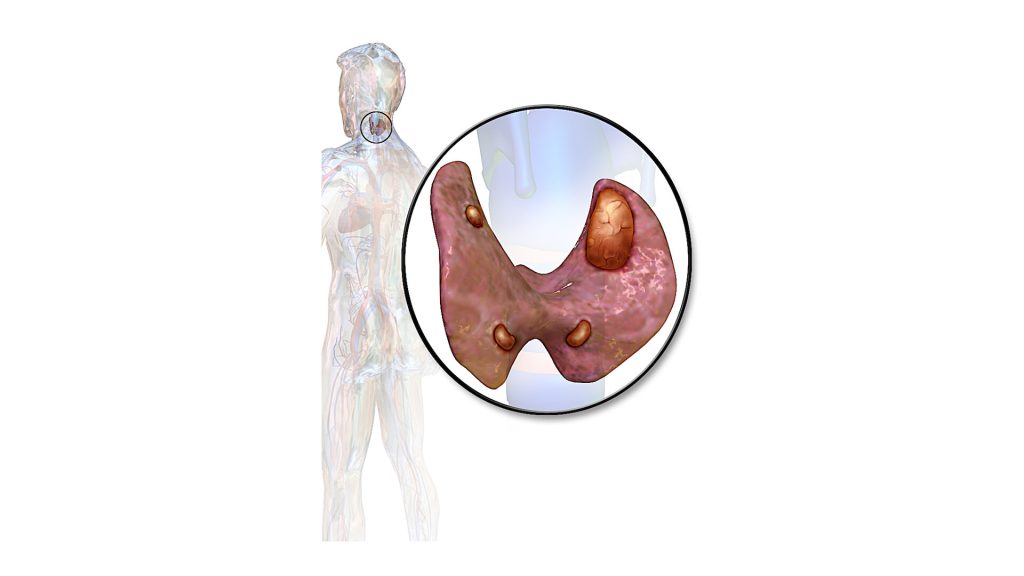
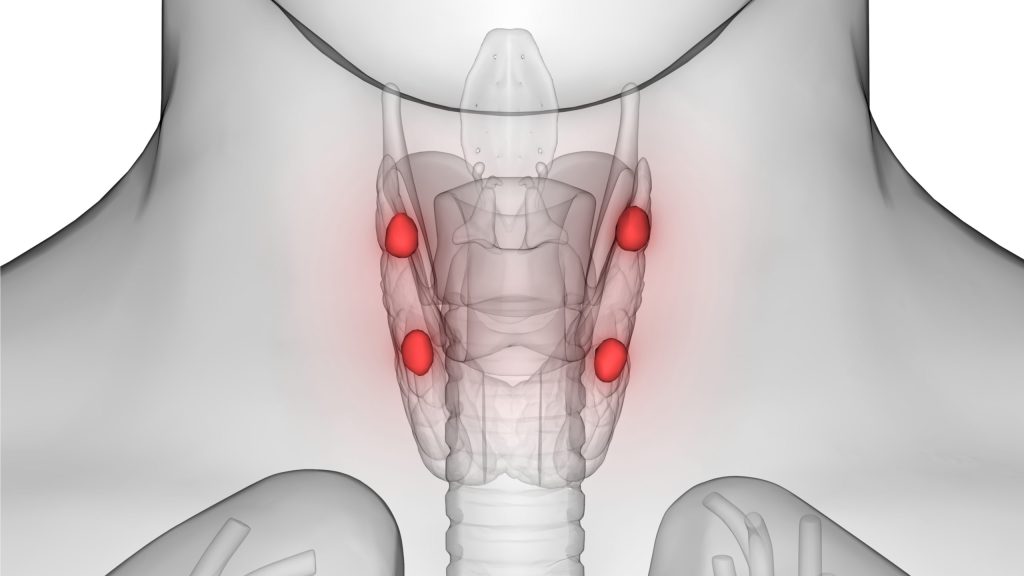
Parathyroid cancer is a very rare type of cancer that originates in one of the parathyroid glands — four small glands located in the neck behind the thyroid that help regulate calcium levels in the blood. Unlike benign parathyroid tumors, parathyroid cancer is malignant and has the potential to invade nearby tissues or spread to other parts of the body.
This cancer can cause overproduction of parathyroid hormone (PTH), leading to severe hypercalcemia (high blood calcium levels), which can be life-threatening if not treated promptly.
What Causes Parathyroid Cancer?
The exact cause of parathyroid cancer is unknown, but certain factors may increase risk, including:
- Genetic conditions like Hyperparathyroidism-Jaw Tumor Syndrome (HPT-JT)
- Familial isolated hyperparathyroidism
- Previous radiation exposure to the neck
- History of chronic kidney disease or long-standing hyperparathyroidism
Most cases occur sporadically and are not linked to a specific cause.
What Are the Symptoms of Parathyroid Cancer?
Symptoms are often related to elevated calcium levels caused by excess PTH production, and may include:
- Fatigue and weakness
- Excessive thirst and urination
- Nausea, vomiting, or constipation
- Bone pain or fractures
- Kidney stones
- Abdominal pain
- Depression or confusion
A noticeable lump in the neck, hoarseness, or difficulty swallowing may occur if the tumor grows large enough to affect nearby structures.
How is Parathyroid Cancer Diagnosed?
Diagnosing parathyroid cancer can be challenging because it resembles benign parathyroid tumors. Diagnosis often includes:
- Blood tests showing very high levels of calcium and PTH
- Ultrasound or CT/MRI scans of the neck to detect tumors
- Sestamibi scan – a nuclear imaging test to locate abnormal parathyroid tissue
- Biopsy or surgical removal – definitive diagnosis is often made after examining the tumor under a microscope
How is Parathyroid Cancer Treated?
1. Surgery (Main Treatment)
- The primary treatment is surgical removal of the tumor, often including the affected parathyroid gland and nearby tissues such as part of the thyroid or lymph nodes.
- Complete and early removal gives the best chance for cure.
2. Management of Hypercalcemia
- Intravenous fluids and medications like bisphosphonates or calcimimetics (e.g., cinacalcet) help control high calcium levels.
3. Radiation Therapy
- May be used after surgery in some cases to reduce recurrence risk.
4. Chemotherapy
- Rarely effective, but may be considered if the cancer has spread widely.
5. Monitoring
- Lifelong follow-up is necessary to monitor calcium levels and detect recurrence early.
What is the Prognosis for Parathyroid Cancer?
Parathyroid cancer has a moderate to high recurrence rate, and prognosis depends on early diagnosis and successful surgical removal. Key factors include:
- Early-stage cancer has a better chance of cure with complete surgery.
- Recurrence or metastasis (often to lungs, bones, or liver) can occur, sometimes many years after initial treatment.
- With ongoing management, many people can live for years even with recurrent disease.
The 5-year survival rate varies widely but may exceed 80% if diagnosed and treated early.
