What Is Intermittent Claudication?
Intermittent claudication is a condition where a person experiences pain, cramping, or fatigue in the legs—usually during walking or physical activity—that goes away with rest. It is most often caused by peripheral artery disease (PAD), where narrowed arteries reduce blood flow to the limbs.
This condition is a warning sign of poor circulation and may be an indicator of a broader cardiovascular issue.
What Causes Intermittent Claudication?
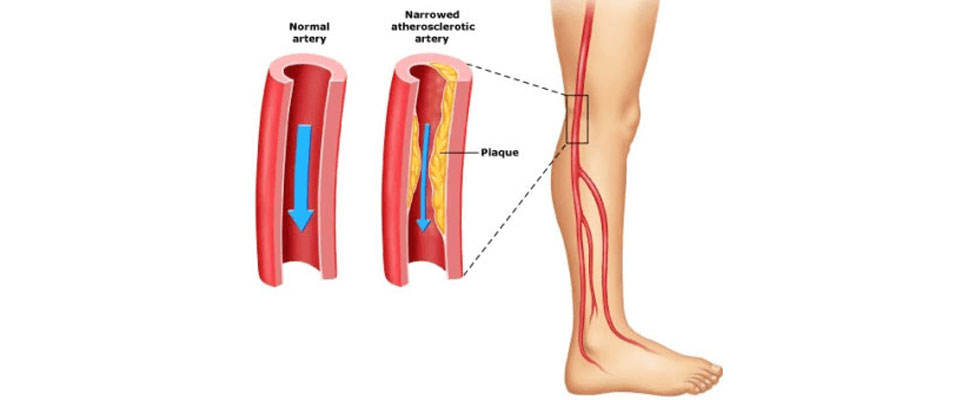
The most common cause is atherosclerosis, a buildup of fatty deposits (plaques) in the arteries, which reduces blood flow. Contributing factors include:
- Smoking
- High blood pressure
- High cholesterol
- Diabetes
- Sedentary lifestyle
- Obesity
- Advancing age
These factors damage arteries and restrict the oxygen supply to leg muscles during exertion.
What Are the Symptoms of Intermittent Claudication?
Symptoms usually occur during walking or climbing stairs and go away with rest. They include:
- Cramping, aching, or tightness in the calves, thighs, or buttocks
- Pain that starts with exercise and stops within minutes of resting
- Coldness or numbness in the lower legs or feet
- Weak pulse in the legs or feet
- Shiny skin, hair loss, or slow-healing wounds on the legs or feet (in advanced PAD)
Symptoms may get worse over time if left untreated.
How Is Intermittent Claudication Diagnosed?
Diagnosis typically includes:
- Physical examination (checking leg pulses, color, and skin changes)
- Ankle-brachial index (ABI) – compares blood pressure in the ankle with that in the arm
- Doppler ultrasound – measures blood flow in leg arteries
- CT or MR angiography – detailed imaging of blood vessels
- Exercise treadmill testing – evaluates walking capacity and symptoms
How Is Intermittent Claudication Treated?
Lifestyle Changes:
- Stop smoking immediately (smoking worsens PAD)
- Regular walking/exercise program to improve circulation
- Healthy diet to lower cholesterol and blood pressure
- Weight loss if overweight
Medications:
- Antiplatelet drugs (e.g., aspirin or clopidogrel) to prevent clots
- Cholesterol-lowering drugs (statins)
- Blood pressure control
- Medications like cilostazol or pentoxifylline to improve blood flow and walking ability
Surgical or Interventional Treatments (for severe cases):
- Angioplasty with or without stenting
- Bypass surgery to reroute blood around a blocked artery
Is Intermittent Claudication Serious?
Yes, because it often reflects underlying systemic atherosclerosis. It increases the risk of:
- Heart attack
- Stroke
- Critical limb ischemia (severe reduction of blood flow to the legs)
It’s important to seek medical attention early to manage symptoms and prevent complications.