


What Is Endometrial Cancer?
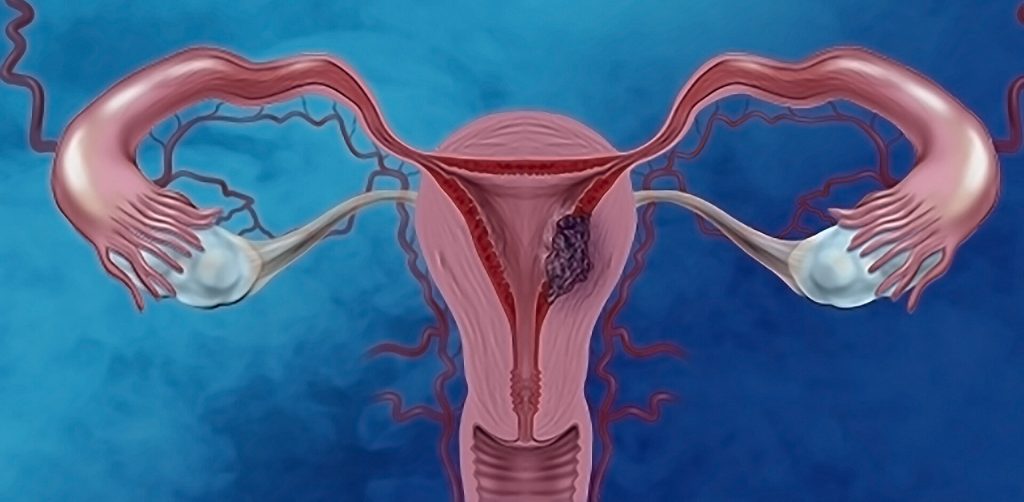
Endometrial cancer is a type of cancer that starts in the lining of the uterus, known as the endometrium. It’s the most common type of uterine cancer and mostly affects postmenopausal women, although it can occur earlier in some cases.
What Causes Endometrial Cancer?
Endometrial cancer often develops when there is an imbalance between the hormones estrogen and progesterone. When estrogen levels are too high without enough progesterone, the endometrial lining can grow excessively, increasing the risk of cancer.
Common risk factors include:
- Obesity
- Hormonal imbalances (especially excess estrogen)
- Polycystic ovary syndrome (PCOS)
- Early menstruation or late menopause
- Never having been pregnant
- Family history of endometrial or colon cancer
- Tamoxifen use (a breast cancer drug)
- Diabetes or high blood pressure
What Are the Symptoms of Endometrial Cancer?
Symptoms often appear early, which helps with early diagnosis. Common signs include:
- Abnormal vaginal bleeding, especially after menopause
- Bleeding between periods
- Pelvic pain or cramping
- Unusual vaginal discharge
- Pain during intercourse
- Unexplained weight loss or fatigue in later stages
How Is Endometrial Cancer Diagnosed?
If symptoms are present, your doctor may perform the following:
- Pelvic exam
- Transvaginal ultrasound to check the uterine lining
- Endometrial biopsy to collect tissue for testing
- Hysteroscopy (a procedure to view the inside of the uterus)
- Dilation and curettage (D&C) for further sampling if needed
What Are the Stages of Endometrial Cancer?
Endometrial cancer is staged from Stage I (early and localized) to Stage IV (advanced and spread to other organs). The stage helps determine the treatment plan and prognosis.
How Is Endometrial Cancer Treated?
Treatment depends on the stage and health condition of the patient. Common options include:
- Surgery: The most common treatment is a hysterectomy (removal of the uterus), often along with the ovaries and fallopian tubes.
- Radiation therapy: May be used before or after surgery to kill cancer cells.
- Hormone therapy: Used if the cancer is hormone-sensitive, especially in advanced cases.
- Chemotherapy: Often used in more advanced or aggressive cases.
- Targeted therapy or immunotherapy: In some cases, especially if the cancer returns or doesn’t respond to other treatments.
Can Endometrial Cancer Be Prevented?
While not all cases can be prevented, you can lower your risk by:
- Maintaining a healthy weight
- Managing chronic conditions like diabetes or PCOS
- Using birth control pills (under medical guidance), which may reduce the risk
- Regular pelvic exams and reporting any unusual bleeding to your doctor
- Genetic testing if there’s a strong family history
When Should You See a Doctor?
Contact a healthcare provider if you experience:
- Any vaginal bleeding after menopause
- Heavy or irregular periods
- Unusual pelvic pain or discharge
Early detection can make a big difference in treatment success.