


Also known as Human Herpesvirus 8 (HHV-8)
What is Kaposi Sarcoma-Associated Herpesvirus?
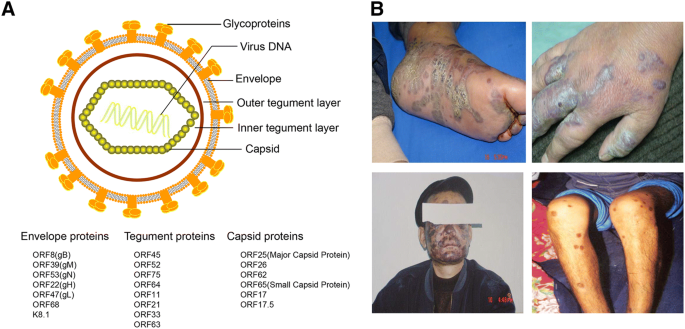
Kaposi Sarcoma-Associated Herpesvirus (KSHV), also known as Human Herpesvirus 8 (HHV-8), is a virus that belongs to the herpesvirus family. It is the infectious agent responsible for Kaposi Sarcoma, a type of cancer that forms in the lining of blood and lymph vessels. KSHV can also cause other rare lymphoproliferative disorders.

How does KSHV cause disease?
KSHV infects cells in the immune system and blood vessels. In people with weakened immune systems—such as those with HIV/AIDS, organ transplant recipients, or those undergoing immunosuppressive therapy—KSHV can lead to:
- Kaposi Sarcoma (KS)
- Primary Effusion Lymphoma (PEL)
- Multicentric Castleman Disease (MCD)
In healthy individuals, KSHV often remains dormant and does not cause symptoms.
How is KSHV transmitted?
KSHV spreads primarily through body fluids, especially:
- Saliva – the most common mode of transmission
- Sexual contact – particularly among men who have sex with men
- Blood transfusion or organ transplantation – less common but possible
- Mother-to-child transmission during childbirth or breastfeeding – rare
The virus is not airborne, and casual contact such as hugging or shaking hands does not spread it.
Who is at risk for KSHV infection?
People at higher risk include:
- Individuals with HIV/AIDS
- Men who have sex with men, especially those with multiple partners
- People from sub-Saharan Africa, Mediterranean regions, or Eastern Europe
- Organ transplant recipients on long-term immunosuppressive therapy
- People with weakened immune systems for any reason
What are the symptoms of KSHV infection?
In most people, KSHV causes no symptoms and remains latent. However, in immunocompromised individuals, it can lead to:
- Kaposi Sarcoma – skin lesions, swelling, internal organ involvement
- Primary Effusion Lymphoma (PEL) – a rare cancer that affects body cavities
- Multicentric Castleman Disease (MCD) – a disorder causing swollen lymph nodes, fever, and fatigue
How is KSHV infection diagnosed?
Diagnosis of KSHV may include:
- Blood tests to detect KSHV DNA or antibodies
- Tissue biopsy from suspected lesions or lymph nodes
- PCR testing to identify viral genetic material
- Diagnosis often occurs after a person presents with Kaposi Sarcoma or a related illness
Is there a treatment for KSHV infection?
There is no cure for KSHV itself, but related diseases caused by the virus can be treated:
- Kaposi Sarcoma – treated with antiretroviral therapy (in HIV), chemotherapy, radiation, or surgery
- Multicentric Castleman Disease – treated with antiviral agents, chemotherapy, and immunotherapy
- Primary Effusion Lymphoma – requires chemotherapy and targeted therapy
Managing the underlying condition (such as HIV/AIDS) is crucial for controlling KSHV-related illnesses.
Can KSHV be prevented?
While there is no vaccine for KSHV, prevention strategies include:
- Safe sexual practices, such as using condoms
- Avoiding sharing saliva, especially in high-risk settings
- Screening blood and organ donors
- Effective HIV treatment to maintain immune function
- Regular monitoring in immunocompromised individuals
What is the prognosis for people infected with KSHV?
Many people infected with KSHV never develop symptoms. For those who do, early detection and treatment of related conditions like Kaposi Sarcoma significantly improve outcomes. People with HIV who maintain a strong immune system through antiretroviral therapy (ART) are less likely to develop KSHV-related diseases.