What is Juvenile-Onset Lichen Planus?
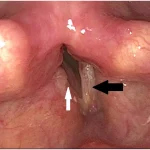
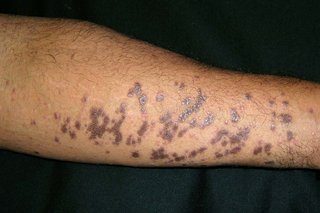
Juvenile-Onset Lichen Planus is a chronic inflammatory skin condition that appears in children or adolescents. It causes itchy, purplish flat-topped bumps on the skin and may also affect the mucous membranes, scalp, nails, and genitals. Though more common in adults, lichen planus can also develop in younger individuals and may have unique features in this age group.
What Causes Juvenile-Onset Lichen Planus?
The exact cause is unknown, but it is believed to be related to an autoimmune reaction, where the immune system mistakenly attacks healthy skin and mucous cells. Potential triggers include:
- Genetic predisposition
- Viral infections, especially hepatitis C (though rare in children)
- Allergic reactions to medications or dental materials
- Stress or trauma to the skin (Koebner phenomenon)
- Vaccinations or infections that might activate the immune system
It’s important to note that lichen planus is not contagious.
How Common is Juvenile-Onset Lichen Planus?
Lichen planus is rare in children, with only a small percentage of total cases occurring before the age of 20. However, awareness is growing as more pediatric cases are being recognized and documented.
What Are the Symptoms of Juvenile-Onset Lichen Planus?
Symptoms can vary, but commonly include:
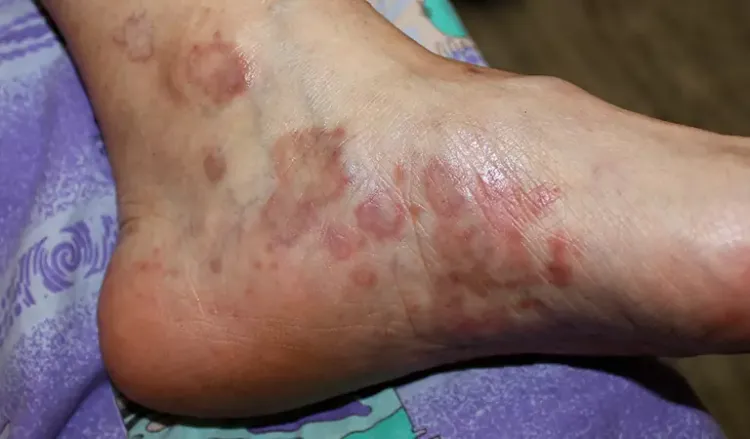
- Itchy, flat-topped, purplish bumps on the wrists, ankles, lower back, or legs
- White lacy patches inside the mouth (oral lichen planus)
- Thickened or ridged nails, sometimes leading to nail loss
- Hair loss or scarring when the scalp is affected (lichen planopilaris)
- Discoloration of healed lesions, which may last for months
In children, lichen planus may also appear in unusual patterns or be more widespread.
How is Juvenile-Onset Lichen Planus Diagnosed?
Diagnosis is usually made through:
- Clinical examination by a dermatologist
- Skin biopsy to confirm the characteristic changes seen under a microscope
- Blood tests to rule out underlying infections or immune conditions
- Allergy testing if a contact trigger is suspected
Early diagnosis helps guide proper treatment and rule out other conditions with similar appearance.
How is Juvenile-Onset Lichen Planus Treated?
Treatment focuses on relieving symptoms and reducing inflammation. Common approaches include:
- Topical corticosteroids – first-line treatment to reduce redness and itching
- Antihistamines – to help with itching
- Calcineurin inhibitors (like tacrolimus) – for sensitive areas such as the face or genitals
- Oral corticosteroids or immune-modulating drugs – for severe or widespread cases
- Phototherapy (light therapy) – may be used in stubborn cases
- Good oral hygiene and dental care – if the mouth is affected
In most children, the condition improves over time, though it may take several months.
How Can Life Be Managed with Juvenile-Onset Lichen Planus?
Although chronic, lichen planus can be well-managed with proper care:
- Regular follow-up with a dermatologist or pediatrician
- Avoiding triggers, including allergens or irritants
- Consistent use of prescribed creams or medications
- Managing stress, which can exacerbate symptoms
- Using gentle skin care products and moisturizers
- Support and reassurance, especially if visible lesions affect confidence or social interaction
Educating the child and family about the condition helps reduce anxiety and promote coping.
What Are the Possible Complications?
Most cases resolve without lasting damage, but potential complications include:
- Post-inflammatory hyperpigmentation (dark spots left after healing)
- Scarring, especially with scalp or nail involvement
- Discomfort or pain if the mouth or genitals are affected
- Chronic or recurrent flare-ups
- Psychological distress, especially in teens with visible lesions
Early and supportive care can greatly minimize long-term effects.
When Should You See a Doctor?
Seek medical advice if a child has:
- Unexplained, itchy skin rashes that don’t go away
- White patches in the mouth or changes in the nails or scalp
- Persistent or painful oral lesions
- Family history of autoimmune skin conditions
- Sudden changes in skin or mucous membranes
Prompt evaluation helps ensure correct diagnosis and treatment.
What Should You Remember About Juvenile-Onset Lichen Planus?
- It’s a rare but manageable skin condition in children
- Caused by autoimmune activity, not infection
- Can affect skin, mouth, scalp, nails, and genitals
- Treatment aims to control symptoms and inflammation
- Early care, emotional support, and regular monitoring are key
Where Can You Find More Information?
- American Academy of Dermatology: aad.org
- National Eczema Association: nationaleczema.org
- Genetic and Rare Diseases Information Center (GARD): rarediseases.info.nih.gov
- DermNet: dermnetnz.org