


What is Pericardial Effusion?
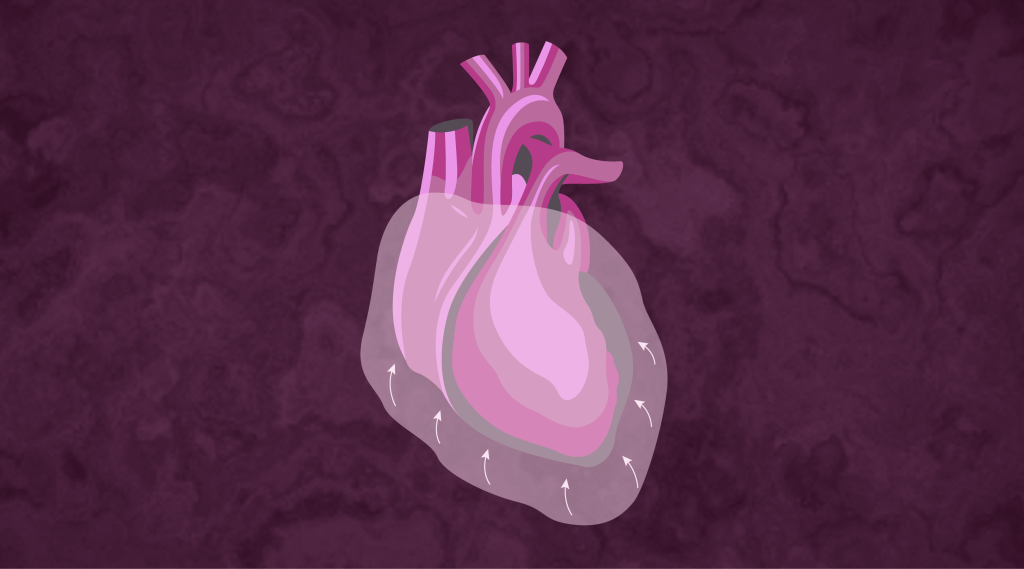
Pericardial effusion is the accumulation of excess fluid in the pericardial sac, the thin membrane surrounding the heart. This buildup can affect the heart’s ability to function properly.
What causes Pericardial Effusion?
Causes include:
- Inflammation of the pericardium (pericarditis) due to infections (viral, bacterial, fungal)
- Injury or trauma to the chest
- Cancer spreading to the pericardium
- Autoimmune diseases such as lupus or rheumatoid arthritis
- Kidney failure causing fluid retention
- Post-cardiac surgery or heart attack
- Radiation therapy to the chest
What are the symptoms of Pericardial Effusion?
Symptoms may vary depending on the amount and rate of fluid accumulation and include:
- Chest pain or discomfort
- Shortness of breath, especially when lying down
- Fatigue
- Cough
- Difficulty swallowing
- Feeling of fullness in the chest
- In severe cases, signs of cardiac tamponade (pressure on the heart), such as low blood pressure, rapid heartbeat, and fainting
How is Pericardial Effusion diagnosed?
Diagnosis methods include:
- Physical examination detecting muffled heart sounds or low blood pressure
- Echocardiogram (ultrasound of the heart) to visualize fluid around the heart
- Chest X-ray and CT scan for further imaging
- Electrocardiogram (ECG) to assess heart rhythm changes
- Pericardiocentesis (needle drainage) for fluid analysis if needed
How is Pericardial Effusion treated?
Treatment depends on the cause and severity:
- Observation if small and asymptomatic
- Medications to treat underlying causes (antibiotics, anti-inflammatory drugs, or steroids)
- Pericardiocentesis to remove excess fluid in cases of significant effusion or cardiac tamponade
- Surgery (pericardial window or pericardiectomy) in recurrent or severe cases

What is the prognosis for Pericardial Effusion?
- Prognosis depends on the underlying cause and timely treatment
- Small effusions often resolve without complications
- Large or rapidly accumulating effusions can cause life-threatening cardiac tamponade if untreated
- Follow-up care is essential to monitor for recurrence
How can patients manage and prevent Pericardial Effusion?
- Seek prompt treatment for infections and inflammatory conditions
- Follow medical advice regarding treatment of underlying diseases
- Report new or worsening symptoms immediately
- Regular follow-ups with healthcare providers to monitor heart health
