


What Is Eosinophilic Granulomatosis with Polyangiitis (EGPA)?
Eosinophilic Granulomatosis with Polyangiitis (EGPA) is a rare autoimmune disease that causes inflammation of blood vessels (vasculitis). It involves the accumulation of eosinophils, a type of white blood cell, in various tissues, which leads to tissue damage. EGPA affects multiple organs, including the lungs, skin, heart, and nervous system. The condition is characterized by asthma, high levels of eosinophils in the blood, and granulomas (clusters of immune cells) in affected tissues.
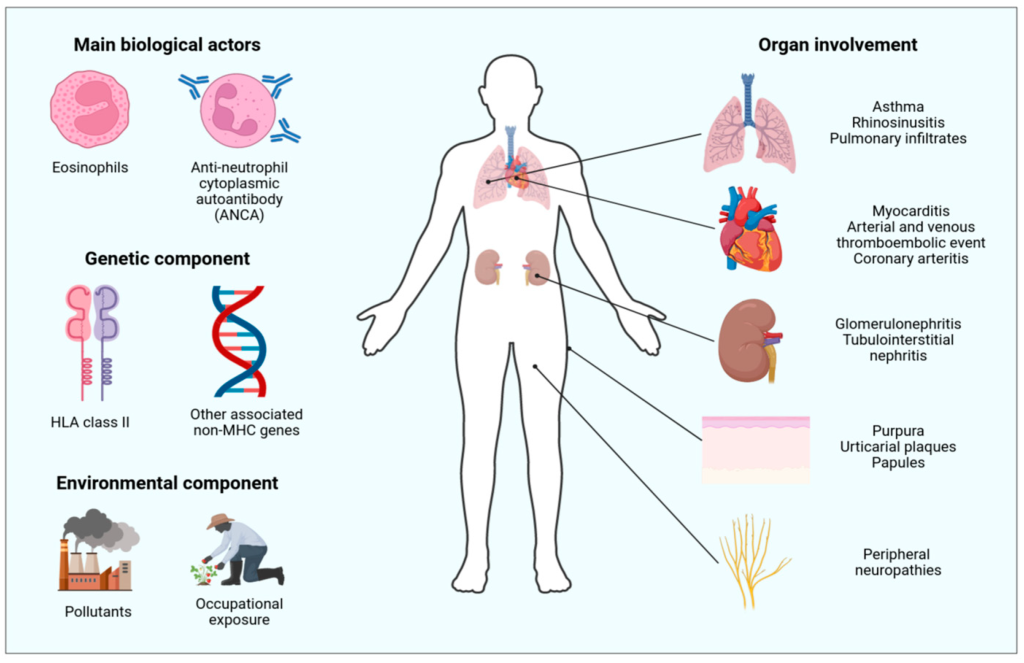
What Causes Eosinophilic Granulomatosis with Polyangiitis (EGPA)?
The exact cause of EGPA is unknown, but it is thought to result from an abnormal immune response. In this condition, the immune system mistakenly attacks the body’s own tissues. Factors that may contribute to EGPA include:
- Genetic factors – Certain genetic predispositions may make some individuals more susceptible to developing EGPA.
- Infections – In some cases, viral infections or other immune system triggers may initiate the disease.
- Environmental factors – Exposure to allergens or pollutants may contribute to the development of EGPA, particularly in individuals with a history of asthma or other allergic conditions.
- Immune system dysfunction – An overactive immune system that produces too many eosinophils may play a significant role in the development of EGPA.
What Are the Symptoms of Eosinophilic Granulomatosis with Polyangiitis (EGPA)?
Symptoms of EGPA can vary depending on the organs affected, but common symptoms include:
- Asthma – The majority of people with EGPA have a history of asthma, which may worsen over time.
- Eosinophilia – Elevated eosinophil levels in the blood are a hallmark of the condition and can cause inflammation in various tissues.
- Fatigue – Chronic fatigue or weakness is common in EGPA due to systemic inflammation.
- Skin rashes – EGPA can cause various types of rashes, including purpura (bruising-like spots), or nodules (lumps under the skin).
- Muscle and joint pain – Inflammation of muscles and joints can lead to pain and stiffness.
- Neurological symptoms – Nerve damage may cause numbness, tingling, or weakness, particularly in the hands and feet.
- Chest pain or difficulty breathing – This may occur due to lung involvement, which can cause inflammation and scarring.
- Kidney problems – In severe cases, EGPA can affect the kidneys, leading to kidney failure.

How Is Eosinophilic Granulomatosis with Polyangiitis (EGPA) Diagnosed?
Diagnosing EGPA can be challenging because its symptoms overlap with other conditions, such as asthma, allergies, or other forms of vasculitis. To diagnose EGPA, doctors usually perform a combination of tests, including:
- Blood tests – These can measure eosinophil levels, kidney function, and other markers of inflammation. High eosinophil levels are often indicative of EGPA.
- Imaging tests – Chest X-rays, CT scans, or MRI scans can help assess lung, heart, and other organ involvement.
- Tissue biopsy – A biopsy of affected tissue, such as from the skin or lungs, may be performed to look for granulomas and other signs of vasculitis.
- Urine tests – Urine tests can check for kidney involvement, as EGPA may cause kidney inflammation or damage.
- Pulmonary function tests – These tests evaluate lung function, especially in people with asthma or respiratory issues.
- Electromyography (EMG) – If there is suspected nerve involvement, an EMG may be used to evaluate muscle and nerve function.
How Is Eosinophilic Granulomatosis with Polyangiitis (EGPA) Treated?
Treatment for EGPA focuses on controlling inflammation, managing symptoms, and preventing organ damage. Common treatments include:
- Corticosteroids – Prednisone or other corticosteroids are the mainstay of treatment for EGPA. These drugs reduce inflammation and suppress the immune system.
- Immunosuppressive drugs – In some cases, drugs such as methotrexate, cyclophosphamide, or azathioprine may be used to suppress the immune system further and reduce eosinophil activity.
- Biologic therapies – Drugs like mepolizumab (Nucala) or reslizumab (Cinqair) may be used to specifically target and reduce eosinophil levels in the blood and tissues.
- Asthma management – In people with asthma, bronchodilators and inhaled corticosteroids may help control respiratory symptoms.
- Plasmapheresis – In severe cases, plasmapheresis (plasma exchange) may be used to remove harmful antibodies from the bloodstream.
- Treatment of organ-specific issues – For example, if EGPA affects the kidneys, specific treatments may be used to manage kidney function.
Can Eosinophilic Granulomatosis with Polyangiitis (EGPA) Be Prevented?
There is currently no known way to prevent EGPA, as the exact cause remains unclear. However, early detection and treatment can help prevent long-term complications and improve the quality of life for individuals living with the condition. Managing asthma, avoiding environmental triggers, and monitoring for early signs of EGPA can help manage the disease.
What Is the Outlook for People with Eosinophilic Granulomatosis with Polyangiitis (EGPA)?
The outlook for people with EGPA varies depending on the severity of the disease and the organs affected. With early and effective treatment, many people can lead normal lives. However, EGPA is a chronic condition that can cause permanent damage to organs like the heart, lungs, and kidneys if left untreated. With the right medications and ongoing management, many individuals can manage their symptoms and live well for many years.
