What Is Klinefelter Syndrome?
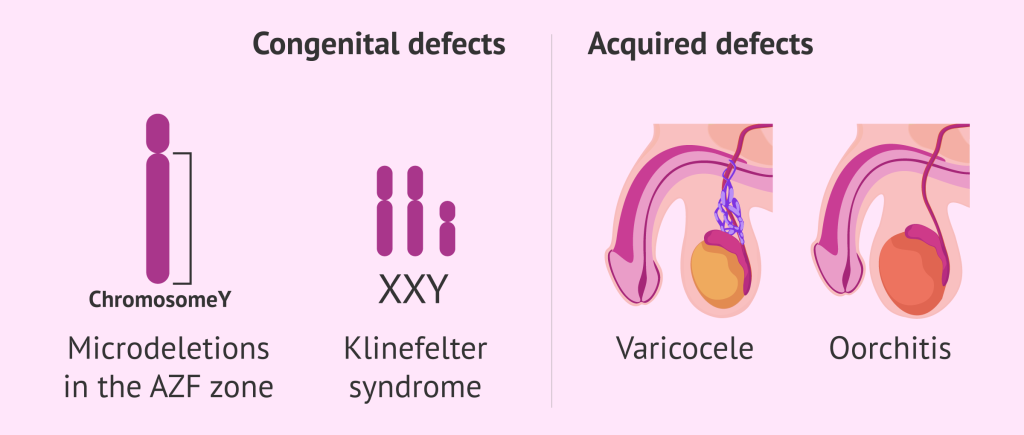
Klinefelter Syndrome (KS) is a genetic condition that occurs in males when they have an extra X chromosome, leading to a 47,XXY karyotype instead of the typical 46,XY. This condition affects the development of physical, cognitive, and reproductive systems. Men with Klinefelter Syndrome often experience a range of symptoms, including infertility, reduced testosterone levels, and developmental delays. However, the severity of these symptoms can vary greatly among individuals.

How Does Klinefelter Syndrome Affect Fertility?
One of the hallmark features of Klinefelter Syndrome is infertility. This is caused by abnormal development of the testicles, leading to low sperm production and, in most cases, azoospermia (the absence of sperm in the semen). The additional X chromosome disrupts the normal function of the testes, impairing testosterone production and affecting sperm maturation. As a result, many men with Klinefelter Syndrome are unable to conceive naturally.
Why Does Klinefelter Syndrome Lead to Infertility?
Testicular Abnormalities
The extra X chromosome leads to testicular atrophy (shrinkage) and spermatogenic failure, where the testicles cannot produce sperm in sufficient quantities. This impairment is a direct result of the genetic abnormality associated with Klinefelter Syndrome.
Hormonal Imbalances
Testosterone, a key hormone in male fertility, is typically low in individuals with Klinefelter Syndrome. Low testosterone levels disrupt the normal hormonal feedback loop required for sperm production, making it more difficult for the body to produce healthy sperm.
Sperm Production Disruptions
In addition to low testosterone levels, the extra X chromosome also impacts the production of other hormones involved in sperm development, leading to abnormal spermatogenesis (the process of sperm production).
What Are the Symptoms of Infertility in Men with Klinefelter Syndrome?
Reduced Testosterone Levels
Infertility is often accompanied by low testosterone levels, which can lead to a variety of symptoms, including decreased libido, fatigue, and muscle weakness.
Small Testes
One physical sign of Klinefelter Syndrome is small testicles. This can be a visible indicator of infertility, as the underdevelopment of the testes affects sperm production and testosterone secretion.
Delayed Puberty
In some cases, men with Klinefelter Syndrome may experience delayed puberty, with delayed or incomplete development of secondary sexual characteristics such as facial hair, deep voice, and muscle growth. This delay in puberty can also contribute to infertility by disrupting the natural progression of the reproductive system.
Erectile Dysfunction
Low testosterone levels can contribute to erectile dysfunction, further complicating the issue of fertility. Men with Klinefelter Syndrome may have difficulty achieving or maintaining an erection, which can affect their ability to conceive.
How Is Infertility Diagnosed in Individuals with Klinefelter Syndrome?
Clinical Examination
The diagnosis of infertility in individuals with Klinefelter Syndrome typically begins with a physical examination, where a healthcare provider may observe signs like small testes and signs of low testosterone levels.
Semen Analysis
A semen analysis is usually performed to assess sperm count, motility, and morphology. In men with Klinefelter Syndrome, the semen analysis often reveals azoospermia (no sperm present) or very low sperm count, which confirms the infertility associated with the condition.
Hormone Testing
Blood tests to measure hormone levels, including testosterone, FSH (follicle-stimulating hormone), and LH (luteinizing hormone), can help diagnose the underlying causes of infertility. Elevated levels of FSH and LH along with low testosterone levels are common in Klinefelter Syndrome and contribute to impaired fertility.
Genetic Testing
Genetic testing, including karyotyping, can confirm the presence of the extra X chromosome and diagnose Klinefelter Syndrome. This test helps differentiate Klinefelter Syndrome from other causes of infertility.
How Is Infertility Treated in Men with Klinefelter Syndrome?
Testosterone Replacement Therapy (TRT)
While testosterone replacement therapy (TRT) cannot directly treat infertility in men with Klinefelter Syndrome, it can help manage symptoms related to low testosterone, such as fatigue, decreased libido, and muscle loss. TRT can improve overall quality of life, but it does not restore fertility.
Sperm Retrieval and Assisted Reproductive Technologies (ART)
In some cases, men with Klinefelter Syndrome may have small amounts of sperm in their testes despite the diagnosis of azoospermia. Techniques such as testicular sperm aspiration (TESA) or testicular sperm extraction (TESE) can be used to retrieve sperm directly from the testes. Once sperm is obtained, it can be used in intracytoplasmic sperm injection (ICSI) to fertilize an egg and assist with conception.
Genetic Counseling
Since Klinefelter Syndrome is a genetic condition, genetic counseling is highly recommended for individuals and couples considering assisted reproduction. A counselor can help assess the risks of passing on the condition and explore reproductive options such as donor sperm if necessary.
In Vitro Fertilization (IVF)
If sperm is successfully retrieved using techniques like TESE or TESA, it can be used in conjunction with in vitro fertilization (IVF) to achieve pregnancy. IVF with ICSI allows for the fertilization of an egg outside the body using sperm extracted directly from the testes.
How Can Men with Klinefelter Syndrome Manage Their Fertility?
Early Intervention
Although fertility problems are common, some men with Klinefelter Syndrome may still be able to father children with the help of assisted reproductive technologies (ART). Early consultation with a fertility specialist can help manage expectations and guide treatment options.
Regular Monitoring
Men with Klinefelter Syndrome should have regular hormonal monitoring to manage testosterone levels and overall reproductive health. This can help prevent complications and address any concerns related to infertility.
Psychological Support
Infertility can be an emotionally challenging aspect of Klinefelter Syndrome. Counseling and support groups can help individuals and couples navigate the emotional difficulties that often accompany infertility and the decision-making process regarding family-building options.
What Are the Prognosis and Long-Term Effects of Infertility in Men with Klinefelter Syndrome?
Chronic Infertility
Infertility in men with Klinefelter Syndrome is typically lifelong due to the genetic nature of the condition. However, with the assistance of ART, many individuals with Klinefelter Syndrome are still able to have biological children.
Emotional and Psychological Impact
The inability to conceive can lead to feelings of sadness, frustration, and stress. Emotional support, counseling, and discussions with fertility specialists can help manage the psychological impact of infertility.
Positive Outcomes with ART
Despite challenges, assisted reproductive technologies have helped many men with Klinefelter Syndrome successfully become fathers. Advances in testicular sperm retrieval and IVF have opened up opportunities for individuals with this condition to build families.