


Liver damage potentially caused by the use of kava, a traditional herbal remedy
What is Kava Liver Toxicity?
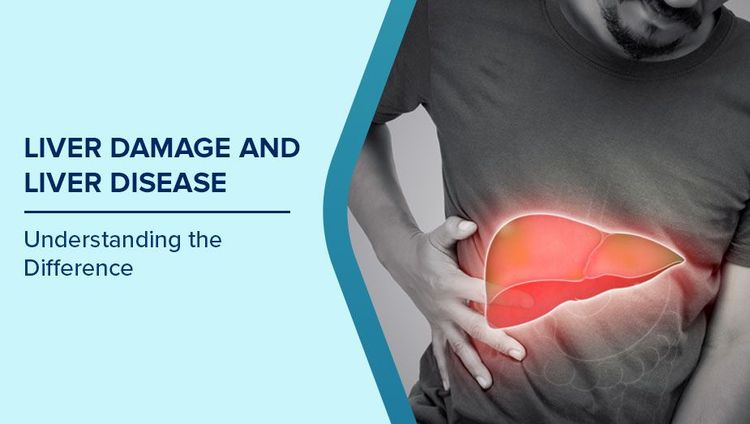
Kava Liver Toxicity refers to liver damage or hepatotoxicity associated with the use of kava (Piper methysticum), a plant native to the South Pacific. Kava is commonly used for its calming, anti-anxiety, and sedative effects. While it has a long history of traditional use, concerns have emerged over its potential to cause serious liver injury, including hepatitis, cirrhosis, liver failure, and in rare cases, death.
What causes Kava Liver Toxicity?
The exact cause is not fully understood, but potential mechanisms include:
- Direct toxicity of certain compounds in kava, especially kavalactones
- Contamination or poor-quality preparation methods, including the use of stems and leaves rather than just roots
- Drug interactions with medications metabolized by the liver
- Genetic susceptibility or preexisting liver disease in some users
- Possible immune-mediated liver injury in rare cases
Who is at risk?
- Individuals who take high doses of kava or use it for a prolonged period
- Those with preexisting liver disease or family history of liver issues
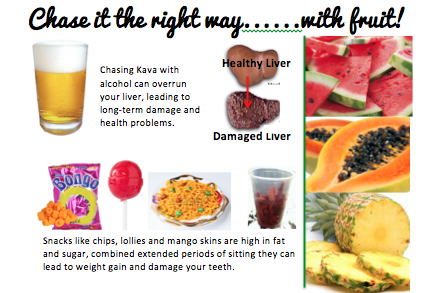
- People using alcohol or other hepatotoxic drugs alongside kava
- Individuals with genetic differences in liver enzyme activity
- Users of non-traditional or commercial kava extracts, especially if not regulated for purity
What are the symptoms of Kava Liver Toxicity?
Symptoms may appear after weeks or months of use and can range from mild to severe:
- Fatigue or weakness
- Loss of appetite
- Nausea and vomiting
- Dark-colored urine
- Jaundice (yellowing of the skin and eyes)
- Abdominal pain, especially in the upper right side
- Itching and pale stools
- In severe cases: acute liver failure, confusion, or coma
How is Kava Liver Toxicity diagnosed?
Diagnosis is based on a combination of clinical history, liver tests, and ruling out other causes:
- Liver function tests (LFTs) – to check for elevated liver enzymes (ALT, AST, ALP, bilirubin)
- Patient history – documenting kava usage, dosage, and duration
- Imaging (ultrasound or CT) – to assess liver structure
- Liver biopsy – in some cases to identify the extent and nature of liver injury
- Exclusion of viral, alcoholic, autoimmune, and other causes of liver damage
How is Kava Liver Toxicity treated?
- Immediate discontinuation of kava use is essential
- Supportive care – for mild liver injury, the liver may recover with rest, hydration, and nutrition
- Hospitalization – in cases of severe hepatitis or liver failure
- Liver transplant – may be required in extreme cases of irreversible liver damage
- Avoidance of alcohol and other hepatotoxic drugs during recovery
What is the prognosis for Kava Liver Toxicity?
- Most people recover fully once kava is discontinued, especially if liver injury is detected early
- In severe cases, damage can be permanent, and liver transplantation may be the only option
- Monitoring liver function in people using herbal supplements is crucial
Can Kava Liver Toxicity be prevented?
Yes, prevention is possible with proper awareness and caution:
- Avoid prolonged or high-dose kava use, especially from unverified sources
- Use only traditional root-based kava preparations if you choose to take it
- Do not combine kava with alcohol or liver-metabolized medications
- Get regular liver function tests if you use kava regularly
- Always consult a healthcare provider before using herbal supplements, especially if you have liver concerns
