


What is Blood Sugar Imbalance?
- Blood sugar imbalance occurs when glucose levels in the blood are too low or too high
- Common in people with diabetes, but can affect others as well
- Can lead to short-term symptoms and long-term health complications if untreated

Types of Blood Sugar Imbalance
Hypoglycemia
- Occurs when blood sugar levels drop too low
- Typically below 70 mg per deciliter
- Requires immediate attention to avoid severe complications
Hyperglycemia
- Occurs when blood sugar levels rise too high
- Generally above 180 mg per deciliter after meals or 130 mg per deciliter when fasting
- Common in people with diabetes or insulin resistance
What causes Hypoglycemia?
- Skipping meals or not eating enough
- Too much insulin or diabetes medication
- Intense physical activity without enough food
- Alcohol consumption without food
- Hormonal imbalances or other medical conditions
What causes Hyperglycemia?
- Insufficient insulin or diabetes medication
- Eating too many carbohydrates or sugary foods
- Illness or infection
- Lack of physical activity
- Stress or hormonal changes
Symptoms of Hypoglycemia
- Shaking or trembling
- Sweating
- Hunger
- Dizziness or lightheadedness
- Confusion or irritability
- Rapid heartbeat
- Fainting or seizures (in severe cases)
Symptoms of Hyperglycemia
- Frequent urination
- Increased thirst
- Blurred vision
- Fatigue
- Headaches
- Slow-healing wounds
- Fruity-smelling breath (in extreme cases)
How is Blood Sugar Imbalance diagnosed?
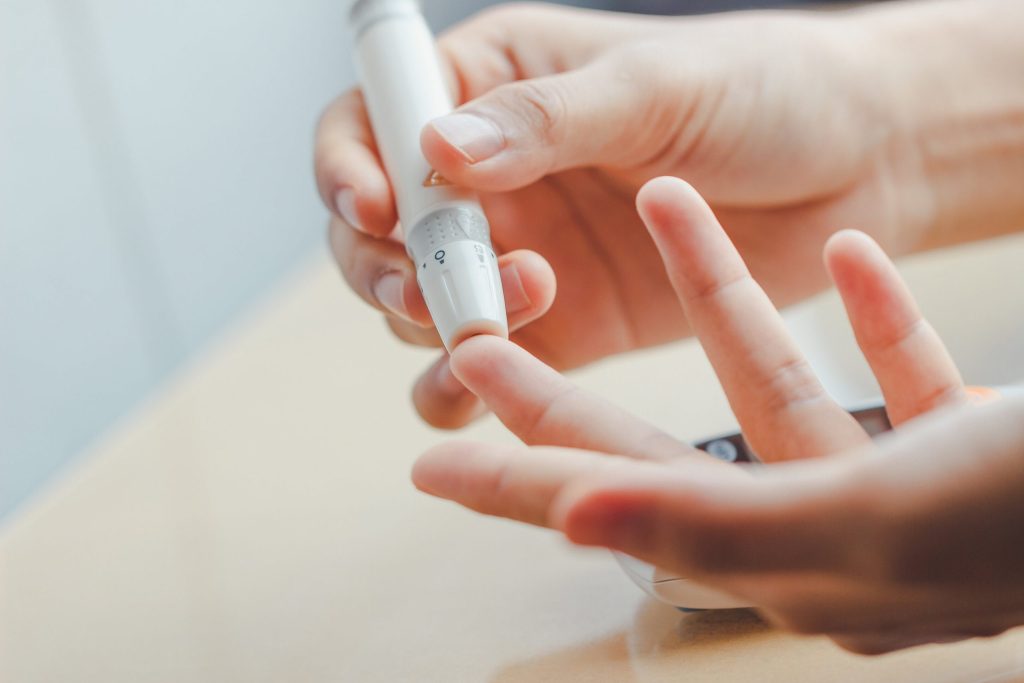
- Blood glucose testing with a glucometer
- A1C test to measure average blood sugar over time
- Continuous glucose monitoring for diabetic patients
- Evaluation of symptoms and medical history
How is Hypoglycemia treated?
- Consume fast-acting carbohydrates (juice, glucose tablets)
- Follow with a balanced meal or snack
- Adjust medications if necessary
- Monitor levels frequently
- Consult a doctor for recurrent episodes
How is Hyperglycemia treated?
- Adjust insulin or diabetes medications
- Increase physical activity
- Drink plenty of water
- Follow a low-sugar, balanced diet
- Treat underlying illness or infection
- Seek medical help if levels stay high
What are the complications of Blood Sugar Imbalance?
- Loss of consciousness (from severe hypoglycemia)
- Diabetic ketoacidosis (from prolonged hyperglycemia)
- Nerve damage
- Vision loss
- Kidney disease
- Heart disease or stroke
- Poor wound healing and infections
How can Blood Sugar Imbalance be prevented?
- Eat regular, balanced meals
- Monitor blood sugar levels consistently
- Take medications exactly as prescribed
- Avoid skipping meals or overdosing on insulin
- Exercise regularly
- Manage stress and get enough sleep
- Schedule regular checkups with your doctor
When should you see a doctor?
- If blood sugar levels are often too high or low
- If symptoms are frequent or severe
- If medications don’t seem to be working
- If you feel faint, confused, or very ill
- For a personalized diabetes management plan
