what is Quinolone Hypersensitivity?
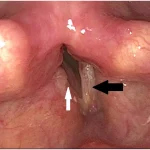
Quinolone hypersensitivity refers to allergic reactions triggered by quinolone antibiotics, such as ciprofloxacin, levofloxacin, and moxifloxacin. These reactions can range from mild skin rashes to severe, life-threatening conditions like anaphylaxis. Notably, moxifloxacin has been associated with a higher risk of anaphylaxis compared to other quinolones.
Causes and Risk Factors?
Immune-Mediated Reactions
Quinolones can induce both immediate (IgE-mediated) and delayed (T-cell-mediated) hypersensitivity reactions. Immediate reactions occur within an hour of drug administration and can lead to symptoms like hives, swelling, and anaphylaxis. Delayed reactions manifest hours to days after exposure and may include skin rashes and other systemic symptoms.
Risk Factors
- Previous Drug Allergies: Individuals with a history of allergies to other medications, particularly beta-lactams, are at increased risk.
- Prior Quinolone Exposure: Sensitization from previous quinolone use can predispose to hypersensitivity reactions upon re-exposure.
- Genetic Predisposition: Certain genetic factors may increase susceptibility to drug allergies, though specific markers for quinolone hypersensitivity are not well-defined.
- High-Dose or Prolonged Use: Extended or high-dose quinolone therapy may elevate the risk of developing hypersensitivity. DynaMed
Symptoms and Clinical Features?
Immediate Reactions
- Urticaria (Hives): Raised, itchy welts on the skin.
- Angioedema: Swelling of the deeper layers of the skin, often around the eyes and lips.
- Anaphylaxis: A severe, potentially life-threatening allergic reaction that can include difficulty breathing, rapid heartbeat, and a drop in blood pressure.
Delayed Reactions
- Maculopapular Rash: Flat or raised red spots on the skin.
- Fixed Drug Eruption: Recurrent lesions at the same site upon re-exposure to the drug.
- Severe Cutaneous Adverse Reactions (SCARs): Including Stevens-Johnson syndrome (SJS) and toxic epidermal necrolysis (TEN), which are rare but serious conditions characterized by widespread skin detachment and mucous membrane involvement.
Diagnosis?
Clinical History
A detailed history of the reaction, including timing, symptoms, and previous drug exposures, is crucial for diagnosis.
Skin Testing
Skin tests may be performed, but their sensitivity and specificity for quinolone hypersensitivity are variable and not well-established.
In Vitro Tests
Tests such as the basophil activation test (BAT) can be useful, especially for immediate reactions, but are not widely available.
Drug Provocation Test (DPT)
Considered the gold standard for diagnosis, DPT involves administering the drug under controlled conditions to observe for reactions. However, it carries risks and should only be performed in specialized settings.
Treatment and Management?
Immediate Discontinuation
The offending quinolone should be stopped immediately upon suspicion of hypersensitivity.
Supportive Care
- Antihistamines: To alleviate mild allergic symptoms.
- Corticosteroids: May be used for more severe reactions.
- Epinephrine: Administered in cases of anaphylaxis.
Desensitization
In rare cases where no alternative antibiotics are available, desensitization protocols may be considered under specialist supervision.

Prevention?
Avoidance
Patients with known quinolone hypersensitivity should avoid all quinolones unless evaluated and advised otherwise by an allergist.
Medical Alert Identification
Wearing medical alert bracelets or carrying information about the allergy can be crucial in emergency situations.
Prognosis?
With prompt recognition and appropriate management, most individuals recover fully from quinolone-induced hypersensitivity reactions. However, severe reactions can lead to significant morbidity and, in rare cases, mortality.