


What is Coronary Artery Disease?
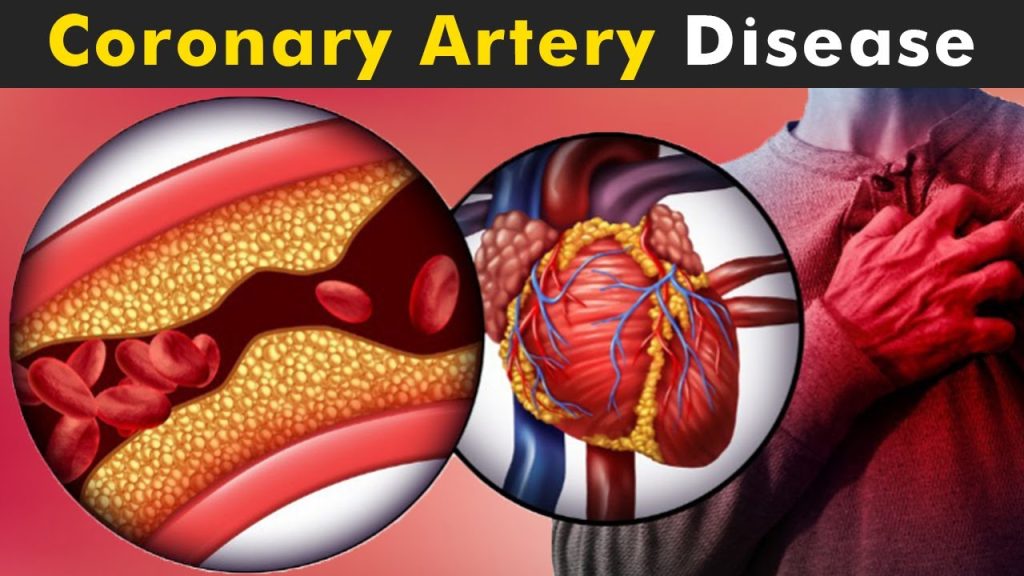
Coronary Artery Disease (CAD) is a heart condition that occurs when the blood vessels supplying blood to the heart muscle (coronary arteries) become narrowed or blocked due to the buildup of fatty deposits called plaque. Over time, the plaque can restrict blood flow, leading to reduced oxygen supply to the heart muscle, which can result in chest pain (angina), heart attack, or other serious heart problems. CAD is a leading cause of death worldwide.
What Causes Coronary Artery Disease?
The primary cause of CAD is atherosclerosis, a condition where plaque builds up inside the coronary arteries. This process is largely driven by risk factors such as:
- High cholesterol: Elevated levels of LDL (low-density lipoprotein) or “bad” cholesterol can lead to plaque formation, increasing the risk of narrowing and hardening of the arteries.
- High blood pressure: Hypertension puts added pressure on the artery walls, which can damage them and make it easier for plaque to build up.
- Smoking: Smoking damages the blood vessels, promotes plaque buildup, and reduces the oxygen in the blood, making CAD more likely.
- Diabetes: People with diabetes are at a higher risk of CAD because high blood sugar can damage blood vessels and lead to atherosclerosis.
- Obesity: Being overweight increases the risk of high blood pressure, high cholesterol, and diabetes, all of which contribute to the development of CAD.
- Sedentary lifestyle: Lack of physical activity can contribute to weight gain, high cholesterol, high blood pressure, and diabetes, all of which increase the risk of CAD.
- Unhealthy diet: Diets high in unhealthy fats, processed foods, and sugars can contribute to the development of CAD.
- Genetics: A family history of heart disease can increase your risk of CAD, as certain genetic factors can make you more likely to develop atherosclerosis.
- Age: The risk of CAD increases with age, particularly after the age of 45 for men and 55 for women.
- Gender: Men are more likely to develop CAD at a younger age, but women’s risk increases significantly after menopause.
What Are the Symptoms of Coronary Artery Disease?
In the early stages, CAD may not cause noticeable symptoms. As the condition progresses and blood flow to the heart becomes restricted, symptoms can develop. Common symptoms of CAD include:
- Chest pain (Angina): This is the most common symptom of CAD. It may feel like pressure, squeezing, or tightness in the chest. The pain may also radiate to the arms, shoulders, neck, back, or jaw.
- Shortness of breath: Reduced blood flow to the heart can make it harder for the heart to pump blood, causing shortness of breath, especially during physical activity.
- Fatigue: Feeling unusually tired or fatigued, especially during physical exertion, can be a symptom of CAD.
- Heart palpitations: Some people with CAD may experience an irregular heartbeat or sensation of their heart pounding in their chest.
- Dizziness or lightheadedness: Insufficient blood flow to the brain can cause feelings of dizziness or fainting.
- Nausea and sweating: In some cases, especially during a heart attack, you may experience nausea, sweating, or discomfort in the upper abdomen.

How is Coronary Artery Disease Diagnosed?
If you have symptoms of CAD, your doctor will perform a series of tests to confirm the diagnosis. These tests may include:
- Physical examination: Your doctor will assess your general health, listen to your heart, check your blood pressure, and inquire about your symptoms.
- Blood tests: Blood tests can be used to check cholesterol levels, blood sugar levels, and markers of inflammation, all of which can help diagnose CAD.
- Electrocardiogram (ECG or EKG): This test records the electrical activity of the heart, helping to detect any irregularities or signs of a heart attack.
- Stress testing: Stress tests involve monitoring your heart while you exercise (or while you are given medication to simulate exercise). This helps to evaluate how well your heart performs under stress.
- Echocardiogram: An echocardiogram uses sound waves to create images of your heart, allowing doctors to see how well the heart is pumping and if there is any damage to the heart muscle.
- Coronary angiography: This is a specialized X-ray procedure that uses a contrast dye injected into the coronary arteries to identify any blockages or narrowing of the arteries.
- CT coronary angiogram: This non-invasive test uses a CT scan to check for the presence of plaque or blockages in the coronary arteries.
How is Coronary Artery Disease Treated?
Treatment for CAD depends on the severity of the condition and may involve lifestyle changes, medications, or procedures to restore blood flow to the heart. Common treatment options include:
- Lifestyle changes: Making healthy changes in your diet, exercise habits, and stress management can help control CAD. A heart-healthy diet, regular physical activity, smoking cessation, and weight loss are essential steps in managing CAD.
- Medications: Several medications may be prescribed to treat CAD and its risk factors:
- Statins to lower cholesterol levels.
- Aspirin to reduce the risk of blood clots.
- Beta-blockers to lower heart rate and reduce blood pressure.
- ACE inhibitors to help relax blood vessels and reduce blood pressure.
- Calcium channel blockers to help relax blood vessels and improve blood flow.
- Nitroglycerin to relieve chest pain.
- Angioplasty and stenting: If a coronary artery is narrowed or blocked, a procedure called angioplasty may be performed. During this procedure, a catheter is inserted into the artery, and a small balloon is inflated to open the artery. A stent (a tiny mesh tube) may be placed to keep the artery open.
- Coronary artery bypass grafting (CABG): In more severe cases of CAD, surgery may be needed to bypass blocked coronary arteries. A healthy blood vessel from another part of the body is used to create a new route for blood flow to the heart.
How to Prevent Coronary Artery Disease
While some risk factors, such as age and family history, cannot be changed, many lifestyle changes can significantly reduce the risk of CAD. Preventive measures include:
- Eat a heart-healthy diet: Focus on fruits, vegetables, whole grains, lean proteins, and healthy fats. Limit saturated fats, trans fats, and high-sodium foods.
- Exercise regularly: Aim for at least 30 minutes of moderate-intensity exercise most days of the week.
- Maintain a healthy weight: Losing excess weight can reduce the risk of high blood pressure, high cholesterol, and diabetes, all of which increase the risk of CAD.
- Quit smoking: Smoking cessation is one of the most important steps to reduce the risk of CAD.
- Limit alcohol intake: Drinking alcohol in moderation or not at all can help lower the risk of CAD.
- Manage stress: Practice stress-reducing techniques like deep breathing, meditation, or yoga to help reduce the impact of stress on your heart health.
- Regular check-ups: Regular visits to the doctor for blood pressure checks, cholesterol screenings, and diabetes monitoring can help detect and manage risk factors early.
When to See a Doctor
If you experience any of the following symptoms, it’s important to seek medical attention:
- Chest pain or discomfort (especially if it radiates to the arms, back, neck, or jaw).
- Shortness of breath or difficulty breathing.
- Dizziness or fainting.
- Fatigue or weakness, especially during physical exertion.
- Irregular heartbeat or palpitations.