


What Is an Intestinal Infection?
An intestinal infection, also known as gastroenteritis, is an inflammation of the stomach and intestines caused by harmful microorganisms like bacteria, viruses, or parasites. These infections can lead to symptoms such as diarrhea, abdominal cramps, nausea, and vomiting. While often mild and self-limiting, some cases can be severe and require medical attention.
Intestinal infections are common worldwide and are a leading cause of illness, especially in children, travelers, and people with weakened immune systems.
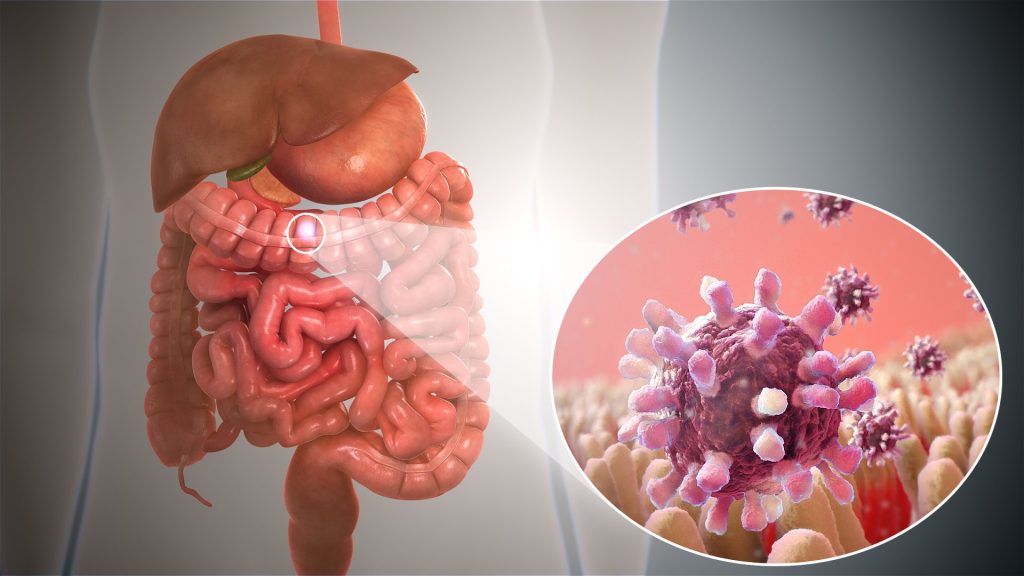
What Causes an Intestinal Infection?
Intestinal infections are caused by several types of pathogens:
1. Viruses (most common)
- Norovirus
- Rotavirus
- Adenovirus
- Astrovirus
2. Bacteria
- Salmonella
- Escherichia coli (E. coli)
- Shigella
- Campylobacter
- Clostridioides difficile (C. diff)
3. Parasites
- Giardia lamblia
- Entamoeba histolytica
- Cryptosporidium
Infections are often contracted through:
- Contaminated food or water
- Poor hand hygiene
- Contact with infected individuals
- Travel to areas with poor sanitation
What Are the Symptoms of an Intestinal Infection?
Symptoms can vary depending on the type of infection but often include:
- Watery or bloody diarrhea
- Abdominal pain or cramping
- Nausea and vomiting
- Fever and chills
- Loss of appetite
- Fatigue or weakness
- Dehydration (especially in children or the elderly)
Symptoms usually appear within a few hours to a few days after exposure and may last from a couple of days to over a week.
How Is an Intestinal Infection Diagnosed?
Diagnosis may be based on symptoms alone, but if symptoms are severe, persistent, or involve blood in the stool, further tests may be needed:
- Stool sample analysis (to identify bacteria, viruses, or parasites)
- Blood tests (to check for dehydration or infection)
- Rapid antigen tests (for viruses like rotavirus or norovirus)
- Endoscopy (in rare or chronic cases)
Travel history, food intake, and contact with sick individuals also help with diagnosis.
How Is an Intestinal Infection Treated?
1. Supportive Care (Mainstay for Most Cases):
- Oral rehydration with fluids and electrolytes
- Rest and a bland diet (like rice, bananas, toast)
- Avoiding caffeine, dairy, and fatty foods during recovery
2. Medications (Depending on Cause):
- Antibiotics (for certain bacterial infections like Shigella or C. diff)
- Antiparasitic drugs (e.g., metronidazole for giardiasis)
- Antidiarrheal medications (like loperamide – not recommended for all infections)
Note: Antibiotics are not effective for viral infections and may be harmful in some cases like E. coli O157:H7.
What Are the Complications of Intestinal Infections?
If untreated or severe, intestinal infections can lead to:
- Severe dehydration
- Electrolyte imbalances
- Kidney problems
- Sepsis or systemic infection
- Chronic bowel problems (like post-infectious IBS)
Children, the elderly, and immunocompromised individuals are at higher risk for complications.
How Can Intestinal Infections Be Prevented?
You can reduce your risk by following these prevention tips:
- Wash hands thoroughly before eating and after using the restroom
- Drink safe water (use bottled or boiled water while traveling)
- Cook food thoroughly and avoid undercooked meats
- Avoid raw fruits and vegetables if unsure of their cleanliness (especially when traveling)
- Get vaccinated (e.g., rotavirus vaccine for infants)
- Practice safe food storage and hygiene
When Should You See a Doctor?
Seek medical help if you experience:
- Diarrhea lasting more than 2–3 days
- High fever or severe abdominal pain
- Bloody stools
- Signs of dehydration (dry mouth, dizziness, low urine output)
- Symptoms in infants, elderly individuals, or those with weakened immune systems
