


What is Biliary Fistula?
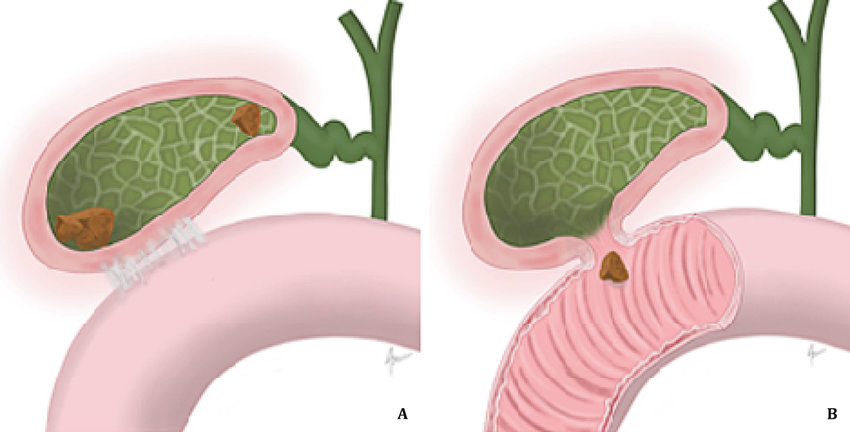
• A biliary fistula is an abnormal connection between the bile ducts and another organ or surface
• It can cause bile to leak into areas where it shouldn’t, leading to complications
• It may be external (bile leaking to the skin) or internal (bile entering another organ like the intestines)
• Often a complication of gallbladder surgery, trauma, or bile duct obstruction
What Causes Biliary Fistula?
• Gallbladder or bile duct surgery (especially cholecystectomy)
• Gallstones eroding into nearby organs
• Bile duct injury or trauma
• Infections or abscesses in the liver or bile ducts
• Cancer of the biliary system or nearby organs
• Inflammatory diseases like Crohn’s or pancreatitis
What Are the Symptoms?
• Persistent bile drainage from a surgical wound (external fistula)
• Abdominal pain or discomfort
• Fever or chills (if infection is present)
• Jaundice (yellowing of the skin and eyes)
• Nausea or vomiting
• Unexplained weight loss
• Symptoms of sepsis in severe cases
How is Biliary Fistula Diagnosed?
• Physical exam and review of medical history
• Blood tests to check for infection and liver function
• Imaging tests such as ultrasound, CT scan, or MRI
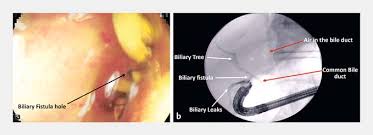
• ERCP (Endoscopic Retrograde Cholangiopancreatography) to locate and assess the fistula
• Fistulography (a contrast dye test for external fistulas)
What is the Treatment?
Treatment depends on the type, cause, and severity of the fistula:
• Antibiotics for infection control
• Nutritional support if needed
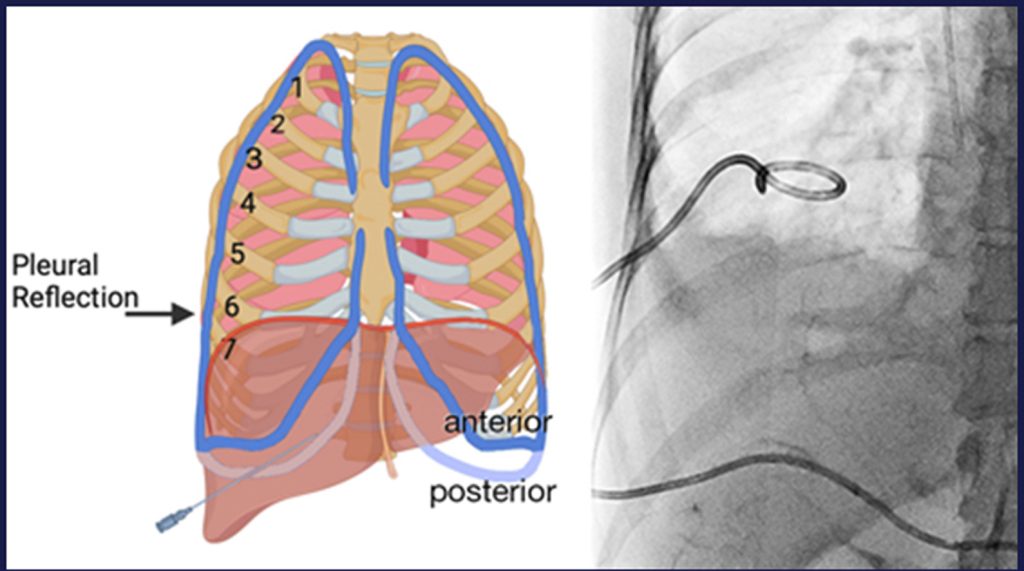
• Bile drainage management using catheters
• ERCP procedures to place stents or close the fistula
• Surgery to repair or remove the fistula in complex cases
• Treating underlying causes like gallstones or cancer
What Are the Complications?
• Bile leakage leading to peritonitis
• Infection and abscess formation
• Sepsis in severe cases
• Malnutrition from bile loss
• Bowel or liver damage (in internal fistulas)
How Can It Be Prevented?
• Careful surgical techniques during gallbladder or bile duct surgeries
• Early treatment of gallstones or infections
• Monitoring and managing bile duct injuries
• Prompt follow-up care after abdominal surgeries
When to Seek Medical Help
• Persistent bile drainage from any wound
• Yellowing of the skin or eyes
• Abdominal pain or fever after surgery
• Symptoms of infection or sepsis
• Any unusual fluid discharge after gallbladder or liver procedures
