


What is Latent TB Infection?
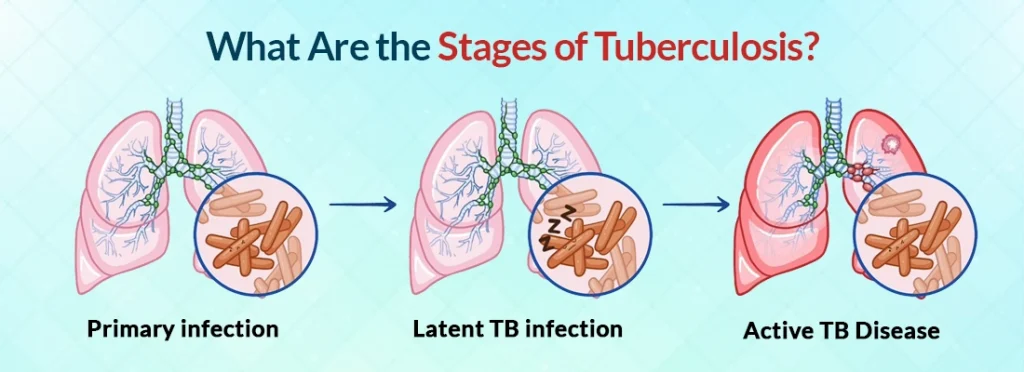
Latent tuberculosis (TB) infection is a condition in which a person is infected with the Mycobacterium tuberculosis bacteria but does not have active TB disease. In latent TB, the bacteria remain dormant in the body and do not cause symptoms. Individuals with latent TB are not contagious and cannot spread the infection to others. However, latent TB can potentially develop into active TB disease if the immune system weakens, leading to the onset of symptoms and contagiousness.
Types of TB Infection?
Tuberculosis infection is classified into two main categories:
- Latent TB Infection (LTBI): In this form, the bacteria are present in the body but inactive. There are no symptoms, and the individual is not contagious.
- Active TB Disease: This is when the bacteria become active, multiply, and cause symptoms such as coughing, weight loss, night sweats, and fatigue. Active TB can be contagious and requires treatment to prevent the spread to others.
Causes of Latent TB Infection?
Latent TB occurs when a person is exposed to someone with active tuberculosis. The infection spreads through the air when a person with active TB coughs, sneezes, or speaks. After inhaling the bacteria, the immune system may contain the infection, preventing it from causing disease. Some factors that increase the risk of latent TB include:
- Close contact with someone with active TB: Living or working with individuals who have untreated active TB increases the risk of exposure.
- Weakened immune system: People with weakened immune systems, such as those with HIV/AIDS, or those taking immunosuppressive drugs, are at higher risk of developing latent TB.
- Travel to regions with high TB rates: People who travel to or live in areas where TB is prevalent are more likely to become infected.
Symptoms of Latent TB Infection?
Latent TB infection does not cause symptoms, and individuals with the condition usually feel healthy. Since the bacteria remain inactive in the body, there are no signs of illness, and people with latent TB cannot spread the infection to others.
Diagnosis of Latent TB Infection?
The diagnosis of latent TB infection involves several methods:
- Tuberculin Skin Test (TST): A small amount of purified protein derivative (PPD) is injected under the skin. If a person has been exposed to TB, they will develop a raised bump at the injection site after 48-72 hours.
- Interferon-Gamma Release Assays (IGRAs): These blood tests measure the immune system’s response to TB bacteria. IGRAs, such as QuantiFERON®-TB Gold, are an alternative to the TST.
- Chest X-ray: If a person tests positive for latent TB, a chest X-ray may be conducted to rule out active TB, as a normal X-ray suggests no active disease.
- Medical history and risk factors: A healthcare provider will review an individual’s medical history and risk factors to determine the likelihood of latent TB.

Treatment and Management of Latent TB Infection?
Treatment for latent TB infection aims to prevent the development of active TB disease. Not everyone with latent TB needs treatment, but for those at high risk of developing active TB, treatment is recommended. The main treatment options include:
- Isoniazid (INH): This antibiotic is commonly prescribed for 6 to 9 months. It works by killing the TB bacteria and preventing the infection from becoming active.
- Rifampin (RIF): An alternative to isoniazid, especially in cases of drug resistance or contraindications to INH. Rifampin is usually taken for 4 months.
- Combination therapy: In some cases, a combination of isoniazid and rifapentine may be prescribed, often over a shorter treatment period (12 weeks).
- Directly Observed Therapy (DOT): In some cases, healthcare providers may recommend DOT, where a healthcare worker directly observes the patient taking their medication to ensure proper adherence.
It is important to complete the full course of treatment to reduce the risk of developing active TB and to prevent drug resistance.
Possible Complications of Latent TB Infection?
While latent TB itself does not cause complications, untreated latent TB can lead to the development of active TB disease, which can cause serious health problems, including:
- Lung damage: Active TB can severely damage the lungs, making breathing difficult.
- Spread of infection: Active TB is contagious and can be transmitted to others, leading to outbreaks in communities.
- Drug-resistant TB: If latent TB is not treated properly, it can result in the development of drug-resistant TB, making the disease more difficult to treat.
Prevention of Latent TB Infection?
Preventing latent TB focuses on reducing the risk of exposure to TB bacteria and treating latent TB infections before they develop into active disease. Measures include:
- Vaccination: The BCG vaccine (Bacillus Calmette–Guérin) can provide some protection against TB, particularly in children.
- Screening: Regular screening for TB, especially for individuals at high risk (e.g., healthcare workers, people with weakened immune systems), can help detect latent TB early.
- Prompt treatment: Individuals diagnosed with latent TB infection should begin treatment as prescribed to reduce the risk of developing active TB disease.
When to See a Doctor?
Consult a healthcare provider if you:
- Have been in close contact with someone diagnosed with active TB.
- Are at high risk of TB (e.g., due to HIV, immunosuppressive treatment, or travel to areas with high TB rates).
- Are experiencing symptoms of active TB, such as a persistent cough, unexplained weight loss, night sweats, or fatigue.