


What is Fat-Soluble Vitamin Deficiency?
Fat-soluble vitamin deficiency occurs when the body doesn’t get enough of one or more vitamins that dissolve in fat. These include vitamins A, D, E, and K. These vitamins are absorbed through the intestines along with dietary fat and stored in the body’s fat tissues and liver.
A deficiency in any of these vitamins can lead to serious health problems if not addressed.
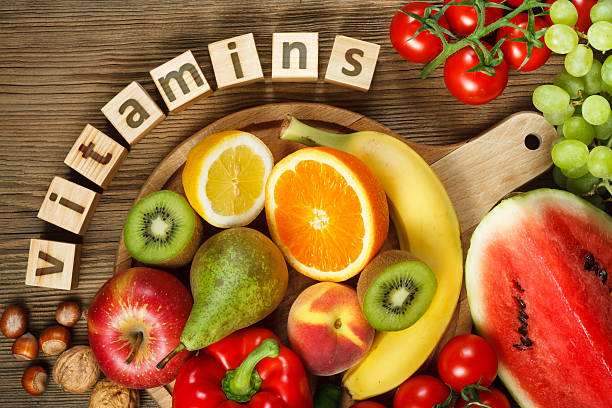
What Are the Fat-Soluble Vitamins?
- Vitamin A – important for vision, immune function, and skin health
- Vitamin D – essential for bone health, calcium absorption, and immune support
- Vitamin E – protects cells from damage, supports immunity and skin health
- Vitamin K – necessary for blood clotting and bone strength
What Causes Fat-Soluble Vitamin Deficiency?
Several factors can lead to deficiencies, such as:
- Poor dietary intake or restrictive diets
- Malabsorption disorders like celiac disease, Crohn’s disease, or cystic fibrosis
- Liver or pancreatic disease
- Weight-loss surgery (e.g., gastric bypass)
- Chronic alcohol use
- Fat digestion problems due to bile or enzyme deficiency
What Are the Symptoms?
The symptoms vary depending on which vitamin is deficient:
Vitamin A deficiency:
- Night blindness
- Dry eyes and skin
- Increased risk of infections
Vitamin D deficiency:
- Bone pain or soft bones (osteomalacia in adults, rickets in children)
- Muscle weakness
- Fatigue
- Increased risk of fractures
Vitamin E deficiency:
- Muscle weakness
- Vision problems
- Nerve damage (tingling, balance issues)
- Weakened immune function
Vitamin K deficiency:
- Easy bruising
- Excessive bleeding or poor clotting
- Blood in stool or urine (in severe cases)
How is It Diagnosed?
Diagnosis involves:
- Medical history and physical exam
- Blood tests to check levels of specific fat-soluble vitamins
- Additional tests for underlying conditions causing poor absorption
How is It Treated?
Treatment depends on the severity and underlying cause:
- Vitamin supplements (oral or injections in severe cases)
- Dietary changes to include foods rich in the deficient vitamins
- Treating the root cause of malabsorption, such as managing digestive disorders
- Enzyme or bile replacement therapy in cases of pancreatic or liver disease
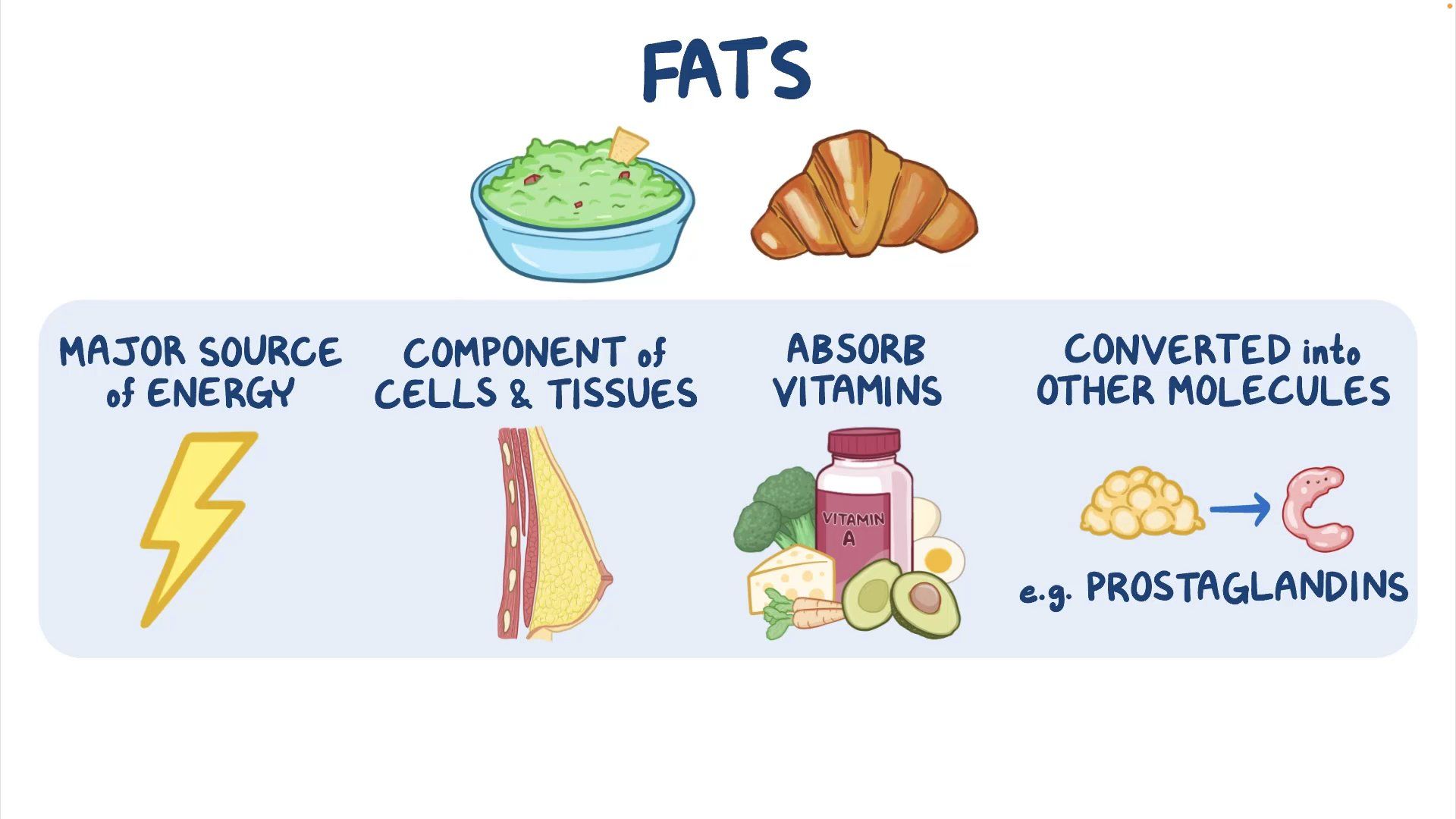
Foods Rich in Fat-Soluble Vitamins
- Vitamin A: Liver, dairy products, carrots, sweet potatoes, leafy greens
- Vitamin D: Fatty fish, egg yolks, fortified dairy, sunlight exposure
- Vitamin E: Nuts, seeds, vegetable oils, spinach, avocado
- Vitamin K: Leafy greens (like kale and spinach), broccoli, Brussels sprouts
Can It Be Prevented?
Yes, in many cases. Prevention includes:
- Eating a balanced diet with healthy fats and nutrient-rich foods
- Managing any digestive or liver conditions properly
- Taking supplements if you’re at high risk or after surgeries that affect absorption
- Regular check-ups if you have chronic health issues that affect digestion
