


What Are Endometriotic Cysts?
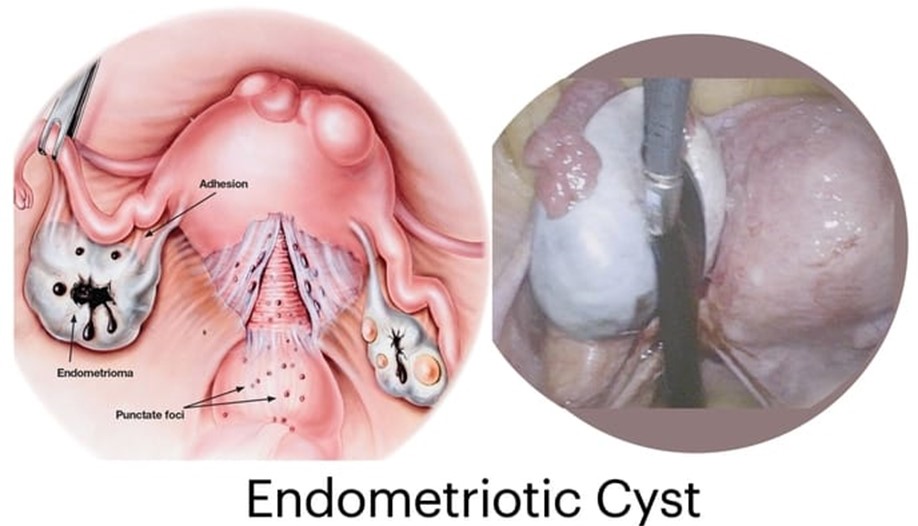
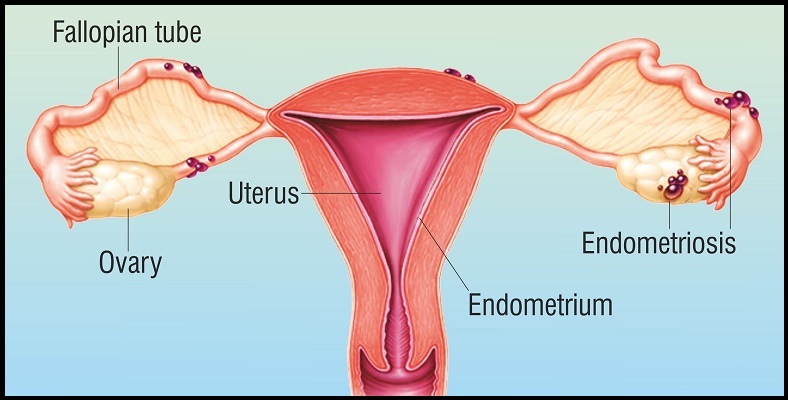
Endometriotic cysts, also known as endometriomas or chocolate cysts, are cysts that develop when tissue similar to the lining of the uterus (endometrium) grows outside the uterus. These cysts are commonly found on the ovaries and are associated with a condition called endometriosis. Endometriotic cysts occur when endometrial tissue forms cysts filled with old blood, giving them a dark, chocolate-like appearance.
What Causes Endometriotic Cysts?
The exact cause of endometriotic cysts is not fully understood, but several theories have been proposed. The most widely accepted explanation is retrograde menstruation, which occurs when menstrual blood containing endometrial cells flows backward through the fallopian tubes into the pelvic cavity instead of leaving the body. These cells can then implant on the ovaries, fallopian tubes, or other organs, forming cysts over time. Other potential contributing factors include genetic predisposition, immune system dysfunction, and hormonal imbalances.
Who Is at Risk for Endometriotic Cysts?
Endometriotic cysts are most commonly found in women of reproductive age, particularly those in their 30s and 40s. Women who have endometriosis are at a higher risk of developing endometriomas. Additional risk factors may include:
- Family history: Women with a mother or sister who has endometriosis may be more likely to develop endometriotic cysts.
- Never giving birth: Women who have never been pregnant may have a higher risk of endometriosis.
- Menstrual history: Starting menstruation at an early age or having longer or heavier menstrual periods can increase the risk.
What Are the Symptoms of Endometriotic Cysts?
Many women with endometriotic cysts experience few or no symptoms, especially in the early stages. However, when symptoms do occur, they can include:
- Pelvic pain: This is often the most common symptom, especially during menstruation. The pain may become more intense over time.
- Heavy menstrual bleeding: Women with endometriomas may experience heavy periods or spotting between periods.
- Pain during intercourse: Endometriomas may cause pain during or after sexual intercourse, particularly deep penetration.
- Painful bowel movements or urination: This may occur, particularly during menstruation, if the cysts are near the bladder or bowel.
- Infertility: Endometriotic cysts can interfere with fertility by affecting the ovaries, fallopian tubes, or other reproductive organs.
In some cases, women with endometriomas may experience no symptoms at all, and the cysts are discovered incidentally during routine pelvic exams or imaging tests.
How Are Endometriotic Cysts Diagnosed?
To diagnose endometriotic cysts, a healthcare provider will typically start with a pelvic exam and may order additional tests, including:
- Ultrasound: This imaging test can help detect cysts in the ovaries. An ultrasound can also reveal the characteristic “chocolate cysts” associated with endometriomas.
- MRI (Magnetic Resonance Imaging): An MRI may provide more detailed images of the ovaries and surrounding tissue to help assess the size and extent of the cysts.
- Laparoscopy: In some cases, a surgical procedure called laparoscopy may be necessary to visually confirm the presence of endometriomas. This minimally invasive surgery allows the doctor to view the inside of the abdomen and remove tissue samples for testing if necessary.
What Are the Treatment Options for Endometriotic Cysts?
Treatment for endometriotic cysts depends on the severity of symptoms, the size of the cysts, and the woman’s fertility plans. The main treatment options include:
- Medications:
- Pain relievers: Over-the-counter medications such as ibuprofen or acetaminophen can help manage pain associated with endometriomas.
- Hormonal therapy: Hormonal medications, including birth control pills, progestin therapy, and GnRH agonists, may help reduce the size of the cysts and alleviate pain by inhibiting the growth of endometrial tissue.
- Fertility medications: For women experiencing infertility, medications that stimulate ovulation may be used to help with conception.
- Surgery: If the cysts cause significant symptoms or affect fertility, surgery may be necessary. Surgical options include:
- Laparoscopic surgery: In this minimally invasive procedure, the cysts are removed while preserving the ovaries. This approach can help improve fertility in women who wish to become pregnant.
- Oophorectomy: In severe cases, where the cysts are large or recurrent, removal of the affected ovary may be necessary, though this is typically a last resort.
What Are the Complications of Endometriotic Cysts?
While many women with endometriotic cysts experience no major complications, some potential issues include:
- Infertility: Endometriomas can interfere with fertility, especially if they cause scarring of the ovaries or other reproductive structures.
- Cyst rupture: Though rare, an endometriotic cyst can rupture, leading to severe pain, internal bleeding, and the need for emergency medical care.
- Ovarian torsion: A large cyst can cause the ovary to twist, cutting off its blood supply and causing sudden, severe pain.
How Are Endometriotic Cysts Prevented?
There is no guaranteed way to prevent endometriotic cysts, as the exact cause of endometriosis is not fully understood. However, early detection and treatment of endometriomas can help minimize the risk of complications and improve overall outcomes. Additionally, using hormonal birth control to regulate the menstrual cycle may help reduce the development of endometriotic cysts in women at higher risk.
What Is the Prognosis for Endometriotic Cysts?
With proper treatment, most women with endometriotic cysts can manage their symptoms effectively. In many cases, the cysts may shrink with hormonal therapy, and surgery can provide relief from pain and help improve fertility. However, endometriosis is a chronic condition, and endometriomas can recur, requiring ongoing management.
When Should You See a Doctor?
You should consult a healthcare provider if you experience symptoms such as:
- Persistent pelvic pain, especially during menstruation or sexual intercourse
- Heavy or irregular periods
- Difficulty becoming pregnant
Early diagnosis and treatment of endometriotic cysts can help reduce complications and improve your quality of life.