


What is Zoonotic Anthrax?
Zoonotic anthrax is a serious infectious disease caused by the bacterium Bacillus anthracis. It primarily affects animals but can be transmitted to humans through contact with infected animals or contaminated animal products.
What Causes Zoonotic Anthrax?
- Contact with Infected Animals: Such as cattle, sheep, goats, and other herbivores.
- Exposure to Contaminated Animal Products: Wool, hides, meat, or bone.
- Spore Inhalation, Ingestion, or Skin Contact: The bacterial spores can enter the body through cuts, inhalation, or by eating contaminated meat.
What Are the Symptoms of Zoonotic Anthrax?
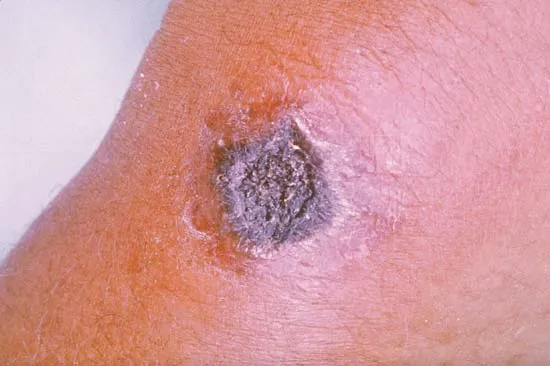
- Cutaneous Anthrax:
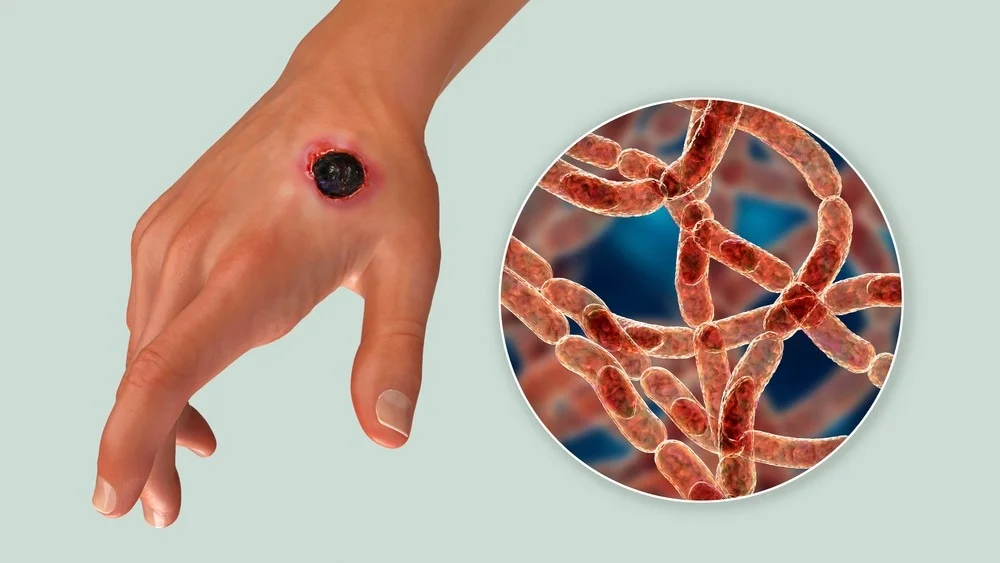
- Raised, itchy bump that develops into a painless ulcer with a characteristic black center (eschar)
- Swelling and redness around the lesion
- Inhalational Anthrax:
- Flu-like symptoms, including fever, cough, and chest discomfort
- Severe respiratory distress and shock in advanced stages
- Gastrointestinal Anthrax:
- Nausea, vomiting, abdominal pain, and severe diarrhea
- Fever and malaise are common in all forms.
How is Zoonotic Anthrax Diagnosed?
- Clinical Examination: Based on characteristic skin lesions or respiratory symptoms.
- Laboratory Tests: Culture and identification of Bacillus anthracis from blood, skin lesions, or respiratory secretions.
- PCR and Serology: To confirm the presence of anthrax DNA or antibodies.
How is Zoonotic Anthrax Treated?
- Antibiotics: Such as ciprofloxacin, doxycycline, or penicillin.
- Supportive Care: For respiratory or gastrointestinal complications.
- Vaccination: For at-risk populations and animals to prevent outbreaks.
Prognosis of Zoonotic Anthrax
With early diagnosis and treatment, cutaneous anthrax has a good prognosis. Inhalational and gastrointestinal anthrax can be fatal if not treated promptly.
Can Zoonotic Anthrax Be Prevented?
- Avoid Contact with Infected Animals or Animal Products
- Use Protective Clothing and Equipment: When handling animals or animal products.
- Vaccinate Livestock and At-Risk Humans
- Proper Disposal of Animal Carcasses: To prevent environmental contamination.
- Maintain Good Hygiene and Sanitation
