


What is a Thymic Cyst?
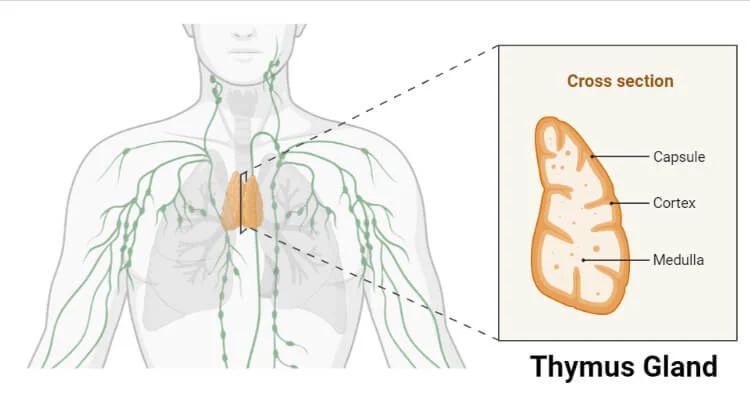
A thymic cyst is a fluid-filled sac that develops in the thymus gland, located in the upper part of the chest behind the sternum. These cysts are usually benign (non-cancerous) and can be congenital (present at birth) or acquired.
What Causes Thymic Cyst?
Thymic cysts can form due to:
- Congenital developmental abnormalities of the thymus.
- Inflammation or infection in the thymus.
- Injury or trauma to the chest area.
- Sometimes, thymic cysts are associated with other thymic abnormalities or tumors.
What Are the Symptoms of Thymic Cyst?
Many thymic cysts cause no symptoms and are found incidentally during imaging. When symptoms occur, they may include:
- Chest discomfort or pain.
- Cough or difficulty breathing due to pressure on nearby structures.
- Hoarseness or voice changes if the cyst presses on nerves.
- Swelling in the neck or upper chest area.
How is Thymic Cyst Diagnosed?
Diagnosis involves:
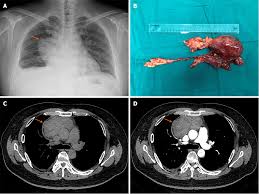
- Chest X-rays or CT scans to detect the cyst’s size and location.
- MRI scans for detailed imaging of soft tissues.
- Ultrasound in some cases.
- Biopsy or surgical removal may be needed to confirm diagnosis and rule out malignancy.
How is Thymic Cyst Treated?
Treatment depends on symptoms and cyst size:
- Small, asymptomatic cysts may be monitored regularly with imaging.
- Surgical removal is recommended if the cyst is large, causing symptoms, or if there is suspicion of cancer.
- Surgery is generally safe and curative.
Can Thymic Cyst Be Prevented?
There is no known way to prevent thymic cysts as many are congenital or develop spontaneously. Regular medical check-ups and imaging can help in early detection if symptoms arise.
When Should You See a Doctor?
Consult a healthcare provider if you experience:
- Persistent chest pain or discomfort.
- Difficulty breathing or coughing.
- Swelling or lumps in the neck or chest area.
- Unexplained voice changes.
- Any concerning symptoms noticed during routine exams or imaging.