


What is Opioid-Induced Hyperalgesia?
Opioid-Induced Hyperalgesia (OIH) is a paradoxical condition in which a person receiving opioid medications for pain relief becomes more sensitive to pain rather than experiencing relief. This phenomenon occurs when prolonged use of opioids leads to an increased pain sensitivity, which can make the pain worse over time. It is different from opioid tolerance, which refers to the need for higher doses to achieve the same level of pain relief. OIH can complicate pain management and lead to difficulties in treating patients with chronic pain.
Causes
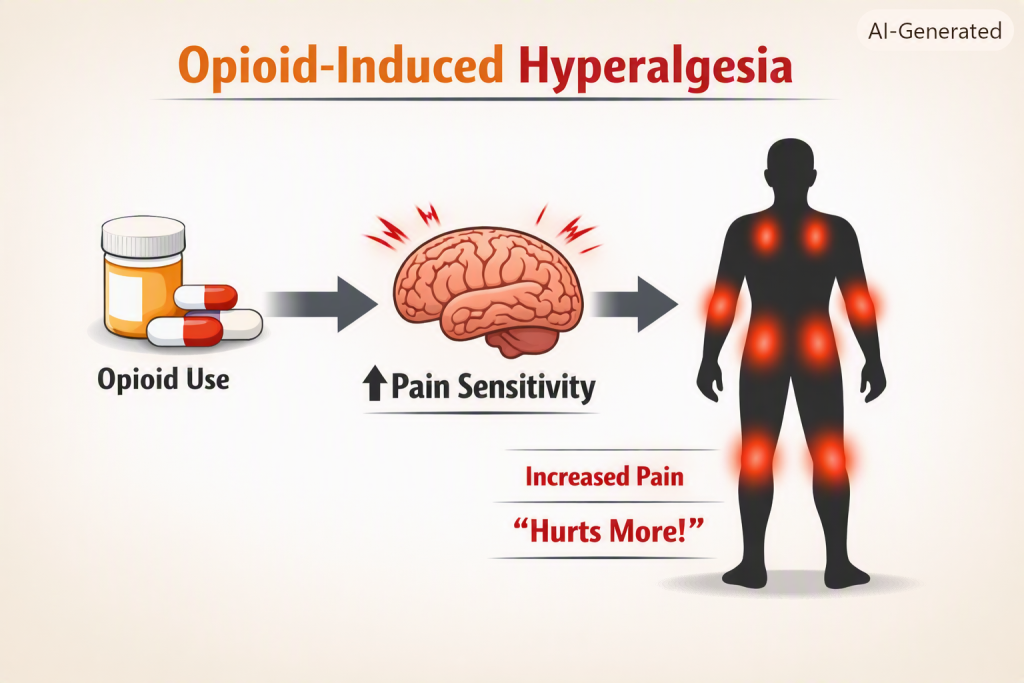
The exact mechanisms behind opioid-induced hyperalgesia are not fully understood, but several factors contribute to the development of this condition:
- Central Nervous System Changes: Chronic opioid use can alter the way the brain and spinal cord process pain. The opioids may lead to changes in neural signaling pathways, increasing the pain sensitivity over time.
- NMDA Receptor Activation: Opioids, especially when used at high doses or for long periods, can activate N-methyl-D-aspartate (NMDA) receptors in the brain and spinal cord. This activation can lead to central sensitization, a process that enhances pain perception.
- Opioid Receptor Desensitization: Prolonged exposure to opioids can cause the opioid receptors in the body to become less responsive, requiring higher doses to achieve the same pain relief. This process may contribute to the development of OIH.
- Increased Release of Pain-Causing Substances: Opioids can increase the release of certain neurochemicals, such as glutamate, which are involved in pain transmission, thereby exacerbating pain.
- Genetic Factors: Some individuals may be genetically predisposed to developing OIH when exposed to opioids, although further research is needed to fully understand the genetic underpinnings of this phenomenon.
Symptoms
The symptoms of opioid-induced hyperalgesia can vary depending on the individual and the severity of the condition. Common symptoms include:
- Increased Pain Sensitivity: The primary symptom of OIH is an increased sensitivity to pain, even in areas that were previously unaffected by pain.
- Pain Exacerbation: Existing pain may become worse, requiring higher doses of opioids to manage.
- Widespread Pain: Pain may spread to new areas of the body, especially if the opioid dose is increased to try to manage the original pain.
- Pain Without Clear Cause: In some cases, the pain may seem out of proportion to the physical condition or injury, with no clear source of the pain.
- Hyperalgesia: Patients may experience a heightened response to normal, non-painful stimuli (for example, light touch or mild pressure).
Diagnosis

Diagnosing opioid-induced hyperalgesia can be challenging, as its symptoms overlap with other conditions, and there are no specific tests for OIH. Diagnosis typically involves a process of elimination and careful monitoring:
- Patient History: A detailed medical history is essential to assess the patient’s opioid use, including the duration, dosage, and type of opioids used.
- Pain Assessment: The doctor will evaluate the patient’s pain levels, patterns, and responses to treatment.
- Exclusion of Other Conditions: Conditions like opioid tolerance, drug withdrawal, or other pain syndromes must be ruled out before a diagnosis of OIH is made.
- Trial of Opioid Reduction or Discontinuation: A trial of reducing or discontinuing opioid therapy may be recommended. If the pain improves as the opioids are reduced, OIH may be the cause.
Treatment
Managing opioid-induced hyperalgesia involves a multifaceted approach. The primary goal is to alleviate the increased pain sensitivity and improve the patient’s quality of life:
- Tapering or Discontinuing Opioids:
- Gradually reducing or stopping opioid use is the most effective way to manage OIH. However, this should be done carefully under medical supervision to avoid withdrawal symptoms.
- Non-Opioid Pain Management:
- Non-steroidal anti-inflammatory drugs (NSAIDs): These can help reduce inflammation and pain.
- Acetaminophen: For mild to moderate pain relief without opioids.
- Antidepressants (e.g., SSRIs, SNRIs): Medications such as duloxetine or amitriptyline may help manage chronic pain and decrease hyperalgesia.
- Anticonvulsants (e.g., gabapentin): These medications are sometimes used to treat neuropathic pain and may help with hyperalgesia.
- NMDA Antagonists:
- Drugs such as ketamine may help block the NMDA receptors involved in OIH and reduce pain sensitivity.
- Physical Therapy:
- Non-drug treatments like physical therapy or cognitive-behavioral therapy (CBT) can help manage chronic pain and improve the patient’s coping mechanisms.
- Alternative Therapies:
- Acupuncture, chiropractic care, or massage therapy may provide additional pain relief for some individuals.
- Monitoring and Support:
- Regular follow-ups with healthcare providers are crucial to assess pain levels, opioid use, and overall treatment effectiveness.
Prognosis

The prognosis for individuals with opioid-induced hyperalgesia varies based on the severity of the condition and how early it is diagnosed and treated. In many cases, reducing or discontinuing opioid use can lead to significant improvement in pain levels and overall quality of life. However, for individuals who have been on long-term opioid therapy, it may take time to recover from the heightened pain sensitivity, and alternative pain management strategies may be needed.
If left untreated, OIH can become a chronic issue, making pain management more difficult and leading to unnecessary increases in opioid doses, which may further exacerbate the cycle of hyperalgesia.
Support and Resources
- Opioid Tapering Programs: Special programs and clinics designed to help patients gradually reduce opioid use under medical supervision.
- Pain Management Clinics: Specialized centers that offer comprehensive care for chronic pain, including non-opioid treatments.
- Support Groups: Organizations like the Pain Relief Network or American Chronic Pain Association provide resources, community support, and educational materials for individuals dealing with chronic pain and opioid dependence.
- Psychological Support: Cognitive-behavioral therapy (CBT) or other mental health support services can help individuals cope with chronic pain and opioid reduction.
