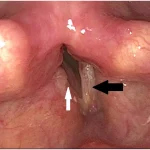
What is Livedo Vasculopathy?
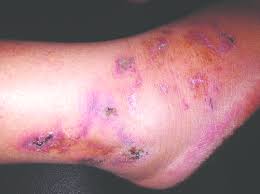
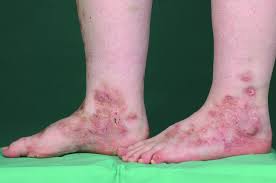
Livedo vasculopathy is a rare and complex vascular condition characterized by abnormal blood flow and damage to the small blood vessels (capillaries) in the skin. This results in a distinctive pattern of skin discoloration, known as livedo reticularis, which typically appears as a purplish or bluish net-like pattern on the skin. Livedo vasculopathy is often associated with underlying vascular, autoimmune, or hematologic conditions and can result in significant circulatory issues, leading to pain, ulcers, or, in severe cases, tissue necrosis.
Livedo vasculopathy can be classified into two main types:
- Primary Livedo Vasculopathy: Occurs without any underlying disease or condition.
- Secondary Livedo Vasculopathy: Associated with other diseases, such as autoimmune disorders, clotting disorders, or chronic conditions affecting blood flow.
Causes of Livedo Vasculopathy?
The exact cause of livedo vasculopathy is not always clear, but it is often associated with abnormalities in blood flow or vessel integrity. Common causes include:
- Vascular Abnormalities: Impaired blood flow due to small blood vessel damage can result in the characteristic appearance of livedo reticularis.
- Autoimmune Diseases: Conditions like lupus erythematosus, systemic sclerosis, and rheumatoid arthritis are associated with blood vessel inflammation and clotting abnormalities that can lead to livedo vasculopathy.
- Clotting Disorders: Disorders that affect clotting, such as antiphospholipid syndrome, can lead to small vessel occlusion and damage, resulting in livedo reticularis.
- Infections: Certain viral or bacterial infections can trigger inflammatory responses that affect blood vessels, contributing to the development of livedo vasculopathy.
- Cold Exposure: Prolonged exposure to cold temperatures can lead to vasoconstriction (narrowing of the blood vessels), which may cause the characteristic skin discoloration.
- Chronic Diseases: Conditions such as diabetes, hyperlipidemia, and hypertension may damage blood vessels over time and increase the risk of developing livedo vasculopathy.
Symptoms of Livedo Vasculopathy?
The primary symptom of livedo vasculopathy is the appearance of livedo reticularis, which manifests as a mottled, bluish-red discoloration on the skin, usually on the legs or arms. Other symptoms may include:
- Pain: The affected areas may become painful, especially during periods of poor circulation or when exposed to cold temperatures.
- Ulcers or Sores: In more severe cases, skin breakdown can occur, leading to ulcers or sores on the affected areas.
- Tissue Necrosis: In rare cases, severe vascular compromise can result in the death of skin tissue, leading to necrosis.
- Numbness or Tingling: Poor blood flow to the extremities may cause a sensation of numbness or tingling in the skin.
- Swelling: Edema (swelling) may occur in the affected areas due to poor circulation and vascular damage.
Diagnosis of Livedo Vasculopathy?
The diagnosis of livedo vasculopathy involves a combination of clinical evaluation and diagnostic tests:
- Medical History and Symptoms: The healthcare provider will assess the patient’s medical history and symptoms, especially any underlying conditions like autoimmune diseases or clotting disorders.
- Physical Examination: A physical exam will reveal the characteristic mottled skin discoloration, which is a key feature of livedo vasculopathy. The pattern may be more prominent in colder temperatures or after certain triggers.
- Blood Tests: Blood tests may be conducted to assess for autoimmune markers (e.g., antinuclear antibodies, antiphospholipid antibodies), clotting factors, and general inflammation markers. This helps to identify any underlying conditions contributing to the vascular issues.
- Doppler Ultrasound: A Doppler ultrasound may be used to assess blood flow in the affected areas and determine if there are any blockages or narrowing of blood vessels.
- Skin Biopsy: In some cases, a skin biopsy may be performed to examine the blood vessels and skin tissue for signs of vascular damage or inflammation.
- Angiography: In more severe cases, angiography (a specialized imaging technique to visualize blood vessels) may be used to evaluate the extent of vascular damage.
Treatment for Livedo Vasculopathy?
The treatment for livedo vasculopathy aims to manage the underlying condition (if present), improve blood flow, and relieve symptoms. Treatment options include:
- Addressing Underlying Conditions: The treatment of any underlying diseases (e.g., autoimmune disorders, clotting disorders, or diabetes) is essential to managing livedo vasculopathy. Medications to manage inflammation or clotting can help prevent further vascular damage.
- Vasodilators: In some cases, medications that dilate blood vessels (vasodilators) may be prescribed to improve blood flow and reduce symptoms. This can help alleviate pain and discomfort caused by poor circulation.
- Anticoagulants: If the livedo vasculopathy is related to clotting disorders like antiphospholipid syndrome, anticoagulant medications (such as warfarin or heparin) may be used to prevent the formation of blood clots and reduce the risk of further vascular damage.
- Cold Avoidance: To prevent triggering or worsening symptoms, individuals with livedo vasculopathy should avoid cold environments and ensure that they are dressed warmly during cold weather.
- Compression Garments: In some cases, wearing compression stockings or garments may help improve circulation in the affected limbs, reduce swelling, and prevent further vascular damage.
- Wound Care: For individuals who develop ulcers or sores due to vascular damage, proper wound care and treatment are necessary to promote healing and prevent infection.
- Pain Management: Over-the-counter pain relievers (such as NSAIDs) may be used to manage mild pain, while stronger prescription medications may be required for more severe discomfort.
Prognosis of Livedo Vasculopathy?
The prognosis for individuals with livedo vasculopathy largely depends on the underlying cause and the severity of vascular damage:
- Mild Cases: If the condition is mild and primarily involves skin discoloration, individuals may not experience significant long-term complications. Symptoms may improve with proper management and treatment of any underlying condition.
- Severe Cases: In more severe cases, particularly if untreated or complicated by tissue necrosis, there may be long-term consequences such as chronic pain, scarring, or permanent damage to the skin and underlying tissues.
- Underlying Conditions: The prognosis is also influenced by the management of any associated underlying conditions, such as autoimmune disorders or clotting disorders. With appropriate treatment, the risk of severe complications can often be minimized.
Prevention of Livedo Vasculopathy?
Prevention of livedo vasculopathy involves managing the risk factors and underlying conditions that contribute to vascular damage:
- Control of Autoimmune Diseases: For individuals with autoimmune diseases, proper management of the condition with immunosuppressive therapy or other treatments can help reduce the risk of vascular complications.
- Management of Clotting Disorders: Those with clotting disorders should follow their healthcare provider’s recommendations regarding anticoagulant therapy to prevent blood clots and related complications.
- Avoiding Cold Exposure: People with livedo vasculopathy or at risk for the condition should avoid prolonged exposure to cold environments to prevent vasoconstriction and worsening of symptoms.
- Healthy Lifestyle: Maintaining a healthy lifestyle, including managing diabetes, high blood pressure, and hyperlipidemia, can help protect blood vessels and reduce the risk of developing livedo vasculopathy.