What are Cystic Neoplasms?
Cystic neoplasms refer to abnormal, fluid-filled growths or tumors that develop in various organs and tissues throughout the body. Unlike simple cysts, which are typically benign (non-cancerous), cystic neoplasms can be either benign or malignant (cancerous) and may have complex structures. These neoplasms are characterized by the presence of cyst-like cavities filled with fluid, semiliquid, or even solid material.
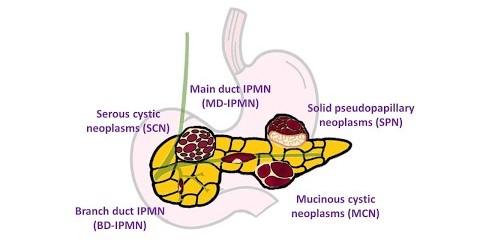
Cystic neoplasms can occur in many parts of the body, including the liver, pancreas, kidneys, ovaries, and breasts, among others. While they may not cause symptoms in their early stages, large or complex cystic neoplasms can lead to complications depending on their location and size.
What Causes Cystic Neoplasms?
The exact cause of cystic neoplasms can vary depending on the type and location of the tumor. However, several factors can contribute to the development of these growths:
- Genetic mutations: Certain genetic mutations or inherited conditions can increase the likelihood of developing cystic neoplasms. For example, conditions like von Hippel-Lindau disease or Polycystic Kidney Disease (PKD) can lead to the formation of cystic neoplasms.
- Hormonal imbalances: Some cystic neoplasms, especially in organs like the ovaries or breasts, may be influenced by hormonal fluctuations or imbalances.
- Chronic inflammation or irritation: Chronic inflammation in organs such as the pancreas or liver can contribute to the development of cystic neoplasms over time.
- Age and gender: The risk of developing cystic neoplasms tends to increase with age. Additionally, certain types of cystic neoplasms, such as ovarian cysts, are more common in women.
What Are the Symptoms of Cystic Neoplasms?
The symptoms of cystic neoplasms depend on their size, location, and whether they are benign or malignant. Some common symptoms include:
- Pain or discomfort: As cystic neoplasms grow, they can put pressure on surrounding tissues and organs, leading to pain or discomfort. This pain may be constant or intermittent, and it can vary in intensity.
- Swelling or lumps: In some cases, cystic neoplasms may form visible lumps or swellings on the body, especially if they are located near the skin’s surface.
- Digestive issues: If the cystic neoplasm is in the liver, pancreas, or intestines, it may cause symptoms such as bloating, nausea, vomiting, or changes in bowel movements.
- Urinary problems: Cystic neoplasms in the kidneys or urinary tract can cause urinary retention, frequent urination, or pain during urination.
- Breathing difficulties: Large cystic neoplasms located in the chest or near the lungs can cause difficulty breathing or shortness of breath.
- Fatigue and weight loss: If the cystic neoplasm is malignant, it may cause systemic symptoms such as fatigue, unexplained weight loss, and weakness.
In many cases, cystic neoplasms may not cause symptoms until they grow large enough to press against nearby structures or organs.
How Are Cystic Neoplasms Diagnosed?
Diagnosing cystic neoplasms typically involves a combination of clinical examination, imaging studies, and sometimes biopsy. Common diagnostic tools include:
- Physical examination: A doctor may examine the affected area for signs of swelling, lumps, or pain. This can help identify potential cystic neoplasms.
- Imaging tests: Various imaging techniques are used to detect and assess cystic neoplasms:
- Ultrasound: An ultrasound can help visualize the cyst, its size, and its location. It is often used for cystic neoplasms in the ovaries, breasts, liver, and kidneys.
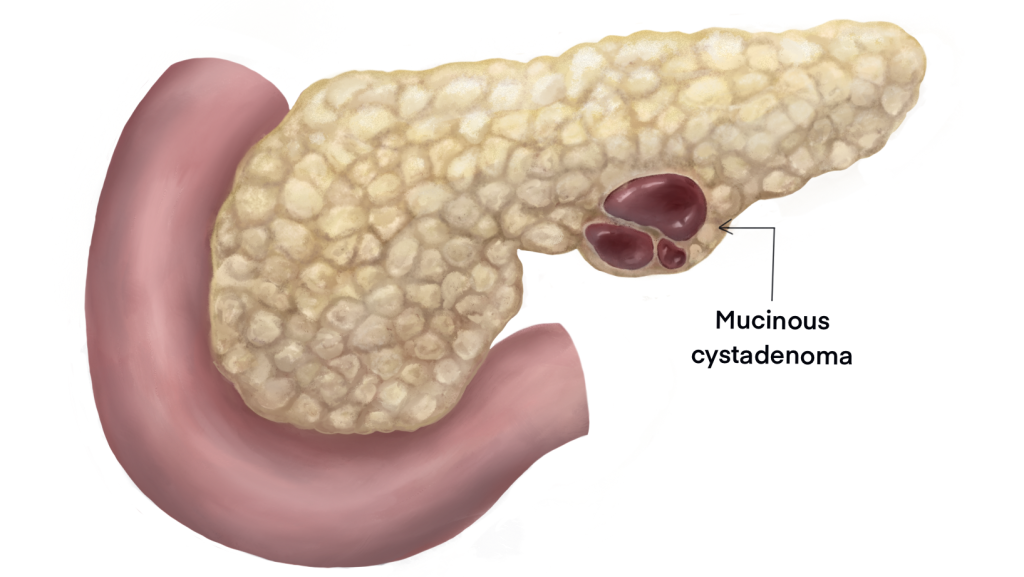
- CT scan (Computed Tomography): A CT scan provides detailed cross-sectional images of the body and is used to detect cystic neoplasms in organs such as the pancreas, lungs, and liver.
- MRI (Magnetic Resonance Imaging): MRI scans are often used for imaging the brain, spine, and soft tissues. It is particularly useful in detecting cystic neoplasms in the brain or spinal cord.
- Biopsy: If imaging tests suggest the presence of a cystic neoplasm, a biopsy may be performed to determine whether the cyst is benign or malignant. During a biopsy, a small sample of tissue is taken from the cyst and examined under a microscope.
How Are Cystic Neoplasms Treated?
The treatment for cystic neoplasms depends on the type, size, location, and whether the cyst is benign or malignant. Treatment options include:
- Observation and monitoring: If the cystic neoplasm is small and asymptomatic, doctors may recommend periodic monitoring with imaging tests to track any changes in its size or appearance. Many benign cystic neoplasms do not require immediate intervention.
- Surgical removal: For large or symptomatic cystic neoplasms, surgery may be necessary to remove the cyst. The surgical approach will depend on the location and size of the cyst, as well as its relationship to surrounding tissues. In some cases, only part of the neoplasm may be removed, while in other cases, complete removal may be required.
- Drainage: If the cystic neoplasm is filled with fluid and causing significant symptoms, it may be drained to relieve pressure. However, drainage is usually a temporary solution, as the cyst can refill over time.
- Sclerotherapy: For certain types of cystic neoplasms, especially those that are difficult to remove surgically, a procedure called sclerotherapy may be used. This involves injecting a chemical agent into the cyst to shrink or close it off.
- Chemotherapy or radiation therapy: If the cystic neoplasm is malignant (cancerous), treatment may involve chemotherapy or radiation therapy to destroy cancer cells. The choice of treatment will depend on the specific type of cancer and its stage.
- Targeted therapy: In some cases of malignant cystic neoplasms, targeted therapies may be used to target specific cancerous cells and prevent them from growing.
What Are the Risks and Complications of Cystic Neoplasms?
While many cystic neoplasms are benign and do not cause major problems, they can lead to complications depending on their size, location, and nature. Possible risks and complications include:
- Pressure on surrounding organs: Large cystic neoplasms can compress adjacent tissues and organs, leading to pain, discomfort, and organ dysfunction.
- Infection: Cystic neoplasms can sometimes become infected, especially if they rupture or leak fluid. This can lead to redness, swelling, pain, and fever.
- Cancer: In some cases, cystic neoplasms can be malignant, and if not treated, they may spread to other parts of the body. Early diagnosis and intervention are crucial for preventing cancer from advancing.
- Recurrence: Cystic neoplasms may recur after treatment, especially if they were only partially removed or drained.
How Can Cystic Neoplasms Be Prevented?
There is no known way to prevent cystic neoplasms, as they often develop due to genetic factors or abnormal cell growth. However, early detection through routine check-ups and imaging studies can help identify cystic neoplasms before they cause significant symptoms or complications. Individuals with a family history of genetic conditions associated with cystic neoplasms may benefit from genetic counseling and regular monitoring.