What is Zoster (Herpes Zoster / Shingles)?
Zoster, also known as Herpes Zoster or Shingles, is a viral infection caused by the reactivation of the varicella-zoster virus (the same virus that causes chickenpox). After an initial chickenpox infection, the virus remains dormant in nerve cells and can reactivate years later, causing a painful rash and nerve inflammation.
What Causes Zoster (Herpes Zoster / Shingles)?
- Reactivation of Varicella-Zoster Virus – The dormant virus in nerve tissue becomes active again, often triggered by weakened immunity.
- Age – Most common in older adults, especially those over 50 years.
- Immunosuppression – Conditions or treatments that weaken the immune system can increase risk.
- Stress and Illness – Physical or emotional stress and certain illnesses can trigger reactivation.
What Are the Symptoms of Zoster (Herpes Zoster / Shingles)?
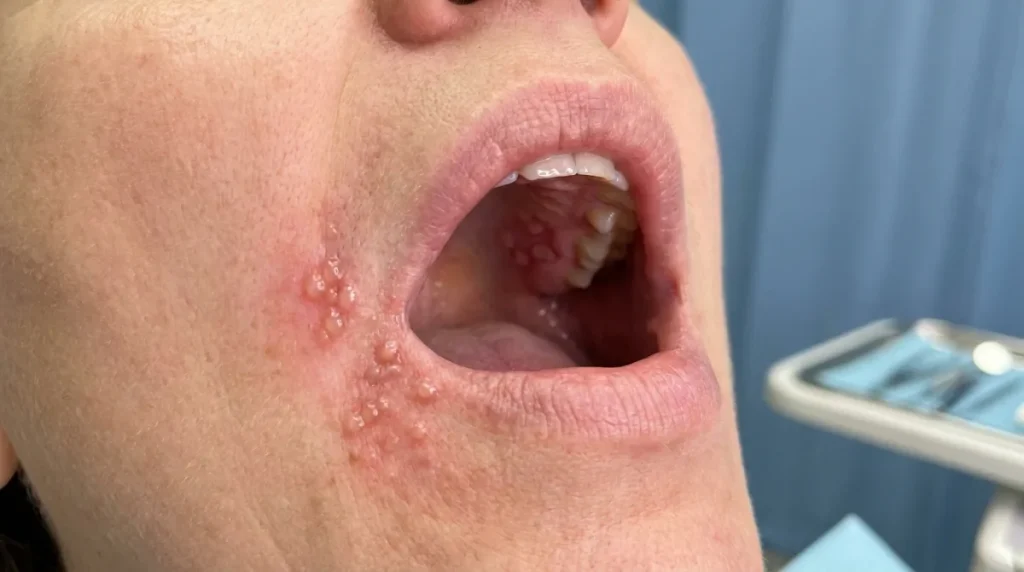
Symptoms typically begin with:
- Pain, burning, or tingling in a specific area on one side of the body or face
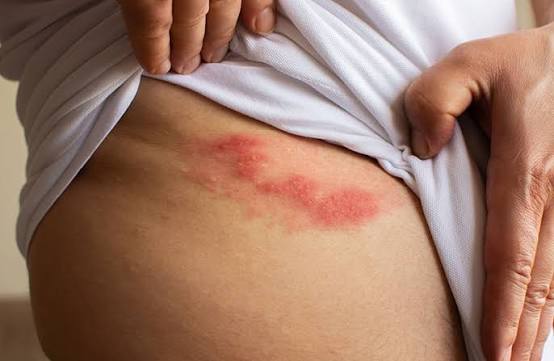
- A red rash that develops into fluid-filled blisters
- Blisters that crust over in 7-10 days
Other symptoms may include:
- Fever
- Headache
- Fatigue
- Sensitivity to touch
How is Zoster (Herpes Zoster / Shingles) Diagnosed?
- Clinical Evaluation – Diagnosis is usually made based on characteristic rash and symptoms.
- Laboratory Tests – PCR or direct fluorescent antibody tests can confirm the virus in unclear cases.
How is Zoster (Herpes Zoster / Shingles) Treated?
Treatment aims to reduce pain, speed healing, and prevent complications:
- Antiviral Medications – Such as acyclovir, valacyclovir, or famciclovir, ideally started within 72 hours of rash onset.
- Pain Management – Analgesics, including NSAIDs, acetaminophen, or stronger pain medications if needed.
- Topical Treatments – To soothe skin and reduce discomfort.
- Corticosteroids – Sometimes used to reduce inflammation.
Prognosis of Zoster (Herpes Zoster / Shingles)
Most people recover fully, but some may develop complications such as postherpetic neuralgia, a condition causing persistent nerve pain after the rash heals.