What Is a Stress Fracture?
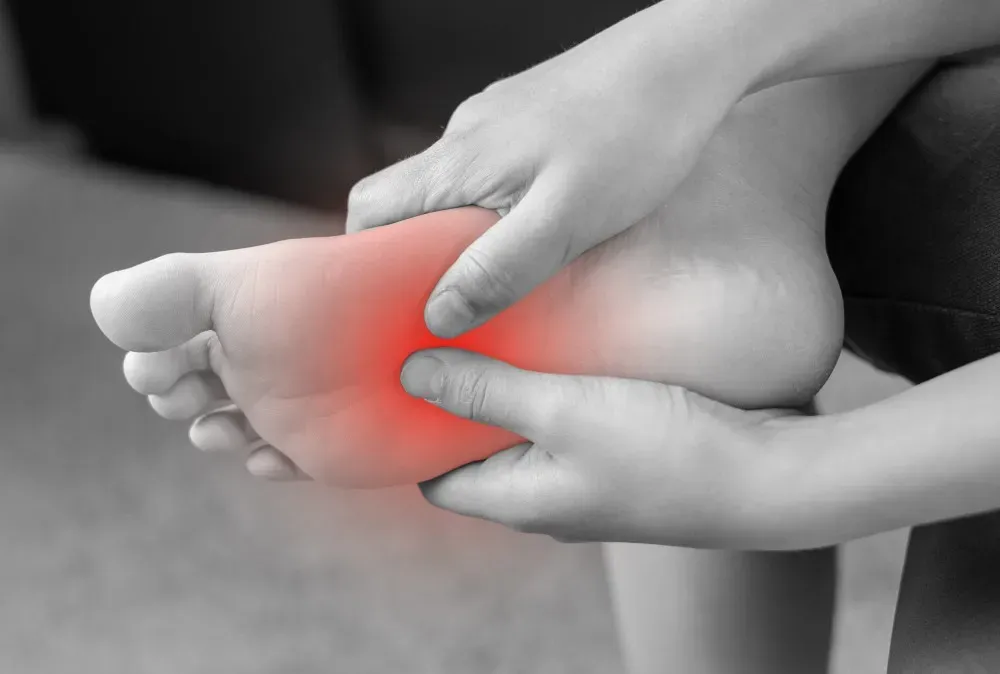
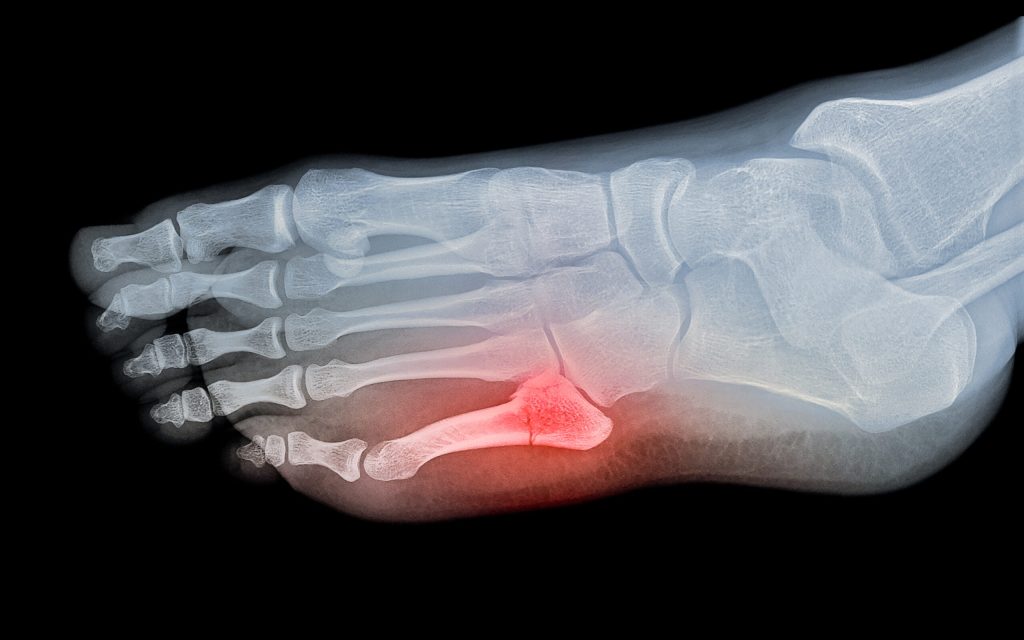
A stress fracture is a small crack or severe bruising within a bone, typically caused by repetitive force or overuse rather than a single traumatic event. It commonly occurs in weight-bearing bones like those in the foot, shin, or lower leg.
Stress fractures are common in athletes, military recruits, and people who suddenly increase their physical activity.
What Are the Symptoms of a Stress Fracture?
Symptoms usually develop gradually and may include:
- Localized pain that worsens with weight-bearing activity
- Swelling and tenderness at the site of the fracture
- Pain that improves with rest but returns when activity resumes
- Possible bruising near the injured area
What Causes a Stress Fracture?
Common causes include:
- Repetitive stress or overuse, especially in high-impact activities like running, jumping, or dancing
- Sudden increase in physical activity without adequate conditioning
- Poor bone strength due to osteoporosis or other medical conditions
- Improper footwear or training on hard surfaces
- Biomechanical abnormalities such as flat feet or uneven leg length
How Is a Stress Fracture Diagnosed?
Diagnosis is based on clinical examination and imaging tests:
- Physical exam focusing on tenderness and swelling
- X-rays may not show early stress fractures; they are more useful a few weeks after symptom onset
- MRI or bone scans are more sensitive and can detect stress fractures early
- Sometimes CT scans are used for detailed images
How Is a Stress Fracture Treated?
Treatment focuses on relieving pain and allowing the bone to heal:
- Rest and avoiding weight-bearing activities for several weeks
- Using crutches or a brace to offload the affected bone if necessary
- Gradual return to activity after healing
- Pain relief with over-the-counter medications like acetaminophen or ibuprofen
- Addressing contributing factors such as footwear, training routine, or nutrition
Complications of a Stress Fracture?
If untreated or if activity is resumed too early, complications may include:
- Complete fracture or bone break
- Chronic pain and prolonged recovery
- Delayed healing or non-union of the fracture
How to Prevent Stress Fractures?
Prevention tips include:
- Gradual increase in exercise intensity and duration
- Using proper footwear with good support
- Cross-training to avoid repetitive strain on the same bones
- Ensuring adequate calcium and vitamin D intake
- Maintaining a healthy body weight and bone density