What is Nasal Dermatitis?
Nasal dermatitis is a skin condition that affects the area around the nose, causing inflammation, redness, irritation, and sometimes flaking or peeling of the skin. It can be a form of rosacea or a separate skin issue that arises due to environmental factors, allergies, or infections. Nasal dermatitis is more commonly seen in adults but can occur at any age.
The condition can be uncomfortable and may impact a person’s self-esteem due to the visible redness or lesions on the face. It often requires medical attention to properly manage symptoms and prevent flare-ups.
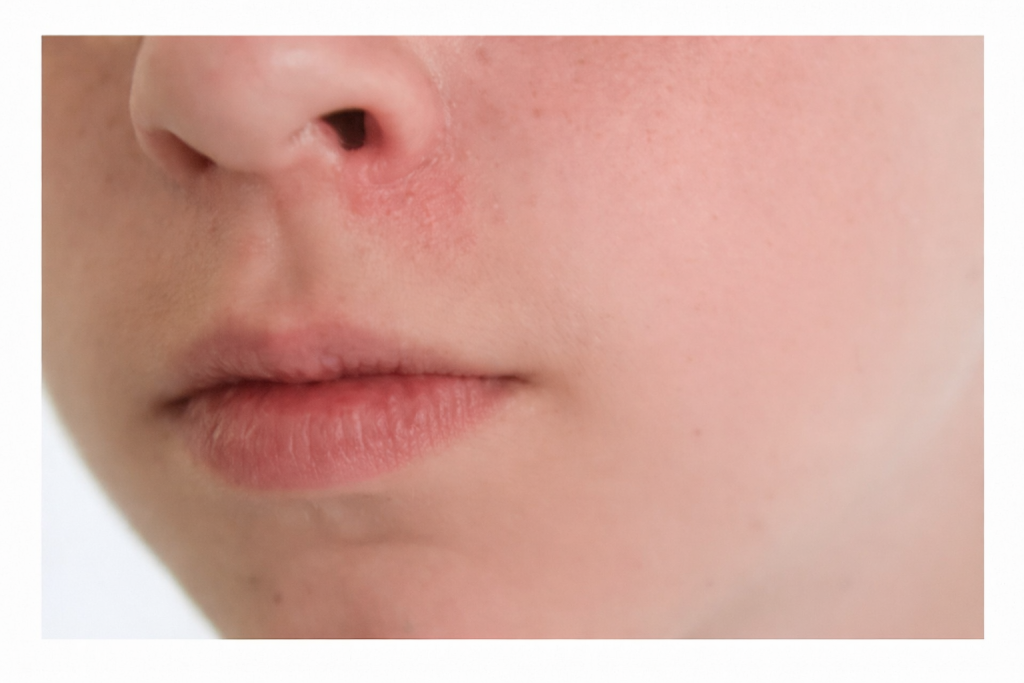
Types of Nasal Dermatitis?
1. Seborrheic Dermatitis
- Seborrheic dermatitis is a common form of nasal dermatitis that primarily affects the oily areas of the face, including the nose. It is characterized by red, inflamed patches, flaky scales, and sometimes itching or burning. This condition is often linked to an overproduction of sebum (oil) and can be triggered by stress, hormonal changes, or weather extremes.
2. Rosacea
- Rosacea is a chronic inflammatory skin condition that can affect the nose, causing redness, visible blood vessels, and sometimes pustules or bumps. It is often mistaken for acne, but rosacea is a separate condition. The nose may appear swollen or enlarged due to constant inflammation, leading to a condition called rhinophyma, especially in severe cases.
3. Contact Dermatitis
- Contact dermatitis occurs when the skin reacts to an irritant or allergen, leading to red, inflamed patches on the nose. Common triggers include certain skin care products, fragrances, or environmental allergens. It may present with itching, burning, or stinging sensations.
4. Perioral Dermatitis
- Perioral dermatitis is a form of dermatitis that affects the skin around the nose and mouth. It typically presents as small, red, acne-like bumps, and can also cause dryness, itching, and a burning sensation. This condition is often triggered by the use of topical steroids or hormonal changes.
Symptoms of Nasal Dermatitis?
The symptoms of nasal dermatitis vary depending on the type of dermatitis present. Common symptoms include:
- Redness or flushed appearance around the nose.
- Inflammation and swelling of the nasal area.
- Flaky or dry skin that may peel off.
- Itching or a burning sensation in the affected area.
- Pustules or bumps, especially in rosacea and perioral dermatitis.
- Visible blood vessels or telangiectasia, common in rosacea.
- Crusting or scaling in severe cases.
Causes of Nasal Dermatitis?
The exact cause of nasal dermatitis depends on the type of dermatitis, but several factors may contribute to its development:
1. Overproduction of Oil (Sebum)
- Overproduction of sebum can contribute to seborrheic dermatitis, leading to blocked hair follicles and inflammation of the skin.
2. Inflammation and Immune Response
- In rosacea, the immune system’s response to certain triggers causes inflammation of the blood vessels in the skin, leading to redness and irritation. It’s thought to involve a combination of genetic factors and environmental triggers.
3. Allergens or Irritants
- Exposure to allergens, such as certain skin care products, soaps, or fragrances, can trigger contact dermatitis, leading to irritation and skin reactions around the nose.
4. Hormonal Changes
- Hormonal fluctuations, particularly in women, can contribute to conditions like rosacea and seborrheic dermatitis, which can worsen during pregnancy or menopause.
5. Environmental Factors
- Extreme temperatures, humidity, or harsh weather conditions can exacerbate seborrheic dermatitis and rosacea, causing flare-ups.
6. Medications
- Certain medications, especially topical steroids, can cause or worsen perioral dermatitis or other forms of skin irritation around the nose.
7. Stress
- Emotional stress is a common trigger for rosacea and seborrheic dermatitis flare-ups, as it can affect the skin’s immune response.
Diagnosis of Nasal Dermatitis?
Diagnosing nasal dermatitis generally involves a physical examination by a healthcare provider or dermatologist. The doctor will assess the appearance of the skin and may ask about the patient’s symptoms, medical history, and potential triggers.
1. Visual Inspection
- A healthcare provider will examine the skin around the nose for signs of redness, scaling, or pustules to determine the type of dermatitis.
2. Skin Biopsy
- In rare cases, a skin biopsy may be performed to confirm the diagnosis, especially if the condition is severe or difficult to distinguish from other skin issues.
3. Patch Testing
- Patch testing may be used to identify specific allergens that could be causing contact dermatitis around the nose.
Treatment of Nasal Dermatitis?
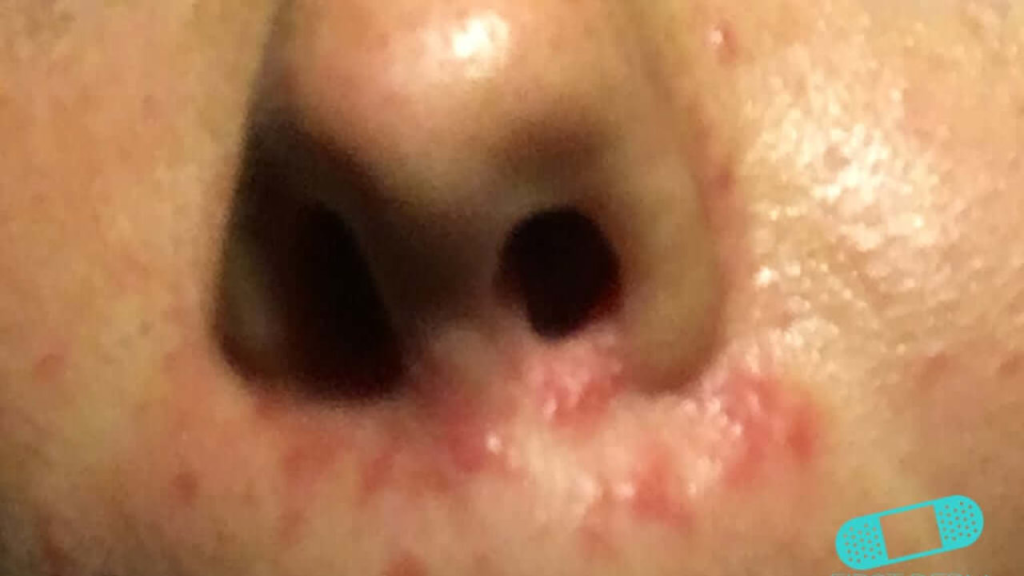
Treatment for nasal dermatitis depends on the underlying cause and severity of the symptoms. Options may include topical treatments, oral medications, and lifestyle adjustments.
1. Topical Treatments
- Topical corticosteroids (low-potency) may be prescribed for conditions like seborrheic dermatitis and contact dermatitis to reduce inflammation and control flare-ups.
- Topical antifungals may be used if the condition is fungal in nature (e.g., seborrheic dermatitis caused by Malassezia).
- Topical antibiotics (such as metronidazole) are commonly used to treat rosacea and perioral dermatitis.
- Moisturizers and barrier creams can help keep the skin hydrated and protected.
2. Oral Medications
- Oral antibiotics like tetracycline or doxycycline may be prescribed for severe cases of rosacea or perioral dermatitis.
- In cases of severe seborrheic dermatitis, oral antifungal medications may be used.
3. Laser Therapy
- For individuals with rosacea and visible blood vessels, laser therapy or intense pulsed light (IPL) treatments may help reduce redness and visible blood vessels in the skin.
4. Avoiding Triggers
- Identifying and avoiding triggers, such as specific skincare products, foods, or weather extremes, is important in managing nasal dermatitis. Patients are often advised to avoid hot showers, spicy foods, and alcohol if they trigger rosacea.
5. Good Skincare Practices
- Using gentle, fragrance-free cleansers and moisturizers can help prevent irritation.
- Avoiding excessive sun exposure and using sunscreen daily can also prevent flare-ups of rosacea.
Prevention of Nasal Dermatitis?
While not all cases of nasal dermatitis can be prevented, several steps can be taken to reduce the risk of flare-ups:
- Use gentle skin care products that are free of irritants and fragrances.
- Avoid triggers such as spicy foods, alcohol, or extreme temperatures that can worsen symptoms.
- Moisturize regularly to keep the skin hydrated and maintain the skin’s barrier function.
- Wear sunscreen daily to protect the skin from UV radiation, which can aggravate conditions like rosacea.
- Manage stress through relaxation techniques, exercise, or meditation, as stress can trigger flare-ups.
- Follow a healthcare provider’s recommendations for medication use and skin care to manage symptoms effectively.