


What Is Onychophagia?
Onychophagia is the medical term for chronic nail biting, a body-focused repetitive behavior (BFRB) that involves biting the fingernails or surrounding skin. It is most commonly seen in children and adolescents but can persist into adulthood. While occasional nail biting is common and often harmless, chronic onychophagia can lead to physical damage, emotional distress, and sometimes infection.
Onychophagia is often associated with stress, anxiety, boredom, or other emotional triggers. In some cases, it may be linked to underlying psychiatric or behavioral conditions such as obsessive-compulsive disorder (OCD) or attention-deficit/hyperactivity disorder (ADHD).

What Causes Onychophagia?
The causes of onychophagia are complex and may involve behavioral, emotional, and psychological factors. It is considered a coping mechanism or self-soothing behavior in response to internal tension or external stimuli.
Common Causes and Risk Factors:
- Stress or Anxiety
Nail biting often increases during stressful or anxiety-provoking situations. - Boredom or Inactivity
Many individuals bite their nails when they are idle, bored, or distracted. - Perfectionism
Some individuals bite their nails in an attempt to remove perceived imperfections. - Genetic Factors
A family history of nail biting or related behaviors can increase the risk. - Psychiatric Disorders
Nail biting can be linked to conditions such as OCD, generalized anxiety disorder, and impulse control disorders. - Childhood Habits
Onychophagia often begins in childhood and may continue into adulthood if not addressed. - Sensory Stimulation
Some individuals are drawn to the tactile or sensory feedback of nail biting.
What Are the Symptoms of Onychophagia?
Onychophagia primarily affects the nails and surrounding skin, but it may also have emotional and psychological consequences.
Physical Symptoms:
- Short, uneven, or jagged nails
- Damaged cuticles
- Bleeding or pain around the nails
- Swelling or redness in the nail area
- Nail bed infections (paronychia)
- Broken or chipped teeth in severe cases
- Gastrointestinal issues from ingesting nail fragments
Psychological and Social Effects:
- Embarrassment or shame
- Social withdrawal due to appearance of hands
- Increased anxiety or tension
- Repetitive nature of behavior even after attempts to stop
If Left Untreated:
- Permanent nail deformities
- Frequent infections
- Chronic dental problems
- Impact on self-esteem and quality of life
How Is Onychophagia Diagnosed?
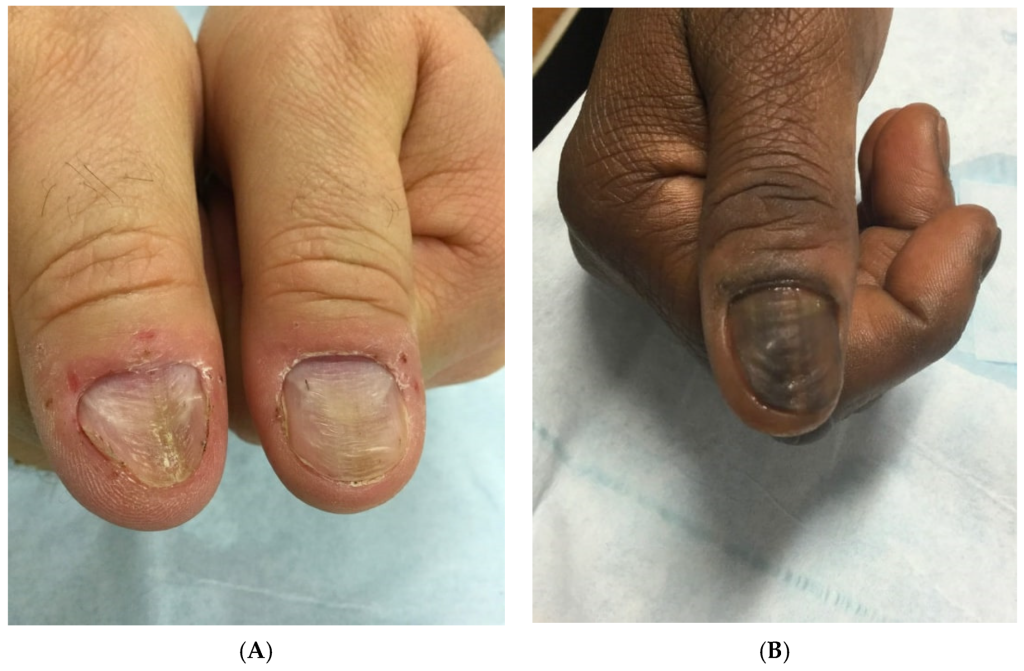
Onychophagia is usually diagnosed based on a clinical evaluation and a patient’s history. It may not require special tests but should be distinguished from other nail or skin conditions.
Diagnostic Process:
- Physical Examination
The doctor examines the nails, cuticles, and surrounding skin for damage or infection. - Patient Interview
The patient may be asked about triggers, frequency, and any emotional or psychological issues. - Mental Health Evaluation
If nail biting is suspected to be linked to psychiatric conditions like OCD or anxiety, a referral to a mental health professional may be recommended.
How Is Onychophagia Treated?
Treatment for onychophagia focuses on behavioral interventions, underlying psychological factors, and physical nail care. A multidisciplinary approach often yields the best results.
1. Behavioral Therapies
- Habit Reversal Training (HRT): A type of cognitive-behavioral therapy (CBT) that helps individuals identify the urge to bite and replace it with alternative behaviors (e.g., clenching fists, using a stress ball).
- Awareness Training: Encouraging mindfulness of when and why the behavior occurs.
- Stimulus Control: Modifying the environment to reduce triggers (e.g., keeping nails trimmed, wearing gloves).
2. Psychological Support
- Counseling or Psychotherapy: Can help address underlying emotional issues like anxiety or perfectionism.
- Treatment for Coexisting Conditions: Managing associated disorders such as OCD or ADHD may reduce nail biting.
3. Medications
- In certain cases, medications like SSRIs (e.g., fluoxetine) may be prescribed to help manage anxiety or compulsive behaviors.
4. Physical Barriers and Deterrents
- Bitter Nail Polish: Over-the-counter bitter-tasting nail coatings deter biting.
- Bandages or Gloves: Covering the nails may prevent access and break the habit.
5. Nail and Skin Care
- Keeping nails trimmed and clean
- Treating infections or injuries around the nails
- Using moisturizing hand creams to reduce dry skin that may trigger biting
What Is the Prognosis for Onychophagia?
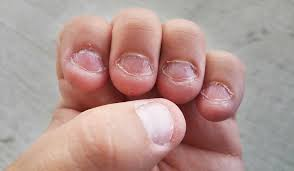
The prognosis depends on the individual’s motivation to stop, the presence of any underlying conditions, and the consistency of treatment.
Positive Prognosis:
- Many children outgrow nail biting with age.
- Behavioral therapy is often effective in reducing or stopping the habit.
- Improvement in anxiety or OCD symptoms can lead to decreased nail biting.
Potential Challenges:
- Habit may return during stressful periods.
- Chronic onychophagia may cause permanent nail or dental damage if untreated.
- Relapse is common, especially without ongoing support or behavioral strategies.
When Should I See a Doctor?
You should seek medical help if:
- Nail biting causes pain, bleeding, or infection.
- There is emotional distress or embarrassment due to the behavior.
- You are unable to stop despite trying.
- There are signs of an underlying psychiatric condition.
Frequently Asked Questions (FAQs)
Is onychophagia a mental health disorder?
On its own, onychophagia is considered a body-focused repetitive behavior, not a standalone mental disorder. However, it may be associated with conditions like OCD, anxiety, or impulse control disorders.
Can onychophagia damage teeth?
Yes. Chronic nail biting can wear down enamel, chip teeth, or cause jaw issues over time.
At what age does onychophagia typically start?
It often begins in childhood, usually between ages 4 and 6, and may persist into adolescence and adulthood if not addressed.
Are there any natural remedies for nail biting?
Some natural strategies include using essential oils with bitter taste, stress-relief techniques like breathing exercises, and applying moisturizers to reduce skin irritation.
