Orbital pseudotumor, also known as idiopathic orbital inflammation (IOI), is a rare, non-cancerous condition that involves inflammation of the tissues surrounding the eye within the orbital cavity (eye socket). It can cause a variety of symptoms, including pain, swelling, and changes in vision. Though it is not a tumor, the condition often mimics the signs of a tumor, leading to its name.
What Is Orbital Pseudotumor?
Orbital pseudotumor is an inflammatory disorder of the orbit that affects the muscles, fat, and connective tissue surrounding the eye. It is not related to cancer, but the inflammation may cause significant discomfort and damage to the ocular structures. The condition can occur unilaterally (in one eye) or bilaterally (in both eyes), with unilateral involvement being more common.
The exact cause of orbital pseudotumor is unknown, though it is thought to involve an abnormal immune response. It can occur in people of all ages but is most common in young adults and middle-aged individuals.
What Causes Orbital Pseudotumor?
The exact cause of orbital pseudotumor remains unclear, but several potential factors and triggers have been suggested:
- Autoimmune reactions: The body’s immune system may mistakenly attack the tissues around the eye, leading to inflammation.
- Infections: A past or current infection, including viral or bacterial infections, may trigger the condition.
- Trauma: Eye injuries can sometimes lead to orbital inflammation.
- Systemic conditions: Orbital pseudotumor may be associated with other autoimmune diseases such as sarcoidosis, rheumatoid arthritis, or Graves’ disease.
- Genetics: A hereditary predisposition may play a role, though it is not well understood.
What Are the Symptoms of Orbital Pseudotumor?
Symptoms of orbital pseudotumor can vary depending on the severity and location of the inflammation, but common signs include:
- Pain around the eye or in the orbit, often described as aching or throbbing
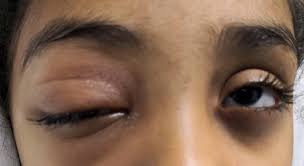
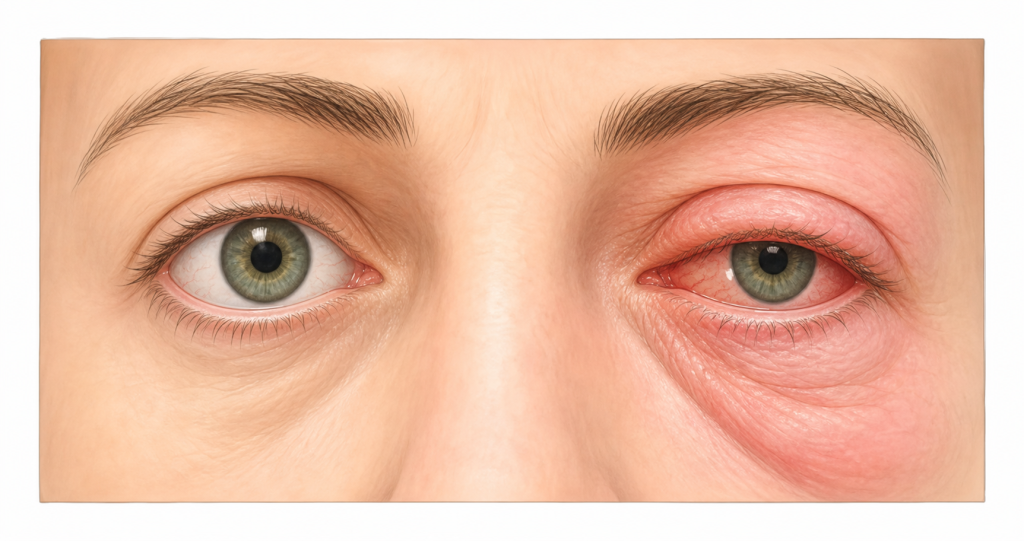
- Swelling or puffiness in the eyelids or eye socket
- Redness in the eye or around the eyelid
- Proptosis (bulging of the eye), causing noticeable changes in the appearance of the eye
- Double vision or blurred vision due to inflammation of the eye muscles
- Restricted eye movement or inability to move the eye in certain directions
- Vision changes, ranging from mild blurriness to loss of vision if the optic nerve is involved
- Headache, especially if the inflammation extends to the surrounding structures
Symptoms may develop quickly and can range from mild to severe, affecting one or both eyes.
How Is Orbital Pseudotumor Diagnosed?
Diagnosis of orbital pseudotumor requires a thorough examination and may involve a combination of tests:
- Physical Examination: The doctor will assess swelling, pain, and eye movement restrictions.
- Imaging Tests:
- CT Scan or MRI to evaluate the extent of inflammation in the orbital structures.
- Ultrasound may also be used in some cases to assess orbital involvement.
- Blood Tests: To rule out systemic diseases or infections that could contribute to the inflammation.
- Biopsy: In rare cases, a biopsy of the affected tissue may be performed to rule out cancer or other conditions that mimic orbital pseudotumor.
How Is Orbital Pseudotumor Treated?
Treatment for orbital pseudotumor focuses on reducing inflammation, managing symptoms, and preventing long-term damage to the eye. The specific treatment plan depends on the severity and extent of the disease.
1. Corticosteroids:
- The mainstay of treatment is oral or intravenous steroids (prednisone) to reduce inflammation.
- In some cases, steroid injections directly into the affected area may be used for localized inflammation.
- Steroid therapy is effective in most patients, but it may need to be tapered down gradually.
2. Immunosuppressive Drugs:
- For cases that do not respond to steroids, medications such as methotrexate, azathioprine, or cyclophosphamide may be prescribed to suppress the immune response.
3. Orbital Surgery:
- Surgery may be needed if there is persistent swelling or damage to the eye structures, such as when a muscle or the optic nerve is severely affected.
- Surgery is generally used for cosmetic reasons or to release pressure on the eye.
4. Supportive Care:
- Pain relievers and anti-inflammatory medications may be prescribed to manage symptoms.
- Cold compresses can help reduce swelling and pain around the eye.
5. Ongoing Monitoring:
- Regular follow-up with an ophthalmologist is necessary to monitor the condition and adjust treatment if needed. Imaging tests may be repeated to ensure the inflammation is resolving.
What Is the Prognosis for Orbital Pseudotumor?
The prognosis for orbital pseudotumor is generally good with early diagnosis and appropriate treatment. Most patients respond well to corticosteroids, and inflammation subsides within a few weeks to months. However, some individuals may experience:
- Recurrence of symptoms after stopping treatment, necessitating further management.
- Permanent damage to the eye or surrounding tissues in severe or untreated cases, such as vision loss or eye muscle dysfunction.
- Chronic inflammation that may require long-term medication.
In rare cases, orbital pseudotumor can lead to more serious complications, including damage to the optic nerve or permanent vision loss.
Can Orbital Pseudotumor Be Prevented?
There is no known way to prevent orbital pseudotumor, as the cause is not fully understood. However, early detection and treatment can significantly reduce the risk of complications. For those with underlying autoimmune conditions, managing the primary disease may help reduce the risk of orbital involvement.
When Should You See a Doctor?
If you experience any of the following symptoms, seek medical attention immediately:
- Unexplained swelling or pain around the eye
- Vision changes, double vision, or difficulty moving the eye
- Bulging or protrusion of the eye
- Persistent redness or irritation in the eye