


What is Diabetic Vitreopathy?
Diabetic Vitreopathy refers to a condition affecting the vitreous gel of the eye, which is associated with complications from diabetes. It often occurs as a result of diabetic retinopathy, where damage to the blood vessels in the retina leads to the development of abnormalities in the vitreous body. Over time, these changes can lead to vision problems and even permanent vision loss if left untreated.
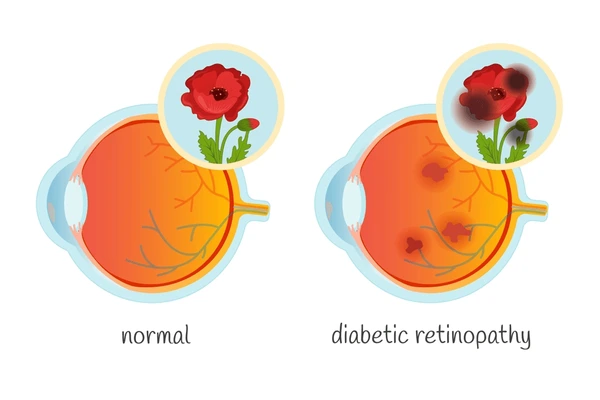
What causes Diabetic Vitreopathy?
The primary cause of Diabetic Vitreopathy is the prolonged effect of diabetic retinopathy on the retina, particularly when blood vessels become damaged due to high blood sugar levels. The most common causes include:
- Diabetic Retinopathy – In this condition, the small blood vessels in the retina leak fluid or become blocked, leading to swelling and scar tissue formation. This scar tissue can affect the vitreous, causing it to become cloudy or lead to retinal detachment.
- Vitreous hemorrhage – Blood leaking from damaged retinal blood vessels into the vitreous body can result in vitreous hemorrhage, which impairs vision.
- Tractional Retinal Detachment – Scar tissue on the retina can pull on the vitreous, leading to retinal detachment, which is a serious complication that can cause permanent vision loss.
What are the symptoms of Diabetic Vitreopathy?
The symptoms of Diabetic Vitreopathy can range from mild to severe, depending on the extent of damage to the eye. Common symptoms include:
- Blurry vision – Difficulty seeing clearly due to clouding of the vitreous or leakage of blood into the vitreous body.
- Floaters – The presence of small dark spots or lines in the vision, which are caused by blood or scar tissue floating in the vitreous gel.
- Reduced vision – Gradual or sudden vision loss, particularly in cases where a vitreous hemorrhage occurs.
- Flashes of light – In some cases, traction on the retina or vitreous can cause flashes of light or a sensation of seeing bright lights in the peripheral vision.
- Difficulty seeing in dim light – As the condition progresses, individuals may experience difficulty seeing in low-light situations.
How is Diabetic Vitreopathy diagnosed?
Diabetic Vitreopathy is diagnosed through a comprehensive eye exam that may include the following tests:
- Dilated eye exam – The eye doctor will dilate the pupils using special eye drops to examine the retina and vitreous for any signs of damage or leakage.
- Fundus photography – A photograph of the retina can help doctors assess the extent of damage and monitor the progression of diabetic retinopathy and vitreopathy.
- Fluorescein angiography – A special dye is injected into a vein, and photographs of the retina are taken to highlight any leaking blood vessels.
- Optical coherence tomography (OCT) – This imaging technique provides detailed cross-sectional images of the retina and vitreous, helping to detect swelling, fluid buildup, or any retinal abnormalities.
- Ultrasound – In cases where a vitreous hemorrhage is suspected, an ultrasound may be used to assess the vitreous body for signs of blood or other abnormalities.

How is Diabetic Vitreopathy treated?
The treatment for Diabetic Vitreopathy depends on the severity of the condition and the specific complications present. Common treatment options include:
- Laser therapy – For advanced diabetic retinopathy that leads to vitreous complications, laser surgery can be used to treat leaking blood vessels and reduce the risk of further vision problems.
- Intravitreal injections – Injections of medications such as anti-VEGF (vascular endothelial growth factor) agents may be used to reduce swelling and prevent further damage to the retina and vitreous body.
- Vitrectomy – A surgical procedure in which the vitreous gel is removed and replaced with a saline solution. This is typically done in cases of severe vitreous hemorrhage or retinal detachment.
- Corticosteroid injections – In some cases, steroids may be injected into the vitreous to reduce inflammation and improve vision.
What are the complications of Diabetic Vitreopathy?
If left untreated, Diabetic Vitreopathy can lead to several serious complications, including:
- Permanent vision loss – If the condition progresses, it can lead to significant vision impairment or blindness, especially if retinal detachment occurs.
- Retinal detachment – Scar tissue can pull on the retina, causing it to detach from the back of the eye, which requires immediate medical attention to prevent blindness.
- Increased risk of glaucoma – High pressure in the eye may develop as a result of vitreous complications, leading to glaucoma and further damage to the optic nerve.
- Severe hemorrhages – Blood in the vitreous body can cause sudden and significant vision loss, which may be difficult to treat if not addressed promptly.
How can Diabetic Vitreopathy be prevented?
Preventing Diabetic Vitreopathy primarily involves managing diabetes and its complications effectively. Key prevention strategies include:
- Controlling blood sugar levels – Keeping blood sugar within a target range reduces the risk of diabetic retinopathy and vitreopathy.
- Regular eye exams – People with diabetes should have annual eye exams, including dilated eye exams, to detect any signs of retinopathy or vitreous complications early.
- Managing blood pressure and cholesterol – Keeping blood pressure and cholesterol levels under control can help prevent damage to the blood vessels in the eyes and reduce the risk of vitreopathy.
- Healthy lifestyle choices – Eating a balanced diet, exercising regularly, and maintaining a healthy weight can reduce the risk of diabetic complications and improve overall health.
- Quitting smoking – Smoking increases the risk of eye diseases, including diabetic retinopathy and vitreopathy, so quitting is crucial for eye health.
When should you see a doctor for Diabetic Vitreopathy?
If you have diabetes and experience changes in your vision, such as blurred vision, floaters, or flashes of light, it is important to see an eye care specialist as soon as possible. Early detection and treatment of diabetic vitreopathy can help prevent serious complications and preserve vision.
Can Diabetic Vitreopathy be cured?
There is currently no cure for Diabetic Vitreopathy, but the condition can be managed with appropriate treatment. Regular monitoring, along with interventions such as laser therapy, injections, or surgery, can significantly improve outcomes and help prevent further damage to the eye.
