What Is Kissing Disease (Mononucleosis)?
Kissing disease, more formally known as mononucleosis, is a viral infection primarily caused by the Epstein-Barr virus (EBV), a member of the herpesvirus family. This condition is most commonly transmitted through the exchange of saliva, hence the term “kissing disease.” However, it can also spread through other bodily fluids such as blood and semen or by sharing utensils, drinks, or other items contaminated with the virus.

What Are the Causes of Kissing Disease (Mononucleosis)?
Epstein-Barr Virus (EBV)
The main cause of mononucleosis is the Epstein-Barr virus (EBV), which is transmitted through saliva, but can also spread through blood, sexual contact, or by sharing personal items like utensils or drinks. EBV is highly contagious and remains active in the body even after symptoms have subsided.
Other Routes of Transmission
Although kissing is a common method of transmission, sharing eating utensils, drinking glasses, and exposure to coughs or sneezes can also lead to the spread of the virus. In rare cases, it can be transmitted through organ transplants, blood transfusions, or sexual contact.
What Are the Symptoms of Kissing Disease (Mononucleosis)?
Fatigue
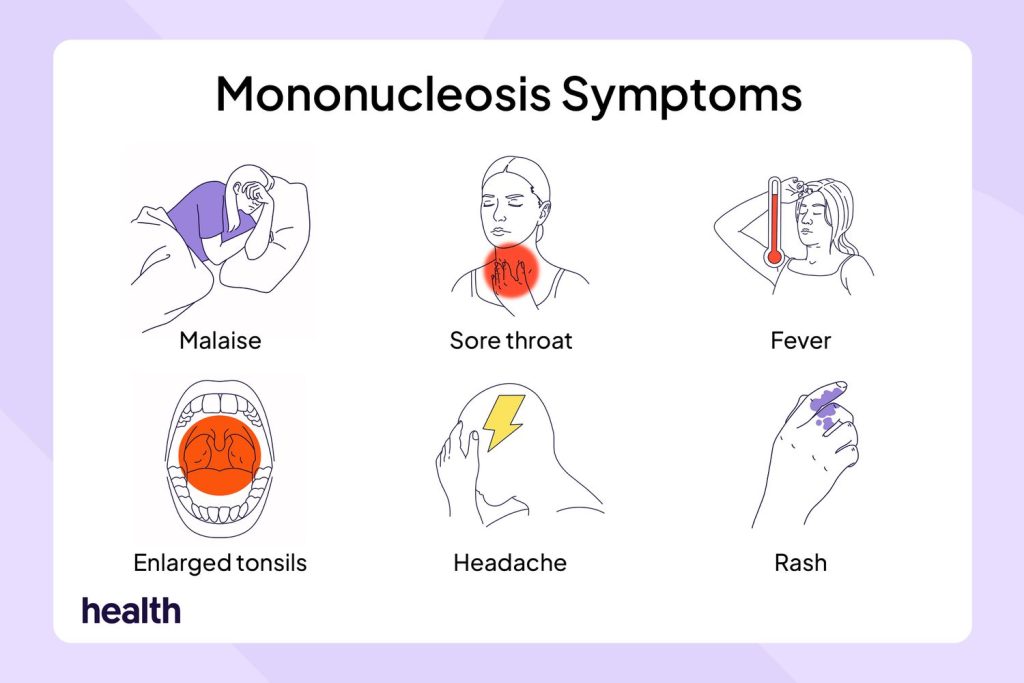
One of the hallmark symptoms of mononucleosis is extreme fatigue, which can last for weeks or even months, significantly affecting daily activities.
Sore Throat
A severe sore throat, often accompanied by white patches on the tonsils, is another common symptom.
Swollen Lymph Nodes
People with mononucleosis often experience swollen lymph nodes, particularly in the neck and underarms, as the body responds to the infection.
Fever
A high fever is frequently present during the acute phase of the disease, often along with chills and sweating.
Headache and Muscle Aches
Individuals may experience headaches and muscle aches similar to other viral infections.
Enlarged Spleen or Liver
In some cases, the spleen or liver may become enlarged, leading to discomfort or pain in the upper left side of the abdomen.
Rash
A rash may occur in some individuals, particularly if they are treated with certain antibiotics, such as amoxicillin or ampicillin.
How Is Kissing Disease (Mononucleosis) Diagnosed?
Physical Examination
A healthcare provider may begin the diagnostic process by performing a physical examination, looking for signs such as swollen lymph nodes, sore throat, and enlarged spleen or liver.
Blood Tests
Several blood tests can confirm the diagnosis of mononucleosis, including:
- Monospot test: A quick test that detects heterophile antibodies, which are produced in response to EBV infection.
- EBV-specific tests: More precise blood tests that look for specific antibodies against Epstein-Barr virus.
Complete Blood Count (CBC)
A CBC can reveal an elevated white blood cell count, including an increase in a specific type of white blood cell called atypical lymphocytes, which is characteristic of mononucleosis.
How Is Kissing Disease (Mononucleosis) Treated?
Symptomatic Treatment
There is no specific antiviral treatment for mononucleosis. Treatment focuses on relieving symptoms and improving comfort. Common approaches include:
- Rest: Getting plenty of rest to help the body fight the infection.
- Fluids: Staying hydrated to reduce fever and soothe a sore throat.
- Over-the-Counter Pain Relievers: Medications such as ibuprofen or acetaminophen can help reduce fever and relieve pain.
Corticosteroids
In some cases, especially when there is significant swelling of the tonsils or difficulty breathing, corticosteroids like prednisone may be prescribed to reduce inflammation.
Avoiding Physical Activity
It is important to avoid contact sports or strenuous activities during recovery, especially if there is an enlarged spleen, as it could rupture under pressure.
How Can Kissing Disease (Mononucleosis) Be Prevented?
Avoiding Contact with Infected Individuals
The best way to prevent kissing disease is to avoid close contact, particularly kissing, with individuals who are infected with the Epstein-Barr virus or are showing symptoms of mononucleosis.
Good Hygiene Practices
Regular hand washing, avoiding the sharing of utensils, glasses, or toothbrushes, and covering your mouth and nose when sneezing or coughing can help prevent the spread of the virus.
Avoiding Exposure to Infected Saliva
Since the virus is spread through saliva, not sharing drinks or utensils with others is another key preventive measure.
Monitor Symptoms and Seek Early Diagnosis
If you or someone close to you is showing symptoms of mononucleosis, it is important to seek a healthcare provider’s advice for an accurate diagnosis and early treatment.
What Are the Long-Term Effects of Kissing Disease (Mononucleosis)?
Chronic Fatigue
In some cases, individuals with mononucleosis may experience chronic fatigue for an extended period of time, even after the acute symptoms have resolved. This can interfere with daily activities and may require additional medical attention.
Complications
Though rare, complications of mononucleosis can occur, including:
- Enlarged spleen or liver that can lead to rupture.
- Heart issues, such as myocarditis (inflammation of the heart muscle).
- Neurological issues, such as encephalitis or meningitis.
- Secondary infections, such as strep throat or tonsillitis.
Risk of Recurrence
While most people recover fully from mononucleosis, there may be a higher risk of developing secondary infections or complications if the immune system is weakened.