What is Alcoholic Hepatitis?
Alcoholic hepatitis is a serious and potentially life-threatening liver condition caused by excessive alcohol consumption over time. It is an inflammatory liver disease that occurs due to the toxic effects of alcohol, leading to liver cell damage, swelling, and scarring. If untreated, it can progress to liver failure or cirrhosis.
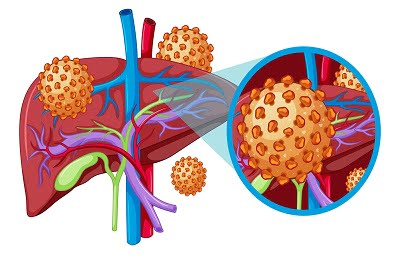
Causes of Alcoholic Hepatitis
The primary cause of alcoholic hepatitis is chronic alcohol consumption, but additional factors contribute to its severity:
✔ Heavy Alcohol Use – Drinking large amounts of alcohol over many years damages liver cells.
✔ Binge Drinking – Sudden, excessive drinking can trigger acute liver inflammation.
✔ Genetics – Some individuals are more genetically predisposed to liver damage from alcohol.
✔ Malnutrition – Alcohol interferes with nutrient absorption, making the liver more vulnerable.
✔ Obesity – Increases the risk of fat accumulation in the liver, worsening inflammation.
✔ Other Liver Conditions – Having hepatitis B or C or non-alcoholic fatty liver disease (NAFLD) can increase susceptibility.

Who is at Risk?
✔ Individuals who consume excessive alcohol regularly.
✔ Women – Due to differences in alcohol metabolism, women are more susceptible to liver damage.
✔ People with poor nutrition – Malnourishment worsens liver inflammation.
✔ Individuals with a family history of liver disease.
✔ People with pre-existing liver conditions – Increases the risk of severe complications.
Symptoms of Alcoholic Hepatitis
Symptoms can range from mild to severe and may develop gradually or suddenly:
✔ Jaundice (Yellowing of Skin & Eyes) – Due to impaired liver function.
✔ Loss of Appetite & Weight Loss – Common due to poor liver metabolism.
✔ Abdominal Pain & Tenderness – Especially in the upper right side of the abdomen.
✔ Fatigue & Weakness – Resulting from liver dysfunction.
✔ Nausea & Vomiting – Common in moderate to severe cases.
✔ Swelling in Legs & Abdomen (Ascites) – Due to fluid retention from liver damage.
✔ Mental Confusion (Hepatic Encephalopathy) – Toxin buildup affects brain function.
✔ Fever & Increased Heart Rate – Often seen in severe alcoholic hepatitis.

Complications of Alcoholic Hepatitis
⚠ Liver Cirrhosis – Scarring of the liver, leading to permanent damage.
⚠ Liver Failure – Severe cases can result in life-threatening liver dysfunction.
⚠ Gastrointestinal Bleeding – Due to ruptured veins (varices) in the esophagus or stomach.
⚠ Kidney Failure – Liver dysfunction can affect kidney function.
⚠ Increased Infection Risk – Due to weakened immune function.
How is Alcoholic Hepatitis Diagnosed?
✔ Blood Tests (Liver Function Tests – LFTs) – Check bilirubin, liver enzymes (AST, ALT), and albumin levels.
✔ Complete Blood Count (CBC) – Helps detect infection and anemia.
✔ Coagulation Tests – To assess blood clotting function.
✔ Ultrasound or CT Scan – Identifies liver size, scarring, and fluid buildup.
✔ Liver Biopsy – Confirms alcoholic hepatitis and severity of liver damage.
Treatment for Alcoholic Hepatitis
Treatment focuses on stopping alcohol use, reducing liver inflammation, and preventing complications.
Lifestyle & Dietary Changes:
✔ Complete Alcohol Abstinence – The most crucial step to allow liver healing.
✔ Nutritional Support – A high-protein, nutrient-rich diet to improve liver function.
✔ Vitamin & Mineral Supplements – Thiamine, folate, and vitamin B12 for malnutrition recovery.
Medications & Therapies:
✔ Corticosteroids (e.g., Prednisolone) – Reduce inflammation in severe cases.
✔ Pentoxifylline – May help in patients who cannot tolerate steroids.
✔ Diuretics – Reduce fluid buildup (ascites) in the abdomen.
✔ Liver Transplant – In end-stage cases, a liver transplant may be the only option.
How to Prevent Alcoholic Hepatitis?
✔ Limit Alcohol Consumption – Follow recommended guidelines for safe alcohol intake.
✔ Maintain a Healthy Diet – A balanced diet supports liver function.
✔ Stay Hydrated – Helps the liver detoxify properly.
✔ Regular Health Checkups – Early detection can prevent severe liver damage.
✔ Exercise Regularly – Helps prevent fat accumulation in the liver.
Prognosis & Long-Term Outlook
✔ Mild to Moderate Cases Can Improve – If alcohol is stopped and proper treatment is followed.
✔ Severe Cases Have a High Mortality Rate – Without intervention, alcoholic hepatitis can be fatal.
✔ Liver Transplant May Be Required – For patients with irreversible liver damage.