


What Is Klotho Protein Deficiency?
Klotho protein deficiency refers to a condition where the body has abnormally low levels or activity of Klotho, an anti-aging protein primarily produced in the kidneys and brain. This protein plays a critical role in regulating calcium-phosphate balance, oxidative stress, vascular health, and aging processes.
A deficiency in Klotho has been linked to accelerated aging, chronic kidney disease, cardiovascular problems, and cognitive decline.
What Is the Klotho Protein?
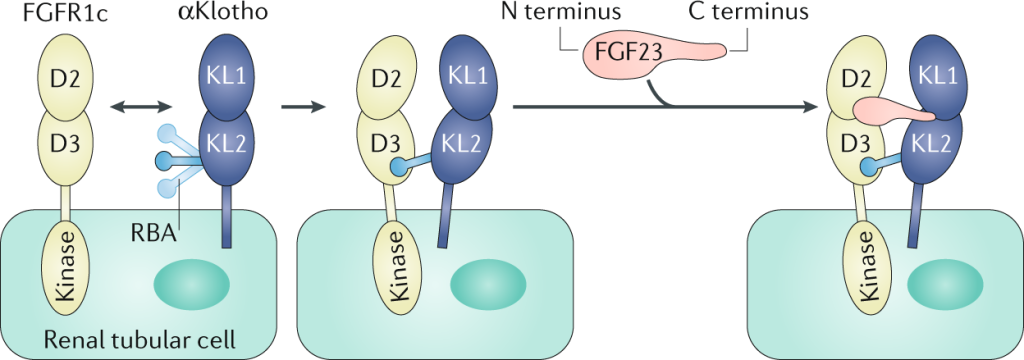
Klotho is a transmembrane protein that also exists in soluble form in the blood. It is named after Clotho, one of the Greek Fates who spins the thread of life, symbolizing its role in lifespan regulation.
Key functions of Klotho include:
- Regulating phosphate and calcium metabolism
- Protecting against oxidative stress
- Suppressing inflammation
- Modulating insulin and IGF-1 signaling
- Influencing endothelial function and vascular tone
- Supporting brain function and cognitive performance
Causes of Klotho Deficiency
Klotho deficiency can be genetic, age-related, or secondary to disease. Common causes include:
- Chronic kidney disease (CKD) – reduced renal production of Klotho
- Aging – natural decline in Klotho expression with age
- Oxidative stress and inflammation
- Diabetes and metabolic syndrome
- Genetic mutations in the Klotho gene
- Hypertension and cardiovascular disorders

Symptoms and Associated Conditions
While there is no single set of symptoms for Klotho deficiency, it has been associated with several health conditions:
- Early signs of aging (e.g., skin thinning, muscle wasting)
- Cognitive decline or memory issues
- Arterial stiffness and high blood pressure
- Increased risk of atherosclerosis
- Impaired kidney function
- Bone mineral imbalance and calcification
- Reduced lifespan in animal models
It is considered a biomarker of aging and healthspan.
Diagnosis
Klotho deficiency is typically identified through:
- Blood tests measuring soluble Klotho protein levels
- Genetic testing for mutations in the Klotho gene (in suspected hereditary cases)
- Clinical assessment for related disorders like CKD, cardiovascular disease, or cognitive impairment
Low Klotho levels are often observed in patients with chronic kidney disease, making it a useful biomarker in nephrology.
Treatment and Management
There is no direct cure for Klotho deficiency, but research is ongoing. Current approaches focus on:
- Treating underlying conditions like kidney disease or diabetes
- Reducing phosphate load through diet or phosphate binders
- Vitamin D supplementation (under medical supervision)
- Antioxidant therapies to lower oxidative stress
- Exercise and calorie restriction, which may naturally boost Klotho expression
- Experimental gene therapy or recombinant Klotho protein (under investigation)
Some studies suggest that lifestyle factors like physical activity, healthy diet, and stress reduction may help maintain higher levels of Klotho.
Research and Future Directions
Klotho has become a major focus in anti-aging research and regenerative medicine. Ongoing investigations are exploring:
- Recombinant Klotho therapies to treat aging-related diseases
- Klotho enhancers (drugs or natural compounds that increase Klotho levels)
- Its role in neurodegenerative diseases, such as Alzheimer’s
- Klotho as a biomarker for predicting cardiovascular risk or mortality
Animal studies have shown that increasing Klotho expression can extend lifespan and improve resistance to age-related decline.
Summary
Klotho protein deficiency is a growing area of interest due to its strong ties to aging, kidney health, brain function, and cardiovascular disease. Although there is no direct therapy yet, understanding and managing the conditions associated with Klotho deficiency can help slow progression, protect organs, and improve quality of life.