What Is Enteritis?
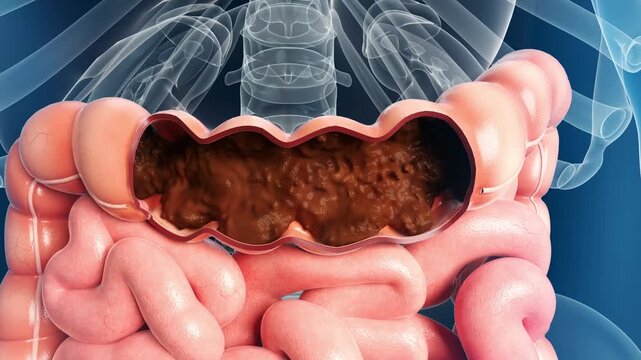
Enteritis is the medical term for the inflammation of the intestines, typically affecting the small intestine. This condition can result from various causes, including infections, chronic diseases, and certain medications. The inflammation leads to symptoms such as abdominal pain, diarrhea, and nausea. Enteritis can be acute, occurring suddenly and lasting a short period, or chronic, developing over time and potentially lasting for months or even years.

What Are the Causes and Risk Factors of Enteritis?
The causes of enteritis can vary widely, ranging from infections to autoimmune conditions. Some common causes and risk factors include:
1. Infections
- Bacterial Infections: Common bacteria, such as Salmonella, Campylobacter, and Escherichia coli (E. coli), can cause foodborne illnesses that lead to enteritis.
- Viral Infections: Viruses like norovirus and rotavirus are common culprits of viral enteritis, often causing outbreaks in communities or healthcare settings.
- Parasitic Infections: Parasites like Giardia or Entamoeba histolytica can lead to intestinal inflammation, particularly in areas with poor sanitation.
2. Inflammatory Bowel Disease (IBD)
- Conditions like Crohn’s disease and ulcerative colitis fall under IBD, where the body’s immune system mistakenly attacks the intestines, leading to chronic inflammation.
3. Medications and Toxins
- Nonsteroidal Anti-Inflammatory Drugs (NSAIDs): Long-term use of NSAIDs like ibuprofen can irritate the intestines and lead to enteritis.
- Antibiotics: Antibiotics can alter the balance of bacteria in the gut, leading to conditions like Clostridium difficile (C. difficile) infection, which causes inflammation.
- Radiation Therapy: People undergoing radiation for cancer treatment may develop radiation-induced enteritis.
4. Food Allergies or Sensitivities
- Certain food allergies, including those to dairy, gluten, or other specific foods, can result in inflammation and irritation of the intestines, leading to enteritis-like symptoms.
5. Ischemic Enteritis
- This occurs when the blood flow to the intestines is reduced, often due to a blockage in blood vessels, leading to inflammation.
What Are the Symptoms of Enteritis?
The symptoms of enteritis can vary based on the underlying cause and the severity of the inflammation. Common symptoms include:
- Abdominal Pain: Cramping or a dull ache in the stomach area is common in cases of enteritis.
- Diarrhea: Frequent, watery stools are a hallmark symptom, often accompanied by urgency and discomfort.
- Nausea and Vomiting: Many people with enteritis experience nausea and sometimes vomiting, which can lead to dehydration.
- Fever: Infections and inflammatory conditions may cause fever, indicating the body’s response to inflammation or infection.
- Bloating and Gas: Feeling bloated or having excessive gas may occur due to gastrointestinal irritation.
- Loss of Appetite: Due to the discomfort caused by the condition, many individuals lose their appetite.
- Blood in Stool: In some cases, particularly with certain infections or IBD, blood may appear in the stool, signaling more severe inflammation.
How Is Enteritis Diagnosed?
To diagnose enteritis, your healthcare provider will likely perform a combination of tests:
- Medical History and Symptoms Review: Your doctor will begin by asking about your symptoms, medical history, and potential exposures to infectious agents (like contaminated food or water).
- Physical Examination: The doctor will palpate (press on) your abdomen to check for signs of tenderness or swelling, which can indicate inflammation.
- Stool Tests: If an infection is suspected, stool samples may be tested to identify bacteria, viruses, or parasites.
- Blood Tests: Blood tests can check for signs of infection, inflammation, and dehydration, as well as rule out other conditions.
- Imaging Studies: In some cases, your doctor may recommend imaging tests, such as an X-ray, CT scan, or ultrasound, to get a clearer picture of the intestines and assess the extent of inflammation.
- Endoscopy or Colonoscopy: In cases of chronic or severe enteritis, procedures like an endoscopy or colonoscopy may be used to view the lining of the intestines directly and collect tissue samples for biopsy.
How Is Enteritis Treated?
Treatment for enteritis depends on the underlying cause and severity of the condition. Common treatments include:
1. Rest and Hydration
- For mild cases, especially when caused by a viral infection, rest and staying hydrated may be all that’s needed. It’s important to drink plenty of fluids to avoid dehydration, particularly if diarrhea or vomiting is present.
2. Antibiotics or Antivirals
- If enteritis is caused by a bacterial infection, antibiotics may be prescribed. For viral infections, antiviral medications may be used in certain cases, though many viral infections resolve on their own.
3. Anti-inflammatory Medications
- If the cause is related to inflammatory bowel disease (IBD), medications such as corticosteroids or immunosuppressive drugs may be used to reduce inflammation.
4. Probiotics
- Probiotics may help restore the balance of beneficial bacteria in the gut, particularly after taking antibiotics, and may aid in recovery from enteritis.
5. Pain Relief and Antispasmodics
- Over-the-counter pain relievers, such as acetaminophen, can help relieve mild abdominal pain. Antispasmodic medications may also be prescribed to reduce cramping.
6. Dietary Changes
- For some individuals, avoiding certain foods or following a special diet may be necessary to manage symptoms. A bland diet may be recommended during the acute phase of illness, and once recovered, a more regular diet can be reintroduced gradually.
7. Surgery
- In rare cases, such as with severe or chronic inflammatory conditions like Crohn’s disease, surgery may be necessary to remove affected portions of the intestine.
When Should You See a Doctor About Enteritis?
You should see a healthcare provider if you experience:
- Persistent diarrhea that lasts for more than a couple of days.
- Severe abdominal pain that doesn’t improve.
- Blood in your stool.
- Symptoms of dehydration, including dry mouth, dizziness, or dark urine.
- Fever that doesn’t go away.
If left untreated, enteritis can lead to complications such as dehydration, malnutrition, or long-term damage to the intestines, so it’s important to seek medical attention when needed.
Can Enteritis Be Prevented?
While not all cases of enteritis can be prevented, there are steps you can take to reduce your risk:
- Practice Good Hygiene: Wash your hands regularly, especially after using the bathroom and before handling food.
- Avoid Contaminated Food and Water: Be cautious about eating raw or undercooked food, particularly seafood, meats, and eggs. Drink clean, safe water, and avoid drinking from questionable sources.
- Vaccinations: Vaccines, like the rotavirus vaccine for infants, can help prevent certain viral infections that lead to enteritis.
- Limit NSAID Use: If you use NSAIDs regularly, try to limit your intake or discuss alternatives with your healthcare provider to avoid potential damage to the intestines.