What Is Impaired Wound Healing?
Impaired wound healing refers to a delay or failure in the natural healing process of the body after an injury, surgery, or skin breakdown. Normally, wounds go through phases—inflammation, tissue growth, and remodeling—but in impaired healing, one or more stages are disrupted, causing wounds to heal slowly, improperly, or not at all.
This condition can increase the risk of infection, chronic wounds, scarring, and even amputation in severe cases.
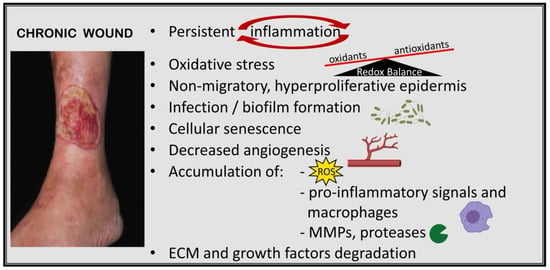
What Causes Impaired Wound Healing?
Several factors can interfere with normal wound healing, including:
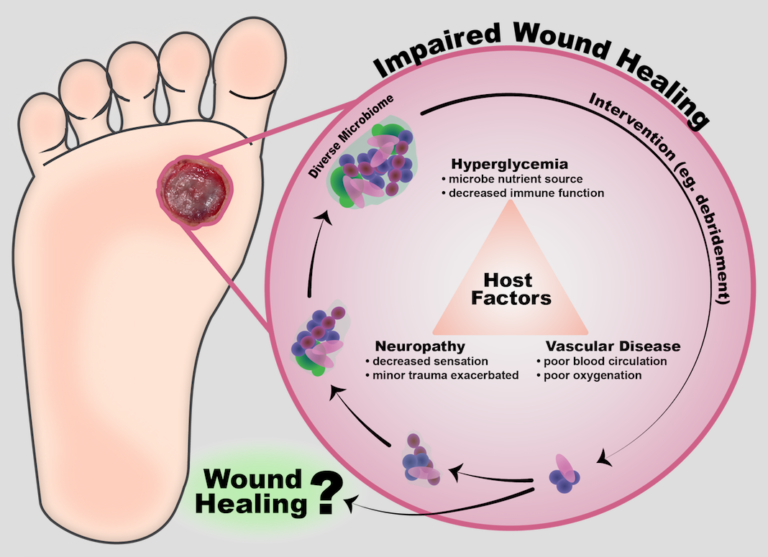
1. Poor Blood Supply
- Reduced circulation (e.g., in peripheral artery disease)
- Low oxygen levels (hypoxia)
2. Infection
- Bacteria or fungi in the wound can delay or stop healing
3. Chronic Conditions
- Diabetes: high blood sugar damages blood vessels and nerves
- Kidney or liver disease
- Cancer or autoimmune diseases
4. Nutritional Deficiencies
- Lack of protein, vitamin C, zinc, or iron
5. Age
- Older adults often have slower healing due to reduced skin elasticity and cell regeneration
6. Medications
- Steroids, chemotherapy, or anti-inflammatory drugs can suppress the healing response
7. Lifestyle Factors
- Smoking
- Alcohol abuse
- Obesity
- Stress
What Are the Signs of Impaired Wound Healing?
A wound may not be healing properly if you notice:
- Persistent redness, swelling, or warmth
- Oozing or foul-smelling discharge
- Pain that doesn’t improve
- Wound edges not closing
- Tissue around the wound breaking down
- Dark or dead tissue (necrosis)
- Fever or chills (if infection is present)
Wounds that take longer than 4–6 weeks to heal may be considered chronic.
How Is Impaired Wound Healing Diagnosed?
A healthcare provider will:
- Examine the wound for signs of infection or poor tissue growth
- Ask about medical history, medications, and lifestyle habits
- Order blood tests to check for diabetes, infection, or nutrient deficiencies
- Perform wound cultures to identify bacteria
- In some cases, imaging (e.g., ultrasound or X-ray) is used to check for deeper issues like abscesses or bone infections
How Is Impaired Wound Healing Treated?
Treatment aims to remove obstacles to healing and support the wound through each healing phase.
1. Wound Cleaning and Debridement
- Removing dead or infected tissue helps stimulate healing
2. Infection Control
- Use of topical or oral antibiotics
- Antiseptic dressings or advanced wound care products
3. Moist Wound Environment
- Use of hydrocolloid, foam, or hydrogel dressings that promote optimal healing
4. Blood Sugar Control
- Essential in diabetic patients to prevent worsening of wounds
5. Nutrition Support
- Ensuring adequate protein, vitamins A and C, zinc, and iron intake
6. Advanced Therapies
- Negative pressure wound therapy (NPWT)
- Hyperbaric oxygen therapy (HBOT)
- Skin grafts or bioengineered skin substitutes in difficult cases
7. Lifestyle Modifications
- Quitting smoking
- Managing chronic diseases
- Maintaining a healthy weight
Can Impaired Wound Healing Be Prevented?
Yes, many cases can be prevented with proactive care:
- Manage diabetes and other chronic illnesses
- Eat a nutrient-rich diet
- Keep wounds clean and protected
- Avoid smoking and excessive alcohol use
- Exercise regularly to improve circulation
- Monitor wounds closely, especially in people with poor sensation (like those with diabetic neuropathy)
What Is the Outlook for People with Impaired Wound Healing?
The outcome depends on the cause and how early treatment begins. When addressed promptly:
- Many wounds can heal completely with proper care
- Complications like infection, scarring, or tissue loss can be avoided
- Chronic wounds may take weeks or months, but often show improvement with advanced treatment methods
However, untreated impaired wound healing can lead to serious problems like:
- Wound infections
- Cellulitis
- Osteomyelitis (bone infection)
- Gangrene and limb amputation
When Should You See a Doctor?
You should seek medical attention if:
- A wound is not healing after 2–3 weeks
- You see signs of infection (fever, redness, pus)
- The wound becomes larger, deeper, or more painful
- You have a chronic condition like diabetes and notice a new wound
- There’s numbness or discolored skin around the wound