


What is a Bacterial Infection?
A bacterial infection occurs when harmful bacteria enter the body and multiply, leading to illness. Bacteria can infect different parts of the body, including the skin, lungs, digestive system, urinary tract, and bloodstream.
Bacterial infections range from mild to severe and can be treated with antibiotics. However, some bacterial infections can become dangerous if left untreated, leading to complications like sepsis, organ damage, or chronic illness.
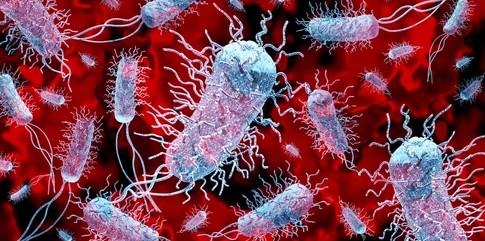
What Causes Bacterial Infections?
Bacterial infections are caused by harmful bacteria that invade the body. These bacteria can spread through:
- Direct Contact – Skin-to-skin contact, sexual contact, or touching contaminated surfaces
- Airborne Transmission – Coughing or sneezing releases bacteria into the air
- Contaminated Food or Water – Ingesting bacteria from spoiled or undercooked food
- Insect Bites – Mosquitoes, ticks, and fleas can transmit bacterial infections
- Weakened Immune System – Chronic illnesses or immune deficiencies make infections more likely
Which Bacteria Commonly Cause Infections?
Some of the most common bacteria responsible for infections include:
- Streptococcus – Causes strep throat, pneumonia, and skin infections
- Staphylococcus aureus – Leads to skin infections, abscesses, and toxic shock syndrome
- Escherichia coli (E. coli) – Affects the digestive system, leading to food poisoning
- Salmonella – Causes foodborne illness
- Clostridium difficile (C. difficile) – Triggers severe diarrhea and colitis
- Mycobacterium tuberculosis – Causes tuberculosis (TB)

What Are the Symptoms of a Bacterial Infection?
How Do Bacterial Infections Affect the Body?
Symptoms vary depending on the type and location of the infection.
Common Symptoms of Bacterial Infections
- Fever and chills
- Fatigue and weakness
- Pain and swelling in the affected area
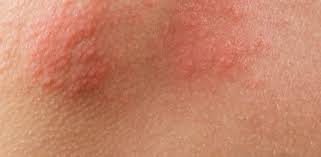
- Redness, warmth, or pus at the site of infection
- Persistent cough (if affecting the respiratory system)
- Diarrhea, nausea, and vomiting (if affecting the digestive system)
- Burning sensation during urination (if affecting the urinary tract)
When Should You See a Doctor?
Seek medical help if you experience:
- High fever (above 102°F or 39°C)
- Severe pain or swelling
- Persistent diarrhea or vomiting leading to dehydration
- Difficulty breathing
- Skin infections that spread or worsen
- Unexplained weight loss and fatigue
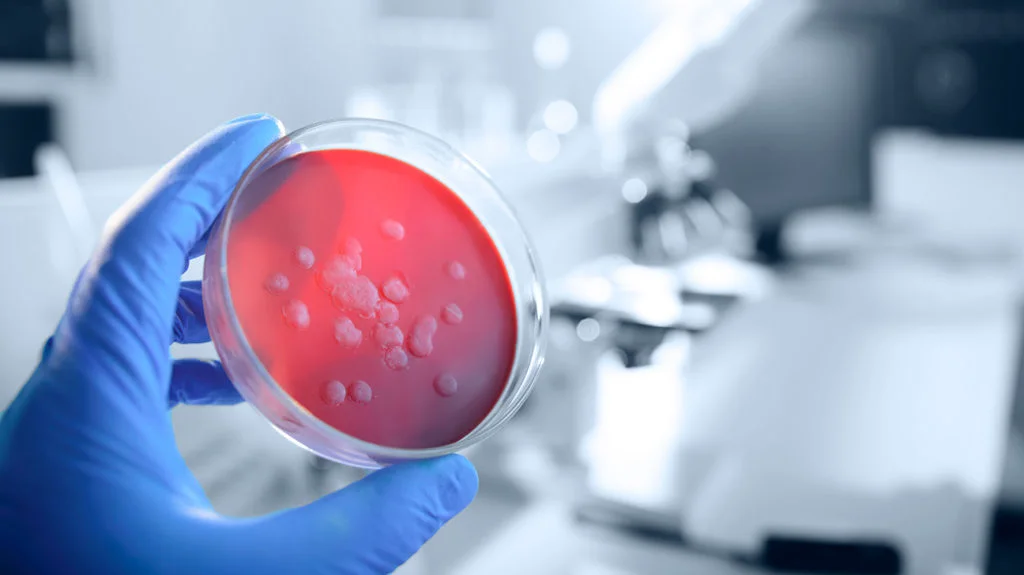
How is a Bacterial Infection Diagnosed?
Doctors use various diagnostic tests based on symptoms and the affected body part.
Common Diagnostic Tests for Bacterial Infections
- Physical Examination – Checking for signs like swelling, redness, or fever
- Blood Tests – Identifies bacterial infections in the bloodstream
- Urine Tests – Detects infections in the urinary tract
- Stool Sample – Identifies bacteria causing digestive infections
- Throat Swab – Diagnoses strep throat or respiratory infections
- X-rays or CT Scans – Helps detect infections in organs like the lungs
What is the Treatment for a Bacterial Infection?
How Are Bacterial Infections Treated?
The treatment depends on the severity and type of infection.
1. Antibiotic Therapy
Antibiotics are the most common treatment for bacterial infections. The type of antibiotic depends on the specific bacteria causing the infection.
- Penicillins (Amoxicillin, Ampicillin) – Used for respiratory and skin infections
- Cephalosporins (Cephalexin, Ceftriaxone) – Treats pneumonia, meningitis, and urinary tract infections
- Macrolides (Azithromycin, Erythromycin) – Effective against respiratory and soft tissue infections
- Tetracyclines (Doxycycline) – Used for Lyme disease, acne, and respiratory infections
- Fluoroquinolones (Ciprofloxacin, Levofloxacin) – Treats urinary tract infections and severe bacterial diseases
2. Pain and Fever Management
- Acetaminophen or Ibuprofen – Helps reduce fever and pain
- Plenty of Fluids – Prevents dehydration and supports recovery
3. Wound Care (For Skin Infections)
- Cleaning the Affected Area – Washing with antiseptic soap
- Applying Topical Antibiotics – Reduces infection risk
- Covering Open Wounds – Prevents bacterial exposure
What Are the Complications of Bacterial Infections?
If left untreated, bacterial infections can lead to severe complications such as:
- Sepsis – A life-threatening condition where bacteria spread into the bloodstream
- Pneumonia – Severe lung infection
- Meningitis – Inflammation of the brain and spinal cord
- Abscesses – Pockets of pus in the body
- Organ Damage – If bacteria spread to vital organs
How Can Bacterial Infections Be Prevented?
What Are the Best Ways to Prevent Bacterial Infections?
- Wash Hands Regularly – Using soap and water
- Practice Food Safety – Cook meat thoroughly, avoid unpasteurized dairy
- Stay Up to Date on Vaccinations – Prevents bacterial diseases like tuberculosis and tetanus
- Avoid Contact with Infected Individuals – Reduces risk of transmission
- Maintain a Healthy Immune System – Eat a balanced diet, exercise, and get enough sleep
