What is Joint Stiffness?
Joint stiffness refers to the difficulty or discomfort in moving a joint normally. It is a common symptom that can occur after waking up, following periods of inactivity, or as part of an underlying joint condition. Stiffness can affect one or multiple joints and may last a few minutes or persist for hours.
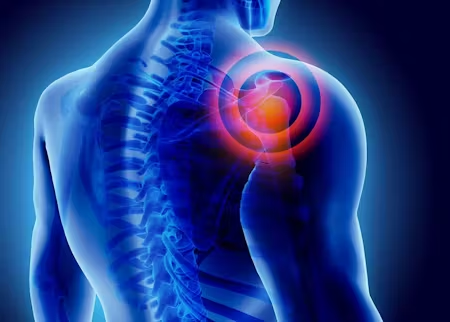
What causes Joint Stiffness?
There are several possible causes of joint stiffness, including:
- Arthritis (such as osteoarthritis, rheumatoid arthritis, or psoriatic arthritis)
- Injury (sprains, fractures, or ligament damage)
- Overuse or repetitive strain
- Bursitis or tendinitis
- Infections affecting the joints
- Autoimmune diseases
- Aging, as joints naturally lose flexibility over time
- Muscle tightness or weakness surrounding the joint
What are the symptoms associated with Joint Stiffness?
Depending on the cause, joint stiffness may be accompanied by:
- Pain or discomfort during movement
- Swelling or inflammation
- Warmth or redness around the joint
- Limited range of motion
- Clicking or grinding sounds
- Fatigue, especially with autoimmune-related stiffness
Morning stiffness that lasts more than an hour is often associated with inflammatory arthritis.
How is Joint Stiffness diagnosed?
To find the underlying cause, doctors may use:
- Medical history and physical exam
- X-rays or MRI scans to check for joint damage
- Blood tests to identify inflammation or autoimmune markers
- Joint fluid analysis if infection or gout is suspected
- Ultrasound to assess soft tissue and joint structures
Accurate diagnosis helps guide proper treatment.

How is Joint Stiffness treated?
Treatment depends on the cause and severity of the stiffness:
- Pain relievers or anti-inflammatory medications (like NSAIDs)
- Physical therapy and exercises to improve flexibility and strength
- Warm baths or heating pads to reduce stiffness
- Cold packs for swollen or inflamed joints
- Joint injections (such as corticosteroids) for severe inflammation
- Lifestyle changes, including weight management and activity modification
- Assistive devices like braces, if needed
In chronic conditions, long-term care and multidisciplinary approaches may be required.
When should I see a doctor for Joint Stiffness?
You should consult a doctor if:
- Stiffness lasts more than a few days
- You experience joint swelling, redness, or heat
- There’s significant pain or loss of function
- Morning stiffness lasts longer than an hour
- You have a history of autoimmune or joint diseases
Prompt medical attention can prevent joint damage and improve quality of life.
Can Joint Stiffness be prevented?
While some causes are not preventable, you can lower your risk by:
- Staying active with low-impact exercises
- Maintaining a healthy weight
- Stretching regularly, especially before and after physical activity
- Using proper techniques during sports or work activities
- Managing chronic illnesses like arthritis or diabetes effectively
What is the outlook for people with Joint Stiffness?
The outlook varies based on the underlying cause. Temporary stiffness from overuse or minor injuries often improves with rest and care. For chronic conditions, ongoing treatment can significantly reduce stiffness and help maintain mobility and independence.