What is Pick’s Disease?
Pick’s Disease is a rare form of frontotemporal dementia (FTD) characterized by progressive degeneration of the frontal and temporal lobes of the brain. This leads to changes in personality, behavior, and language. It is named after Arnold Pick, the neurologist who first described it.
What causes Pick’s Disease?
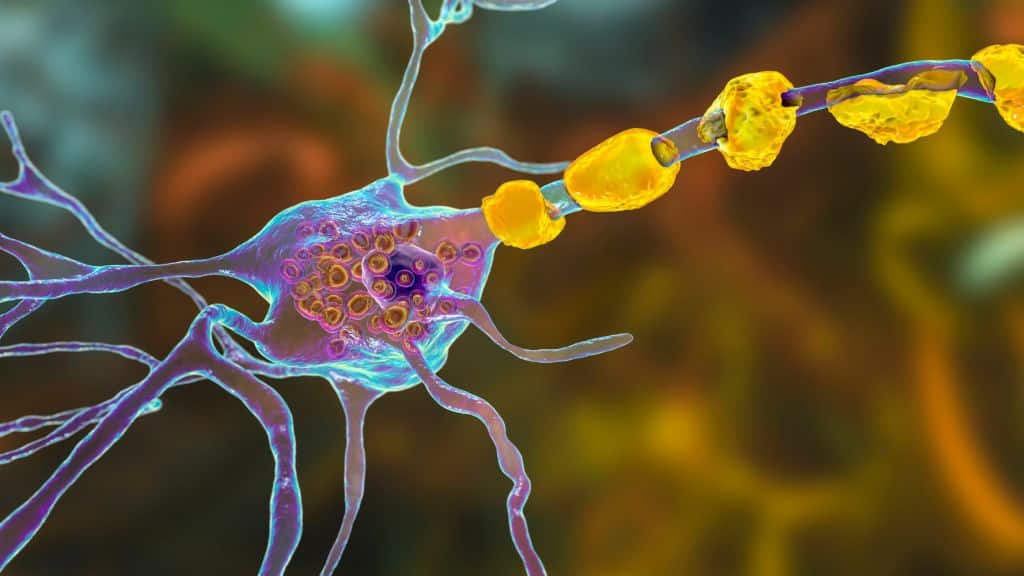
Pick’s Disease is caused by abnormal accumulation of tau protein inside brain cells, forming Pick bodies. This disrupts normal brain function and leads to brain cell death in affected regions. The exact cause of tau protein abnormalities is unknown, and the disease is usually sporadic but can sometimes run in families.
Who is affected by Pick’s Disease?
Pick’s Disease typically affects adults between 40 and 70 years of age. It is less common than Alzheimer’s disease and other dementias. Both men and women can develop Pick’s Disease.
What are the symptoms of Pick’s Disease?
Symptoms often begin gradually and worsen over time, including:
- Significant changes in personality and behavior (e.g., apathy, social withdrawal, impulsivity)
- Loss of inhibition and inappropriate social behavior
- Language difficulties such as trouble speaking or understanding speech (progressive aphasia)
- Problems with planning, organizing, and problem-solving
- Memory may be less affected in early stages compared to Alzheimer’s
- Movement problems in later stages, such as stiffness or tremors
How is Pick’s Disease diagnosed?
Diagnosis is based on:
- Detailed medical history and symptom assessment
- Neurological and neuropsychological exams
- Brain imaging (MRI or CT) showing atrophy in frontal and temporal lobes
- Sometimes PET scans or other tests to rule out Alzheimer’s and other dementias
- Definitive diagnosis can only be made by brain tissue examination after death
What treatment options are available for Pick’s Disease?
There is no cure for Pick’s Disease. Treatment focuses on managing symptoms and improving quality of life:
- Medications to manage behavioral symptoms (antidepressants, antipsychotics, mood stabilizers)
- Speech therapy to help with language difficulties
- Occupational and physical therapy for mobility and daily activities
- Supportive care and counseling for patients and caregivers

What is the prognosis for Pick’s Disease?
Pick’s Disease is progressive and ultimately fatal, with an average survival of 6 to 8 years after diagnosis. The rate of progression varies between individuals.
Can Pick’s Disease affect daily life?
Yes. As the disease progresses, individuals lose the ability to care for themselves, communicate effectively, and interact socially. Support from family, caregivers, and healthcare professionals is essential.
Where can someone find support or more information?
Support and resources are available through organizations focused on dementia and frontotemporal disorders, such as:
- The Association for Frontotemporal Degeneration (AFTD)
- Alzheimer’s Association
- Local support groups for dementia caregivers