What is Juvenile-Onset Bipolar Disorder?
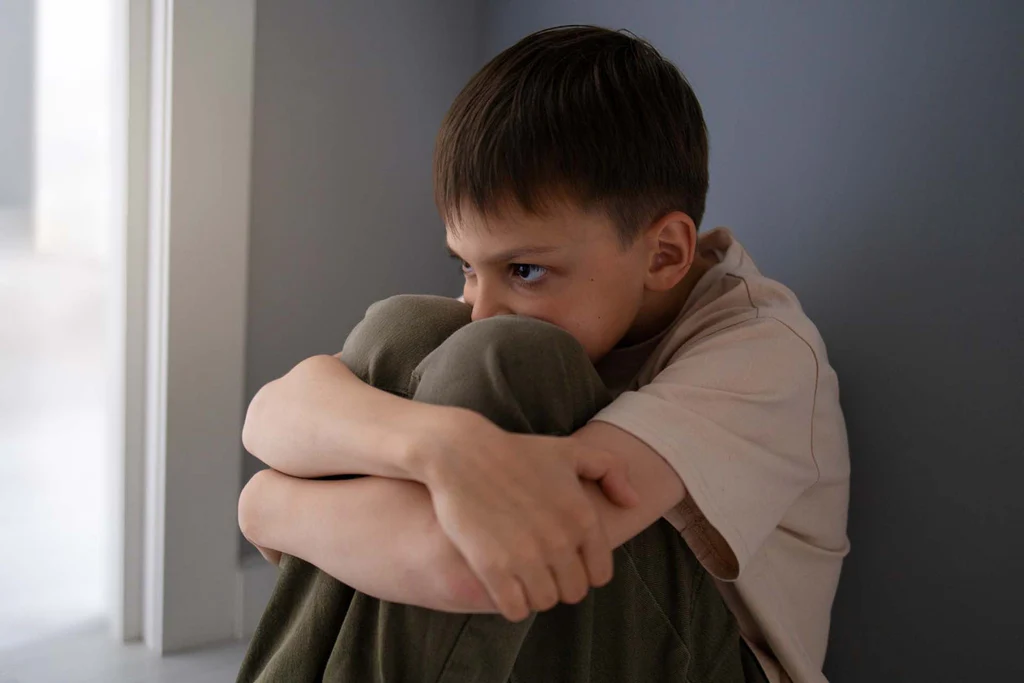
Juvenile-Onset Bipolar Disorder is a mental health condition that affects children and adolescents, characterized by extreme mood swings that include emotional highs (mania or hypomania) and lows (depression). Unlike adult-onset bipolar disorder, juvenile-onset can be more severe and is often harder to diagnose due to overlapping symptoms with other behavioral conditions.
This condition is also known as early-onset bipolar disorder and typically begins before age 18.
What causes it?
The exact cause is not fully understood, but it’s believed to involve a mix of:
- Genetic factors – A family history of bipolar disorder increases the risk
- Brain structure and function – Differences in brain activity and chemistry may play a role
- Environmental factors – Trauma, abuse, stress, and substance use can trigger or worsen symptoms
What are the symptoms?
Symptoms in children and teens can differ from those in adults and may appear more rapid and intense. Key signs include:
Manic or hypomanic episodes:
- Unusually elevated or irritable mood
- Increased energy or activity
- Decreased need for sleep
- Rapid speech or racing thoughts
- Impulsivity, risk-taking behavior
- Inflated self-esteem or grandiosity
Depressive episodes:
- Persistent sadness or irritability
- Loss of interest in activities
- Fatigue or low energy
- Feelings of worthlessness or guilt
- Changes in appetite or sleep
- Thoughts of death or suicide
Children may also have mood instability, frequent temper outbursts, or a mix of manic and depressive symptoms (known as mixed episodes).
How is it diagnosed?
Diagnosing bipolar disorder in children is complex and often requires specialized mental health evaluation. The process includes:
- Detailed interviews with the child, parents, and sometimes teachers
- Reviewing behavior patterns and family history
- Ruling out other conditions, such as ADHD, depression, anxiety, or conduct disorders
A proper diagnosis may take time and often involves tracking symptoms over weeks or months.
How is it treated?
There is no cure, but treatment aims to stabilize mood, manage symptoms, and improve quality of life. It often includes:
- Mood-stabilizing medications, such as lithium or anticonvulsants
- Atypical antipsychotic medications for severe mood episodes
- Psychotherapy – Especially cognitive behavioral therapy (CBT) and family therapy
- Education and support – For both the patient and family
- Lifestyle management – Regular routines, sleep hygiene, and stress reduction
Close monitoring is crucial, especially when medications are involved.
What is the prognosis?
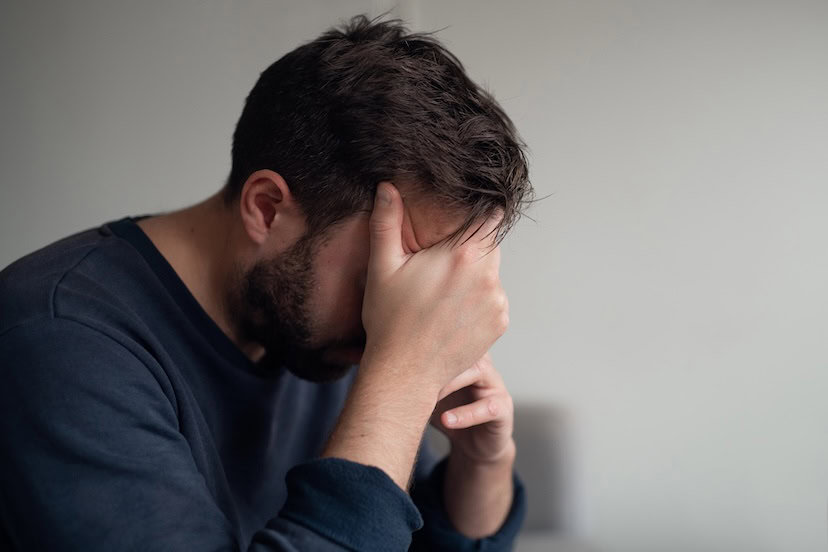
With early diagnosis and consistent treatment, many children with juvenile-onset bipolar disorder can lead productive and fulfilling lives. However, without proper care, it can lead to:
- Academic struggles
- Social problems
- Risk of substance abuse
- Self-harm or suicidal behavior
Ongoing treatment and strong support systems greatly improve long-term outcomes.
When should I see a doctor?
Consult a healthcare provider if a child or teen shows:
- Intense mood swings not typical for their age
- Unusual behaviors, such as aggression, impulsivity, or risky decisions
- Frequent sadness or anxiety
- Drastic changes in sleep, energy, or behavior
- Talk of suicide or self-harm
Early intervention can make a significant difference in managing the condition and protecting the child’s mental health.