


What Is Exudative Diarrhea?
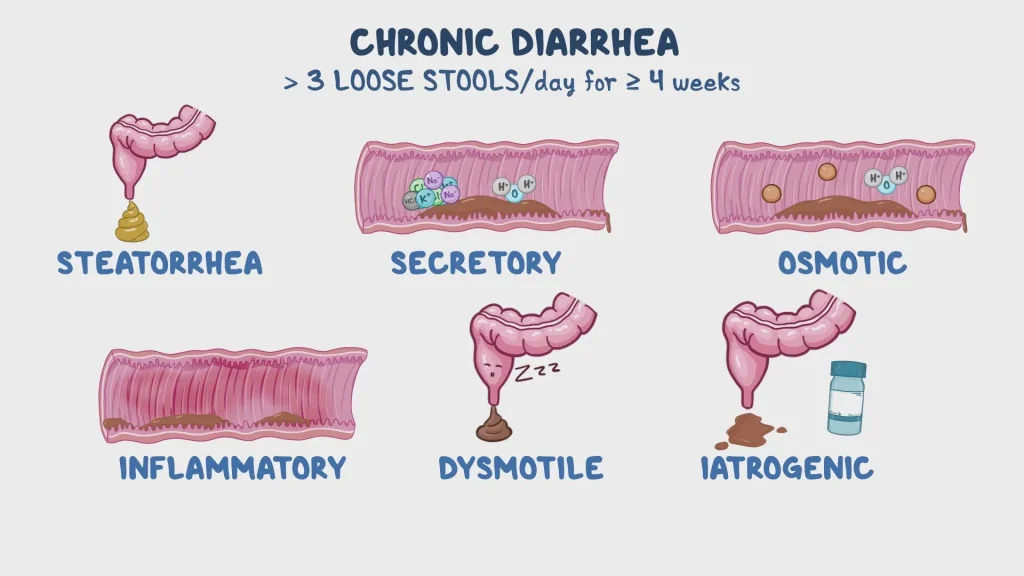
Exudative diarrhea refers to diarrhea in which there is the presence of mucus, blood, or pus in the stool. This type of diarrhea is often associated with inflammation or infection in the intestines. It typically occurs when the lining of the intestines is damaged, causing leakage of fluids, proteins, and blood into the digestive tract. Exudative diarrhea is often a sign of an underlying condition, such as an infection or inflammatory bowel disease.

What Causes Exudative Diarrhea?
Exudative diarrhea can be caused by various conditions that affect the intestines and lead to inflammation or tissue damage. Common causes include:
- Infections – Bacterial, viral, or parasitic infections can cause inflammation of the intestinal lining, resulting in the leakage of fluids and blood. Pathogens like Salmonella, Shigella, and Clostridium difficile are common culprits.
- Inflammatory bowel diseases (IBD) – Conditions like Crohn’s disease and ulcerative colitis cause chronic inflammation of the intestines, leading to exudative diarrhea. These diseases can also result in ulcers and bleeding in the digestive tract.
- Colorectal cancer – In some cases, tumors in the colon or rectum may cause bleeding and mucus secretion, leading to exudative diarrhea.
- Ischemic colitis – Reduced blood flow to the colon can cause inflammation and tissue damage, resulting in the leakage of blood and fluid into the intestines.
- Radiation therapy – Radiation treatment for certain cancers can lead to damage to the intestines, causing exudative diarrhea as a side effect.
- Food allergies or intolerances – Some individuals may develop exudative diarrhea as a result of food allergies or intolerances, particularly to foods like dairy, gluten, or certain fruits and vegetables.
What Are the Symptoms of Exudative Diarrhea?
The main symptom of exudative diarrhea is the presence of mucus, blood, or pus in the stool, in addition to the usual symptoms of diarrhea. Other symptoms may include:
- Frequent, loose stools – Often, the diarrhea is more frequent and watery than typical diarrhea.
- Blood in the stool – The stool may appear red or dark, indicating the presence of blood.
- Mucus in the stool – The stool may appear slimy or contain visible mucus.
- Abdominal pain or cramping – Inflammation or infection in the intestines can cause discomfort or pain.
- Fever – In cases of infection or inflammation, a fever may be present.
- Weight loss – Chronic diarrhea or ongoing inflammation may lead to unintended weight loss due to malabsorption of nutrients.
- Fatigue – The body’s immune response and fluid loss from diarrhea can cause fatigue and weakness.
How Is Exudative Diarrhea Diagnosed?
Diagnosing exudative diarrhea typically involves a combination of medical history review, physical examination, and diagnostic tests. Common diagnostic steps include:
- Stool tests – A stool sample may be analyzed for the presence of blood, mucus, or pathogens (such as bacteria, viruses, or parasites).
- Blood tests – Blood tests can help assess for signs of infection, inflammation, or anemia (which may result from blood loss).
- Colonoscopy – A colonoscopy allows doctors to directly examine the colon and rectum for signs of inflammation, ulcers, or tumors that may be causing the diarrhea.
- Imaging tests – X-rays or CT scans of the abdomen may be used to assess for structural abnormalities or signs of ischemic colitis.
- Biopsy – In some cases, a biopsy of the intestinal tissue may be performed to examine for conditions like inflammatory bowel disease or cancer.
What Are the Treatment Options for Exudative Diarrhea?
Treatment for exudative diarrhea depends on the underlying cause. Common treatment approaches include:
- Antibiotics – If the diarrhea is caused by a bacterial infection, antibiotics may be prescribed to target the specific bacteria.
- Anti-inflammatory medications – For conditions like Crohn’s disease or ulcerative colitis, anti-inflammatory drugs such as corticosteroids or immune-suppressing medications may help reduce inflammation in the intestines.
- Dietary changes – In some cases, adjusting the diet may help manage symptoms. This might include eliminating foods that trigger symptoms or following a low-residue diet to reduce irritation in the intestines.
- Fluid and electrolyte replacement – Diarrhea can cause dehydration, so it’s essential to replace lost fluids and electrolytes. Oral rehydration solutions or intravenous fluids may be needed.
- Surgery – In severe cases, such as those involving colorectal cancer or extensive damage from inflammatory bowel disease, surgical intervention may be necessary to remove affected tissue or tumors.
- Probiotics – In some cases, probiotics may be recommended to help restore the balance of gut bacteria and improve digestive health.
Can Exudative Diarrhea Be Prevented?
Prevention of exudative diarrhea largely depends on the underlying cause. However, general preventive measures include:
- Good hygiene practices – Washing hands regularly, especially before eating or preparing food, can help prevent infections caused by bacteria, viruses, and parasites.
- Food safety – Avoiding contaminated food and water can reduce the risk of foodborne infections that can lead to diarrhea.
- Managing chronic conditions – Proper management of conditions like inflammatory bowel disease or ischemic colitis can help reduce the risk of exudative diarrhea. This includes following prescribed treatments, avoiding known triggers, and attending regular check-ups.
- Avoiding certain medications – If you’re aware of medication side effects that may contribute to diarrhea, consult your doctor about alternatives or adjustments.
What Is the Prognosis for Exudative Diarrhea?
The prognosis for exudative diarrhea depends on the underlying cause and the timeliness of treatment. If the diarrhea is caused by a bacterial infection, it often resolves with appropriate antibiotics. However, conditions like inflammatory bowel disease or colorectal cancer may require ongoing treatment and management. Early diagnosis and intervention can help reduce complications and improve outcomes.
What Support Is Available for People with Exudative Diarrhea?
For individuals dealing with exudative diarrhea, support resources may include:
- Patient education – Learning more about the underlying condition can help individuals better manage their symptoms and make informed decisions about treatment options.
- Support groups – Connecting with others who have similar health conditions, such as inflammatory bowel disease, can provide emotional support and practical tips.
- Dietitians and nutritionists – Working with a nutritionist can help individuals make dietary changes that reduce symptoms and support digestive health.
- Healthcare professionals – Ongoing care and monitoring from doctors, gastroenterologists, and other specialists can help manage chronic conditions and prevent complications.
