


What is Sotos Syndrome?
Sotos Syndrome is a rare genetic disorder characterized by excessive physical growth during childhood, distinctive facial features, and developmental delays. Children with this condition often grow taller and larger than their peers and may have learning difficulties and behavioral challenges.
The syndrome is also known as cerebral gigantism.
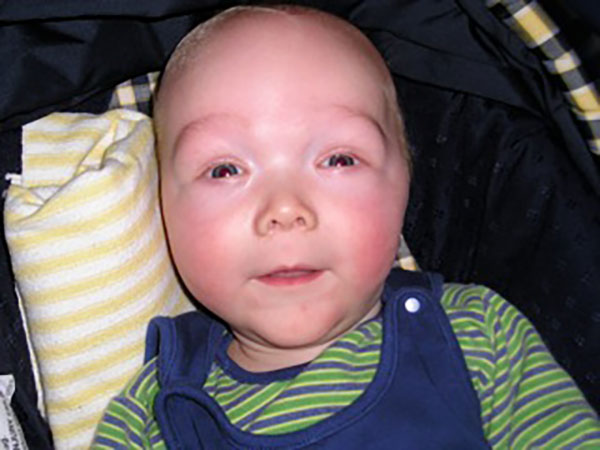
What Are the Symptoms of Sotos Syndrome?
Symptoms can vary widely but commonly include:
- Rapid growth in height and head size during the first few years of life
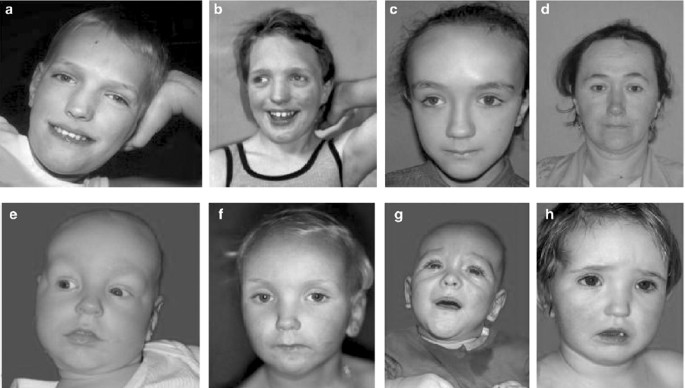
- Distinctive facial features such as a long face, high forehead, flushed cheeks, and a pointed chin
- Developmental delays including delayed speech and motor skills
- Learning disabilities or intellectual disability
- Poor coordination and muscle tone (hypotonia)
- Behavioral problems such as ADHD, anxiety, or autism spectrum traits
- Seizures (in some cases)
What Causes Sotos Syndrome?
Sotos Syndrome is caused by mutations in the NSD1 gene, which plays a role in regulating growth and development. Most cases occur sporadically due to new mutations, but it can rarely be inherited in an autosomal dominant pattern.
How is Sotos Syndrome Diagnosed?
Diagnosis is based on:
- Clinical evaluation of growth patterns and physical features
- Developmental assessment
- Genetic testing to identify mutations in the NSD1 gene
- Imaging studies such as brain MRI may be done to assess brain structure
How is Sotos Syndrome Treated?
There is no cure for Sotos Syndrome, but treatment focuses on managing symptoms and supporting development.
Treatment Approaches Include:
- Early intervention programs for developmental delays
- Speech, occupational, and physical therapy
- Educational support tailored to learning needs
- Behavioral therapy for emotional and social challenges
- Seizure management if needed with medications
- Regular monitoring by a multidisciplinary healthcare team
What Are the Complications of Sotos Syndrome?
Potential complications include:
- Intellectual disability or learning difficulties
- Behavioral issues impacting social functioning
- Seizures or neurological problems
- Risk of certain rare tumors (increased risk compared to general population)
- Orthopedic problems due to rapid growth
Living with Sotos Syndrome
Children and adults with Sotos Syndrome benefit from ongoing support, therapies, and educational accommodations. With appropriate care, many can lead fulfilling lives, although some may require lifelong assistance.
