What are feeding tubes?
Feeding tubes are medical devices used to deliver nutrition, fluids, and medications directly into the stomach or small intestine when a person cannot eat or swallow normally. They may be temporary or long-term and are essential for people with conditions like stroke, neurological disorders, cancer, or severe digestive issues.
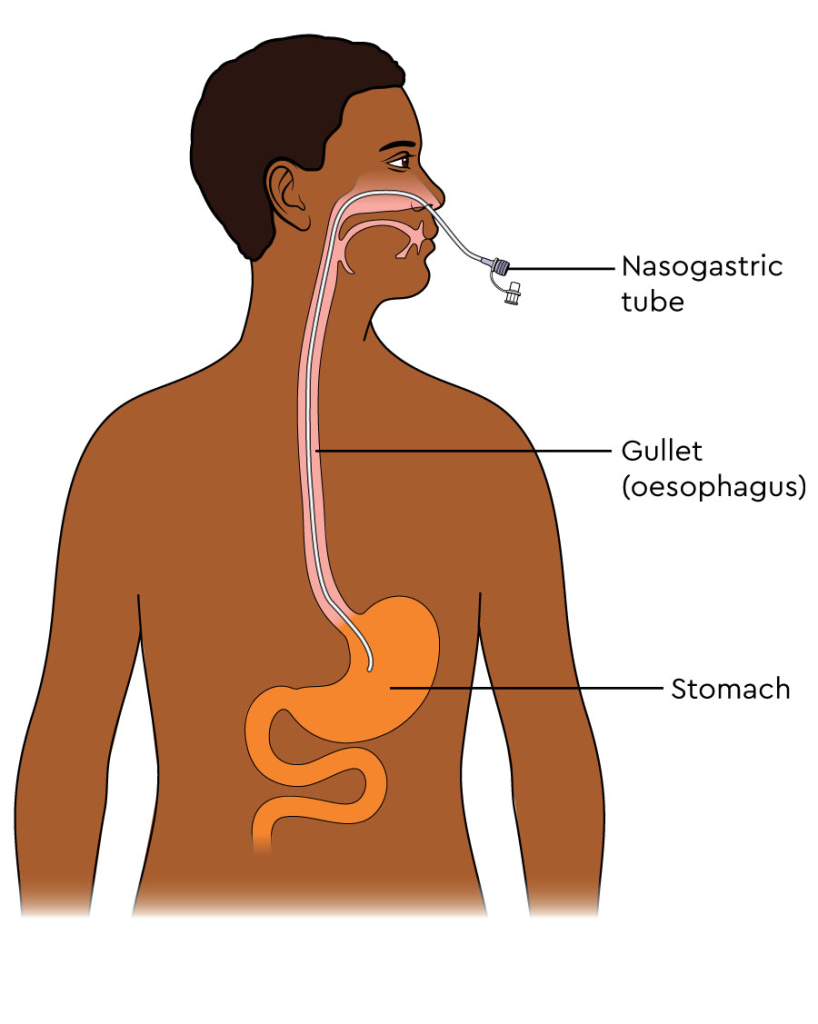
What are the different types of feeding tubes?
Common types include:
- Nasogastric (NG) tube – Inserted through the nose into the stomach (short-term use)
- Nasojejunal (NJ) tube – Goes through the nose into the small intestine
- Gastrostomy (G-tube) – Surgically placed directly into the stomach through the abdominal wall
- Jejunostomy (J-tube) – Placed into the small intestine for those with stomach issues
- PEG tube (Percutaneous Endoscopic Gastrostomy) – A type of G-tube placed using an endoscope
What are common feeding tube issues?
Despite their benefits, feeding tubes can have complications such as:
- Tube blockage – Caused by thick formula, medication buildup, or inadequate flushing
- Tube dislodgment or migration – The tube moves out of position
- Skin irritation or infection – Around the insertion site
- Leakage – Formula or stomach contents leaking around the site
- Granulation tissue – Overgrowth of healing tissue around the stoma
- Nausea, vomiting, or diarrhea – Often due to the type or rate of feeding
- Aspiration – Formula entering the lungs if feeding isn’t properly managed
What causes these problems?
Feeding tube issues can result from:
- Improper care or cleaning
- Incorrect tube placement or movement
- Formula that’s too thick or fast-flowing
- Poor skin hygiene around the tube site
- Inadequate flushing before and after feeding or medications
What are the symptoms of feeding tube complications?
Watch for:
- Redness, swelling, or discharge at the tube site
- Unusual pain or tenderness
- Tube not staying in place or falling out
- Feeding formula not flowing or backing up
- Nausea, bloating, or vomiting during feedings
- Fever or signs of infection
- Difficulty flushing or administering feeds
How are feeding tube issues treated?
Treatment depends on the problem:
- Blocked tube: Try flushing with warm water; if unsuccessful, consult a healthcare provider
- Dislodged tube: Do not use it—seek medical assistance for repositioning
- Infections or irritation: Clean the site regularly, use prescribed ointments or antibiotics if needed
- Granulation tissue: May require topical treatment or cauterization
- Digestive issues: Adjust formula type, temperature, or feeding rate

How can feeding tube problems be prevented?
- Flush the tube with warm water before and after feedings or medications
- Use proper technique when administering feeds
- Keep the insertion site clean and dry
- Check tube placement regularly if applicable
- Secure the tube to prevent accidental pulling
- Follow feeding schedules and formulas as advised by a healthcare provider
- Educate caregivers and patients on routine care and red flags
When should you contact a doctor?
Call your healthcare provider if:
- The tube falls out or seems out of place
- You notice signs of infection (fever, redness, pus)
- There’s persistent pain, vomiting, or diarrhea
- You’re unable to flush or feed through the tube
- There’s significant skin breakdown or bleeding