


What is Seborrheic Dermatitis?
Seborrheic dermatitis is a common, chronic skin condition that causes red, scaly, itchy patches, primarily in areas rich in oil glands such as the scalp, face, and upper chest. It is thought to result from an inflammatory reaction to a yeast called Malassezia that lives on the skin, combined with an overproduction of skin oil (sebum).
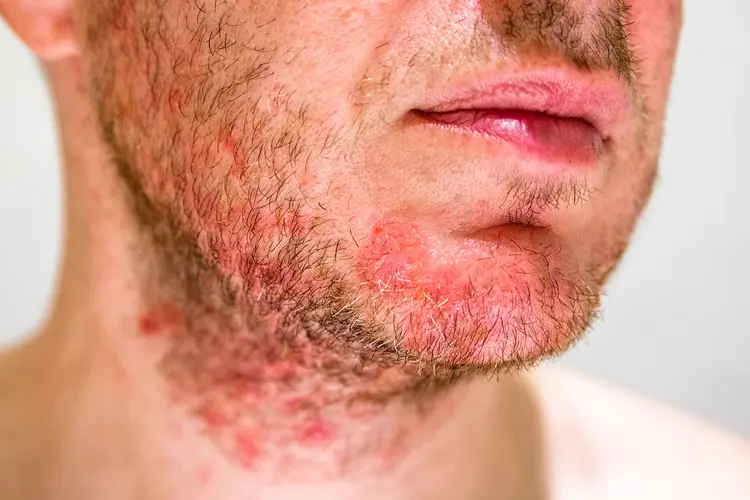
What Are the Symptoms of Seborrheic Dermatitis?
Symptoms can vary from mild dandruff to more severe inflammation.
Common Symptoms
- Red, inflamed skin.
- Greasy or oily patches covered with white or yellowish scales.
- Itching or burning sensation.
- Flaky scalp (dandruff).
- Crusting or scaling around the eyebrows, sides of the nose, ears, and chest.
What Causes Seborrheic Dermatitis?
The exact cause is unknown but several factors contribute:
Common Causes and Triggers
- Overgrowth of Malassezia yeast on the skin.
- Excess oil production.
- Genetic predisposition.
- Stress and fatigue.
- Cold and dry weather.
- Certain medical conditions (e.g., Parkinson’s disease, HIV).
- Use of harsh soaps or skincare products.
How is Seborrheic Dermatitis Diagnosed?
Diagnosis is generally made by a healthcare provider based on the appearance of the skin.
Common Diagnostic Methods
- Physical examination of affected areas.
- Medical history review.
- Sometimes skin scraping to rule out other conditions.
How is Seborrheic Dermatitis Treated?
Treatment focuses on controlling symptoms and reducing inflammation.
First-Line Treatments
- Medicated shampoos containing ketoconazole, selenium sulfide, or zinc pyrithione for scalp involvement.
- Topical antifungal creams or lotions.
- Low-potency corticosteroid creams to reduce inflammation.
- Topical calcineurin inhibitors as alternatives for sensitive skin areas.
Additional Steps
- Gentle skin cleansing.
- Avoidance of harsh soaps and skincare products.
- Regular washing of affected areas.
- Managing stress.
What Are the Complications of Seborrheic Dermatitis?
Possible complications include:
- Secondary bacterial or fungal infections due to scratching.
- Persistent or recurrent symptoms.
- Emotional distress or self-consciousness from visible skin changes.

How Can Seborrheic Dermatitis Be Prevented?
While it may not be completely preventable, flare-ups can be minimized by:
Tips to Prevent Seborrheic Dermatitis
- Using medicated shampoos regularly if prone to dandruff.
- Keeping skin clean and moisturized.
- Avoiding triggers such as stress and harsh skin products.
- Managing underlying health conditions.
How Long Does It Take to Recover from Seborrheic Dermatitis?
Seborrheic dermatitis is often a chronic condition with periods of flare-ups and remission. With proper treatment, symptoms usually improve within a few weeks but may require ongoing care to prevent recurrence.
