


What Is Q Fever?
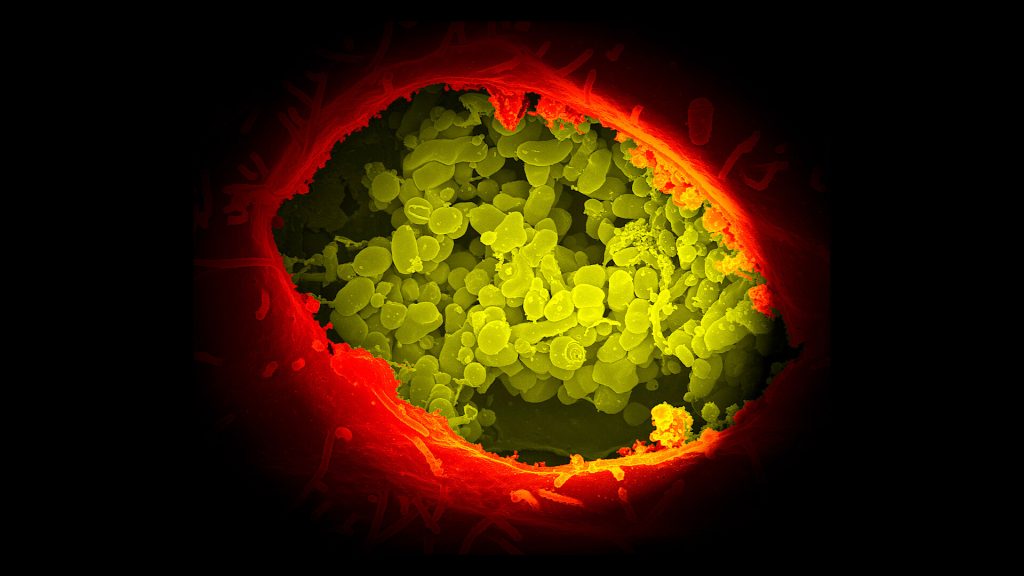
Q Fever is a bacterial infection caused by Coxiella burnetii. It is primarily a zoonotic disease, meaning it is transmitted from animals to humans. The bacteria are commonly found in livestock such as cattle, sheep, and goats, as well as in other animals like cats, dogs, and birds. Humans typically contract Q Fever by inhaling contaminated dust or aerosols from animal birth products (placenta, amniotic fluid), urine, feces, or milk.
What Causes Q Fever?
Q Fever is caused by the bacterium Coxiella burnetii, which can be transmitted to humans through:
- Inhalation of contaminated dust or aerosols from infected animals.
- Direct contact with contaminated animal products.
- Consumption of unpasteurized dairy products.
- Rarely, through tick bites or human-to-human transmission.
What Are the Symptoms of Q Fever?
Symptoms usually appear 2–3 weeks after exposure and can range from mild to severe.
Acute Q Fever Symptoms:
- High fever (up to 104–105°F or 40–41°C)
- Severe headache
- Chills and sweats
- Muscle and joint pain
- Fatigue
- Dry cough
- Nausea, vomiting, diarrhea
- Chest or abdominal pain
- Weight loss
- Hepatitis (liver inflammation) or pneumonia
Chronic Q Fever:
Occurs in less than 5% of cases and may develop months or years after the initial infection. It can lead to:
- Endocarditis (infection of the heart valves)
- Osteomyelitis (bone infection)
- Vascular infections
- Chronic fatigue syndrome
How Is Q Fever Diagnosed?
Diagnosis is based on clinical symptoms and confirmed through laboratory tests:
- Serology: Indirect immunofluorescence assay (IFA) is the reference method to detect antibodies against C. burnetii.
- Polymerase Chain Reaction (PCR): Detects bacterial DNA in blood or tissue samples, especially useful in the early stages.
- Blood Tests: To assess liver function and complete blood count.
- Imaging: Chest X-rays to detect pneumonia.
How Is Q Fever Treated?
Acute Q Fever:
- Doxycycline: 100 mg every 12 hours for 14 days is the first-line treatment.
Chronic Q Fever:
- Combination Therapy: Doxycycline (100 mg every 12 hours) plus hydroxychloroquine (200 mg every 8 hours) for at least 18 months.
Special Populations:
- Pregnant Women: Trimethoprim-sulfamethoxazole (160 mg/800 mg) every 12 hours throughout pregnancy, but not beyond 32 weeks gestation.
- Children Under 8 Years: Doxycycline is used cautiously; alternative antibiotics may be considered based on severity.
What Is the Prognosis for Q Fever?
The prognosis varies depending on the form of Q Fever:
- Acute Q Fever: Most people recover fully with appropriate antibiotic treatment.
- Chronic Q Fever: Requires prolonged treatment and can lead to serious complications if not managed properly.
When Should I See a Doctor?
Consult a healthcare provider if you:
- Experience symptoms consistent with Q Fever, especially after exposure to livestock.
- Are pregnant and have been in contact with farm animals.
- Have a weakened immune system or pre-existing heart conditions and develop flu-like symptoms.
How Can I Live with Q Fever?
- Adhere to treatment plans and follow-up appointments.
- Avoid activities that increase the risk of injury or bleeding.
- Monitor for new or worsening symptoms.
- Maintain a healthy lifestyle to support overall well-being.
