


What is Temporal Bone Fracture?
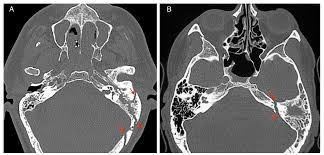
A temporal bone fracture is a break in the temporal bone, located at the side and base of the skull, which houses structures important for hearing and balance.
What Causes Temporal Bone Fracture?
Common causes include:
- Head trauma from accidents, falls, or assaults
- Sports injuries or severe blunt force impacts
- Penetrating injuries to the skull

What are the Symptoms of Temporal Bone Fracture?
Symptoms may include:
- Ear bleeding or discharge (possibly with cerebrospinal fluid)
- Hearing loss or ringing in the ears (tinnitus)
- Dizziness or balance problems
- Facial weakness or paralysis if the facial nerve is affected
- Headache and swelling around the injury site
How is Temporal Bone Fracture Diagnosed?
Diagnosis involves:
- Physical examination focusing on neurological and ear-related signs
- CT scan of the head to detect the fracture and assess damage
- Hearing tests to evaluate auditory function
How is Temporal Bone Fracture Treated?
Treatment depends on the fracture type and complications:
For Minor Fractures:
- Observation and rest
- Pain relief medications
- Monitoring for signs of infection or hearing changes
For Severe Fractures or Complications:
- Antibiotics if there is a risk of infection or cerebrospinal fluid leak
- Surgery to repair damaged bone or nerves if necessary
- Physical therapy for facial nerve recovery
What is the Prognosis for Temporal Bone Fracture?
Recovery varies; some regain full function while others may have permanent hearing loss or facial nerve damage. Early treatment improves outcomes.
Can Temporal Bone Fracture Be Prevented?
Preventive measures include:
- Wearing helmets during high-risk activities
- Using seat belts and safety equipment in vehicles
- Avoiding risky behaviors that increase head injury risk
When Should You See a Doctor?
Seek immediate medical attention if you experience:
- Head trauma with ear bleeding or fluid leakage
- Hearing loss or severe dizziness after head injury
- Facial weakness or paralysis
Prompt evaluation is crucial to prevent complications.
4.1-mini